


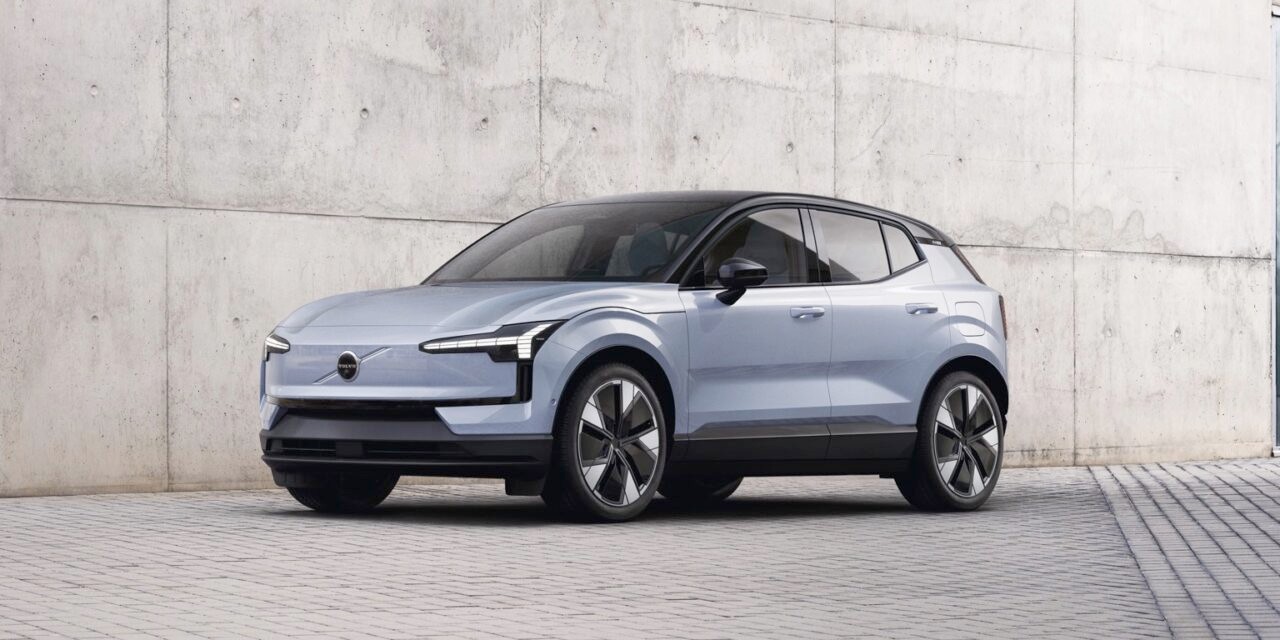
Volvo Car Group has issued a worldwide recall affecting over 33,000 EX30 vehicles due to potential fire risks linked to high-voltage batteries supplied by Chinese manufacturer Sunwoda Electronic. This action follows a major lawsuit filed by Geely Holding Group subsidiary Viridi E-Mobility Technology against Sunwoda, demanding $323 million in damages over alleged battery defects.
The Recall Details
The recall impacts 10,440 EX30s in the UK and extends to markets including the US, Australia, and South Africa. Owners are being advised to limit charging to 70% capacity to mitigate the risk of thermal runaway, where batteries overheat and potentially ignite. This temporary measure significantly reduces the vehicles’ effective range, impacting customers who purchased them expecting full functionality.
The urgency of the recall was underscored by a November 2025 incident in Maceió, Brazil, where a Volvo EX30 caught fire at a dealership, requiring extensive firefighting efforts to contain the blaze. South Africa has already initiated a recall of 372 EX30 vehicles, spanning model years 2024-2026.
Geely’s Lawsuit and Prior Issues
The lawsuit filed on December 26, 2025, alleges that Sunwoda supplied defective battery cells between June 2021 and December 2023. This legal action stems from documented quality issues that have previously impacted other Geely brands. For instance, Zeekr (also owned by Geely) faced customer complaints about reduced charging rates and inaccurate range estimations in its 001 WE86 model, which also used Sunwoda cells. The company responded with a costly “Winter Care Campaign” offering free battery inspections and replacements.
Broader Sales Context
Despite these challenges, Geely Holding Group reported record global sales in 2025, reaching 4,116,321 vehicles – a 26% year-over-year increase. New energy vehicles (NEVs) accounted for 56% of total sales, driving much of this growth. Volvo Car itself sold 710,042 vehicles in 2025, with NEVs making up 46% of its total sales.
The recall and lawsuit present a short-term setback for Volvo’s reputation for safety, but the broader trend shows Geely continuing to expand in the EV market.
Looking Ahead
The incident raises questions about supply chain oversight in the rapidly expanding EV industry, where reliance on a small number of battery suppliers creates systemic risk. The temporary charging restrictions and ongoing investigations will likely pressure Sunwoda to improve quality control. The situation highlights the critical need for robust testing and verification to prevent similar safety concerns from recurring.


