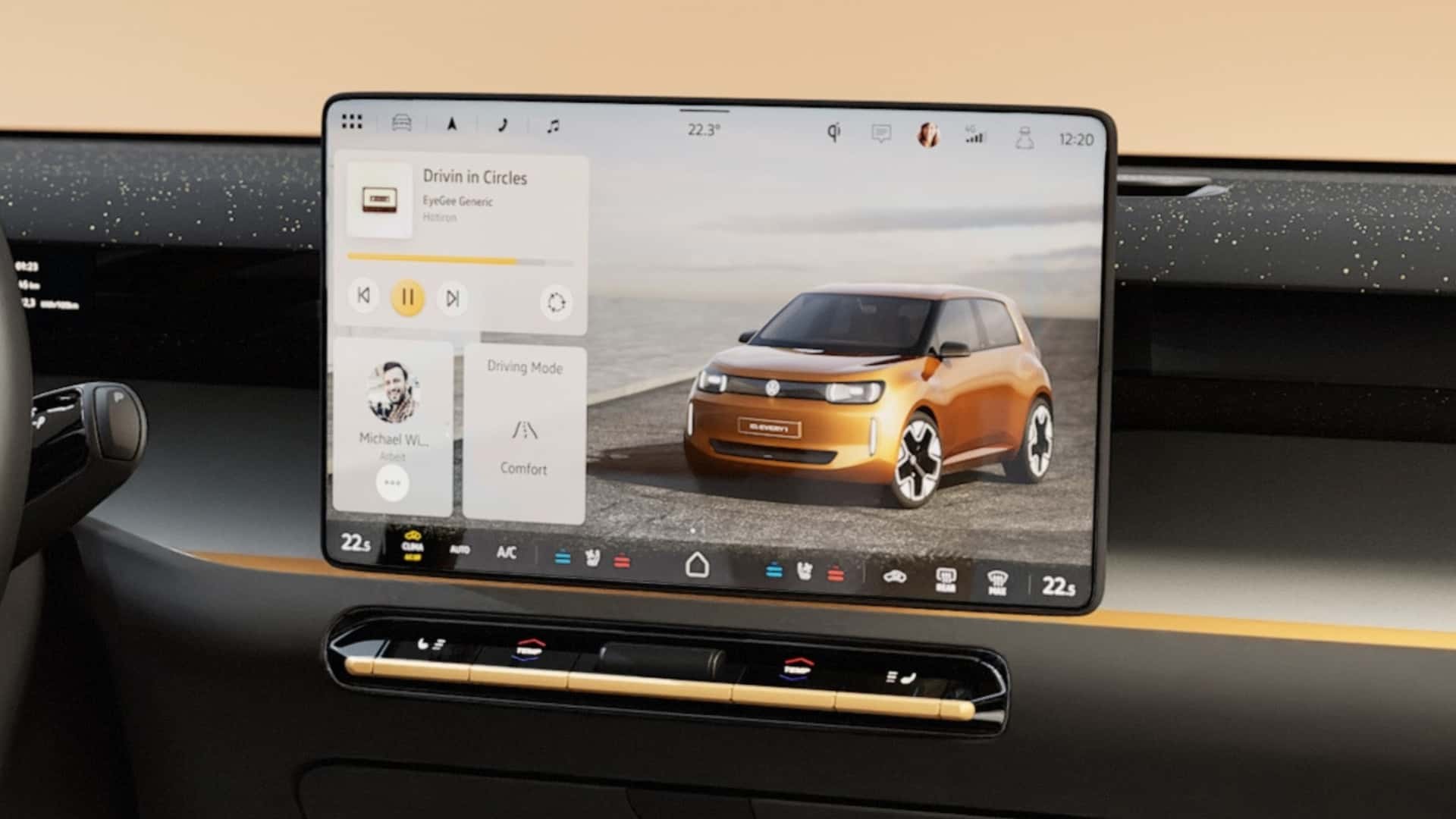
Automakers across the globe are quietly reversing course on the digital-first car interior trend, as Europe and China push for the reintroduction of physical buttons for essential functions. New safety guidelines from both regions prioritize driver ergonomics and safety over minimalist, touchscreen-heavy designs.
The Backlash Against Screen Overload
For years, the automotive industry has embraced touchscreens to cut manufacturing costs and appeal to tech-focused consumers. But this trend is backfiring. Studies show that drivers are increasingly frustrated with in-car touchscreens, which require excessive attention and slow reaction times. Safety experts warn that relying on digital interfaces increases distraction, particularly in critical situations.
Europe’s Stance: NCAP Safety Ratings
Europe’s Euro NCAP, the influential vehicle safety assessment program, will penalize vehicles relying exclusively on touchscreens for basic controls starting in January 2026. To earn a coveted five-star rating—a major marketing advantage—cars must now have physical buttons for turn signals, windshield wipers, hazard lights, the horn, and emergency calls.
The goal is straightforward: the more a driver has to dig through menus to perform basic functions, the longer their eyes are off the road. That increases the risk of accidents.
China’s Unexpected Shift
China, once a leader in screen-dominated interiors following Tesla’s model, is now proposing draft regulations requiring tactile controls for key safety features. The Ministry of Industry and Information Technology (MIIT) requires physical buttons with a minimum surface area of 10×10 millimeters for turn signals, hazard lights, gear selection, and emergency calling.
This reversal is striking given China’s aggressive adoption of digital interfaces. However, the government now recognizes that usability and safety must take precedence. The MIIT is also tightening standards for advanced driving systems, demanding human-level safety performance.
Automakers Respond
Major brands are already reacting. Volkswagen admitted that overreliance on touchscreens was “a mistake” and is reintroducing physical buttons in new EVs. Mercedes-Benz confirms that traditional buttons remain optimal for certain operations, while Hyundai is pursuing a hybrid approach. Even Tesla is reportedly considering bringing back turn-signal stalks.
The trend signifies a broader industry correction. After years of prioritizing aesthetics and cost savings, automakers are acknowledging the simple truth: for critical functions, physical buttons remain the safest and most intuitive solution.
The move by Europe and China underscores a crucial point: while digital innovation has its place, it should not compromise driver safety. The return of physical controls is not just a design change; it’s a recognition that technology must serve human needs, not the other way around.