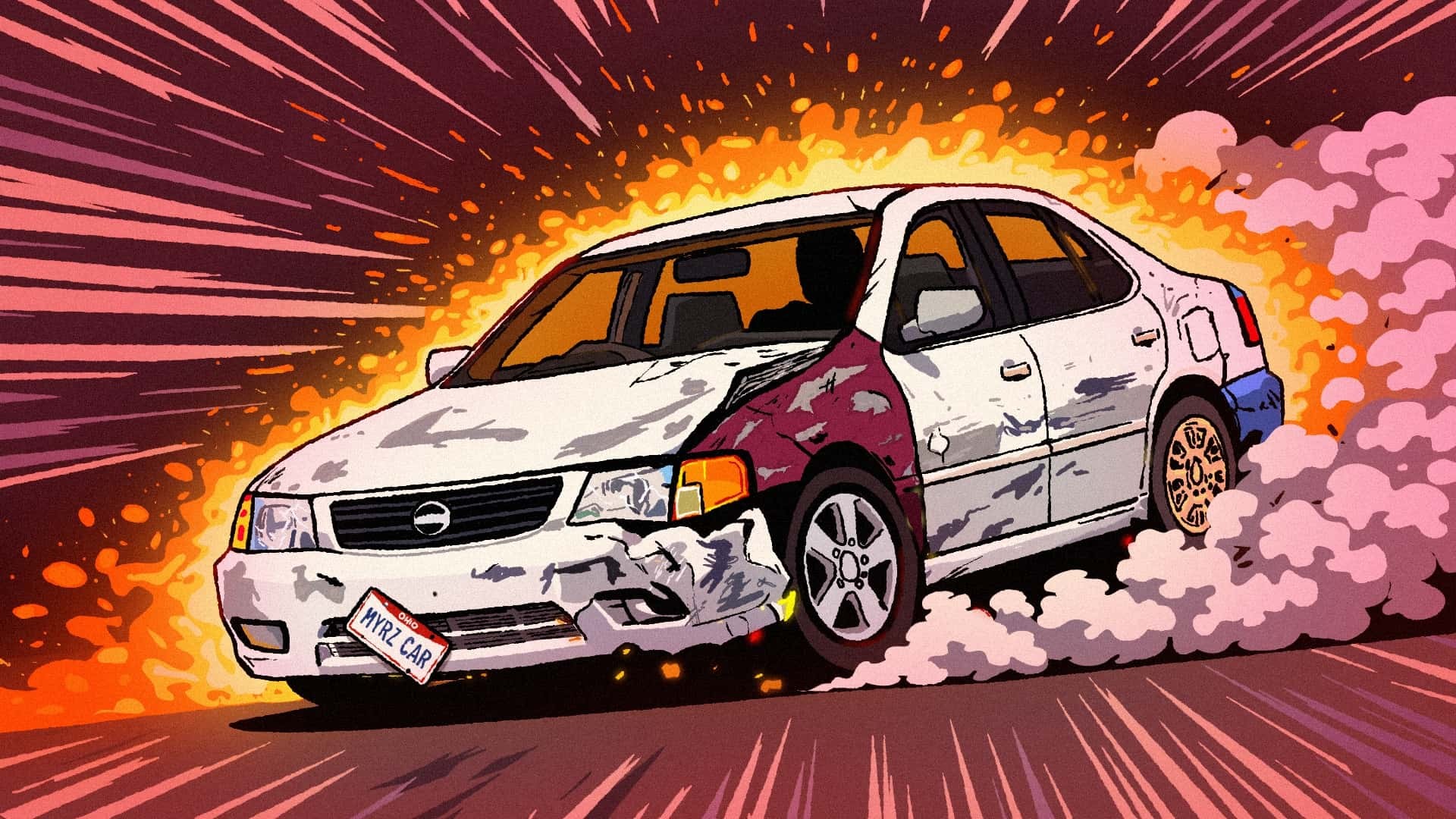
The Nissan Altima isn’t dying – it’s just… lingering. Despite the broader decline in sedan sales, Nissan’s mid-size offering stubbornly remains on the market. But its story is more than just survival; it’s a case study in how a once-respectable car became a punchline, a symbol of financial desperation, and an unlikely internet icon.
From Respectable Ride to Mockery
The Altima wasn’t always the butt of jokes. Introduced in 1992, it initially earned praise for its sporty handling and decent power. Early reviews noted its “powerful engine” and “sharp steering,” though it didn’t quite reach the performance level of its sibling, the Maxima. Still, sales were solid enough to justify subsequent generations.
The third-generation Altima (2002–2006) marked a turning point. Suddenly, it offered more space than rivals like the Toyota Camry and Honda Accord, even matching more expensive models. With available leather seats, a powerful V6 engine, and even a six-speed manual option, the Altima briefly enjoyed genuine enthusiast appeal, winning the North American Car of the Year award in 2002. For nearly two decades, it was Nissan’s best-selling car.
The Ghosn Era and Cost-Cutting
The Altima’s decline began with the arrival of Carlos Ghosn, whose aggressive cost-cutting measures reshaped Nissan. While Ghosn’s turnaround of Renault was successful, his tenure at Nissan saw mass layoffs, plant closures, and slashed R&D budgets. The fourth-generation Altima (2006) debuted with a cheaper continuously variable transmission (CVT) in place of a traditional automatic, marking a shift towards cost over quality.
This decision proved costly. The CVT became notorious for failures, leading to lawsuits and eroded consumer trust. Residual values plummeted, with three-year-old Altimas consistently trailing the Camry and Accord in resale value. Brand loyalty also suffered, dropping from 51% in 2015 to just 39.1% by 2025 – meaning fewer Altima owners were replacing their cars with another Nissan.
The Rise of Korean Competition & Subprime Lending
While Nissan disinvested in the Altima, competitors like Hyundai and Kia stepped up. The Koreans offered fresher designs and more features at competitive prices, stealing market share. To compensate, Nissan aggressively pursued subprime lending, partnering with companies like Santander to offer high-interest loans to buyers with poor credit.
This tactic worked in the short term, boosting sales but at a steep cost. A 2015 report exposed predatory lending practices, with dealerships pushing loans on unemployed customers at interest rates as high as 25%. These tactics led to repossessions, reputational damage, and ultimately, a decline in Nissan’s stock price.
“Big Altima Energy”: The Memeification
The Altima’s reputation spiraled into internet infamy. The car became synonymous with reckless driving, financial instability, and general chaos. Online communities like the “Big Altima Energy” Facebook group and the r/NissanDrivers subreddit celebrated the Altima’s decline, turning it into a meme. Images of beat-up Altimas with cracked windshields, expired tags, and visible damage became viral symbols of automotive despair.
The irony is that many Altimas on the road are simply old, with the average age now exceeding a decade. As people hold onto vehicles longer, these once-venerable sedans remain visible reminders of a bygone era.
The Future of the Altima
Altima sales peaked in 2014, then steadily declined to just 93,268 units last year. With no significant investment in the model, the Altima’s future is uncertain. Yet, for those who still drive one, it’s a reminder that sometimes, the best option is simply keeping what you have running – even if it means enduring the memes.
The Altima’s story isn’t just about a car; it’s about a brand that lost its way, a market that shifted, and the internet’s relentless ability to mock everything in between.