The future of high-performance vehicles is facing a critical challenge: weight. As automakers shift towards electrified powertrains, including plug-in hybrids (PHEVs) and fully electric models, the cars designed for speed and handling are getting heavier, threatening the core appeal of performance driving.
The Electrification Trade-Off
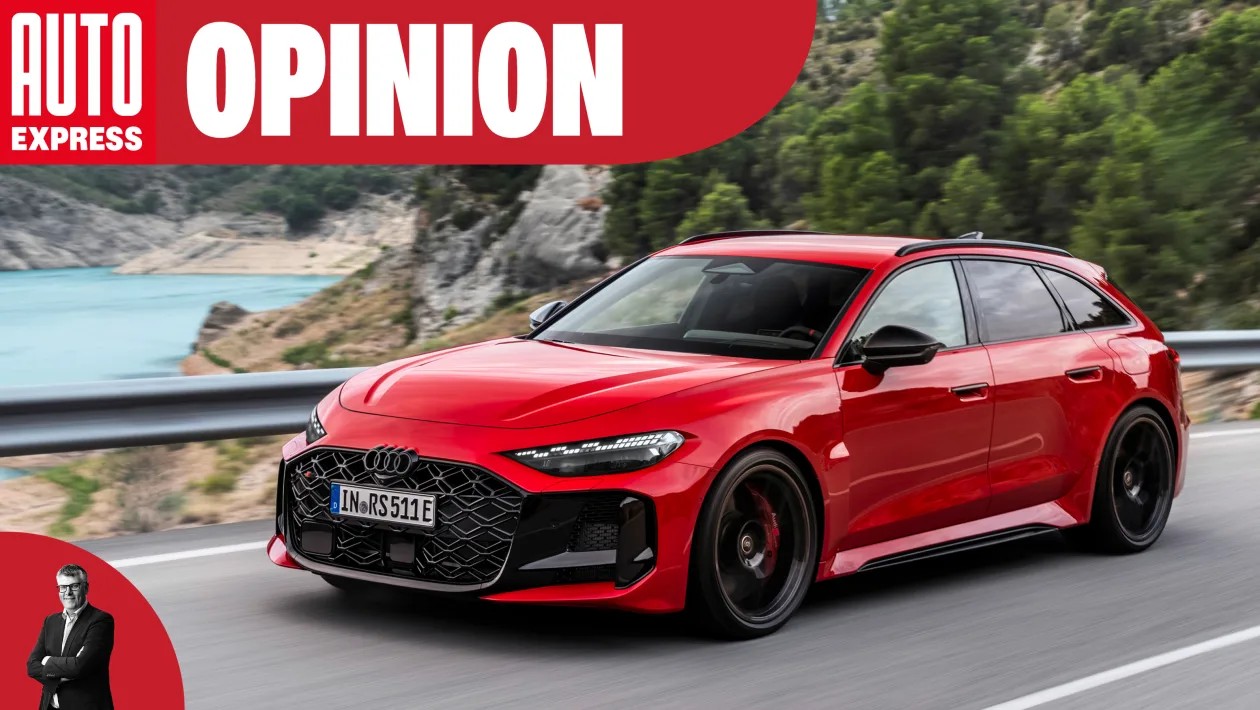
The move towards electrification is unavoidable. But it comes at a cost. The recent Audi RS 5, boasting 630 horsepower yet exceeding 2.3 tonnes, illustrates this dilemma. While the car delivers impressive figures—a 3.6-second 0-62mph sprint—its weight raises questions about how manufacturers will balance power with the driving experience. This isn’t an isolated case.
Mercedes-AMG’s failed attempt to push a four-cylinder PHEV C 63, which was poorly received, prompted a return to a six-cylinder mild-hybrid setup. Even BMW’s M5, despite its technological advancements, has suffered from added weight due to its PHEV system, slightly dulling the car’s aggressive character.
Why Weight Matters
Weight directly impacts handling, agility, and the raw feel of a performance car. Enthusiasts crave a direct connection to the road; additional mass diminishes this sensation. The issue is that batteries and electric motors are naturally heavier than traditional combustion engines. Manufacturers must innovate to mitigate this, as simply adding more power doesn’t fully compensate for the loss in responsiveness.
Electric Alternatives and the Future
Fully electric hot hatches show promise, with models like the Hyundai Ioniq 5 N, Alpine A290, and MINI JCW Electric demonstrating that electric vehicles can be fun. Yet, most driving enthusiasts still prefer gasoline engines for spirited road driving. PHEVs offer a middle ground, blending efficiency with performance, but controlling weight remains crucial.
The challenge is clear: manufacturers must master electrified powertrains without sacrificing the mechanical feel and engagement that defines a great performance car. If not, the cars intended for the most exhilarating driving experience risk becoming heavy, blunt instruments rather than finely tuned machines.
In conclusion: The weight gain in performance cars is a serious threat to the driving experience. Automakers must prioritize weight management as they embrace electrification, or risk losing the core appeal of these vehicles to enthusiasts.