The electric vehicle (EV) market has often struggled to make small cars feel special. Many compact EVs prioritize range and efficiency over driving dynamics, resulting in vehicles that are competent but forgettable. The Cupra Raval aims to shatter this perception. As Volkswagen Group’s newest brand pushes into the affordable segment, the Raval isn’t just another electric hatchback; it is a deliberate attempt to bring the “hot hatch” spirit to the entry-level EV market.
While our review focused on the high-performance VZ trim, the broader lineup promises to make this sporty character accessible to a wider audience, starting at under £30,000. Here is why the Raval matters, how it drives, and whether it justifies its place alongside rivals like the Renault 5 and Kia EV2.
A Strategic Move into the Affordable EV Segment
Cupra has rapidly established itself as Volkswagen Group’s youth-focused brand, currently outselling its sibling brand SEAT by a ratio of three to one. The Raval represents the next logical step in this trajectory: a five-door electric supermini designed to compete directly with the Renault 5, Kia EV2, Nissan Micra, and the upcoming VW ID. Polo.
The pricing strategy is aggressive. While our test car was the flagship VZ model, the range starts significantly lower:
* Entry-level models : Start at £23,785.
* Mid-tier trims (V1/V2) : Priced between £26,995 and £29,580.
* Flagship VZ : Priced at £34,995.
This structure suggests that Cupra is banking on volume sales from the base models, potentially aided by the UK government’s £1,500 plug-in car grant, for which the Raval is expected to qualify.
Design and Interior: Bold, Not Boring
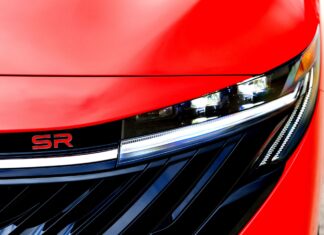
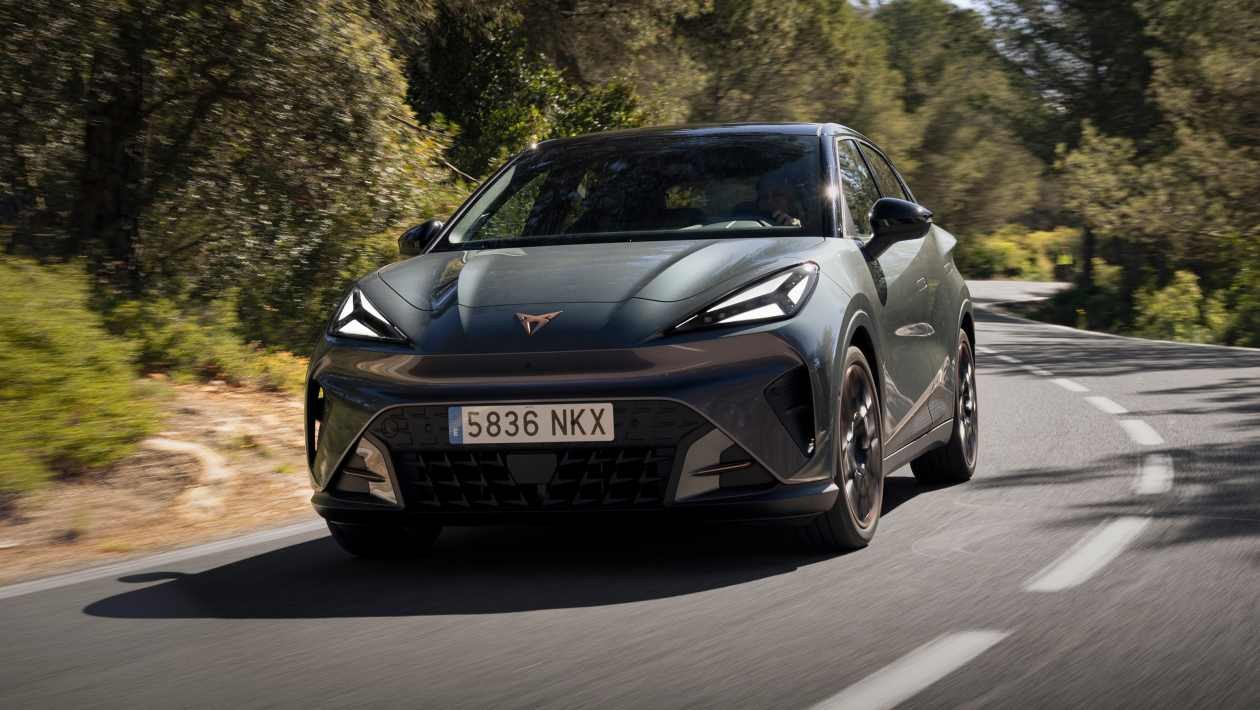
Visually, the Raval leans heavily into its sporting heritage. It features a squat, muscular stance with copper accents and satin paint options, signaling its target demographic: younger buyers seeking individuality. The proportions are well-balanced, offering a short wheelbase for agility without sacrificing interior space.
Inside, the cabin moves away from the sterile, minimalist designs of some competitors. Key features include:
* 12.9-inch central touchscreen : Features intuitive menus and physical illuminated sliders for volume and climate control—a welcome return to tactile feedback.
* 10.25-inch digital driver display : Highly customizable for trip data and media.
* Physical controls : Despite the screen-heavy layout, essential functions like gear selection and drive modes remain accessible via physical buttons and a column-mounted shifter.
While the interior design is busy—with contrasting textures and colors—it remains distinctive and built with high-quality materials. The tall center console enhances the driver-focused cockpit feel, ensuring the car doesn’t feel like a downsized luxury sedan, but rather a dedicated small car.
Driving Dynamics: The “Pocket Rocket” Claim
If there is one area where the Cupra Raval excels, it is handling. In VZ specification, equipped with a 52kWh battery and a 223bhp motor, the car delivers immediate torque and strong acceleration (0-62 mph in 6.8 seconds).
However, the true standout feature is the chassis tuning. The steering is accurate and well-weighted, providing excellent feedback. The car turns in sharply, with relentless grip that allows it to pivot through corners with confidence. Even with the larger battery weight, the Raval maintains unflappable body control, arguably making it the best-handling small car currently on sale.
Comfort does not suffer for performance. Thanks to the adjustable dynamic chassis control (15 stages), the ride remains compliant at speed. While there is some bounce in town due to the short wheelbase, it is far from unpleasant. Real-world efficiency was impressive during testing, averaging nearly 4 miles per kWh, translating to over 200 miles of practical range—close to the official WLTP figures even during spirited driving.
Practicality and Charging: Real-World Compromises
Despite being a small car, the Raval maximizes interior space through its dedicated EV architecture (MEB+ platform).
* Rear Seat Room : Surprisingly adequate for taller adults, aided by a flat floor that makes three-across seating more feasible than in many internal combustion engine (ICE) rivals.
* Boot Space : The front-mounted motor frees up rear space. The standard boot offers a flat load area, but removing the floor reveals a deep 441-litre capacity. This rivals many larger C-segment hatchbacks, challenging the notion that small EVs are impractical.
Charging speeds vary significantly by trim:
* Base Model (37kWh LFP battery) : Max 50kW charging. This is slow by modern standards (comparable to the decade-old BMW i3), likely to keep costs down.
* Mid-Range (37kWh or 52kWh NMC battery) : Up to 88kW. A 10-80% charge takes approximately 23 minutes.
* VZ Flagship (52kWh NMC battery) : Up to 105kW. A 10-80% charge takes 24 minutes.
While the top-tier charging is competitive with rivals like the Renault 5 and MINI Cooper, buyers of the entry-level model must be aware that rapid charging will be a slower proposition.
Verdict: Is the Cupra Raval Worth It?
The Cupra Raval is a compelling entry into the EV supermini market because it refuses to compromise on driving pleasure. It offers a rare combination of sporty handling, efficient real-world range, and surprising practicality.
For buyers who prioritize fun and design, the VZ trim is a genuine hot hatch contender. However, the true market impact will likely come from the base and mid-tier models. If Cupra can maintain this level of chassis refinement in the cheaper trims, the Raval could become the sweet spot in the affordable EV segment—offering more character than its utilitarian rivals at a price point that undercuts many competitors.
Key Takeaway : The Cupra Raval proves that small electric cars don’t have to be boring. With its sharp handling and practical interior, it sets a new benchmark for the “fun-to-drive” EV segment, provided buyers can look past the slower charging speeds on the entry-level models.