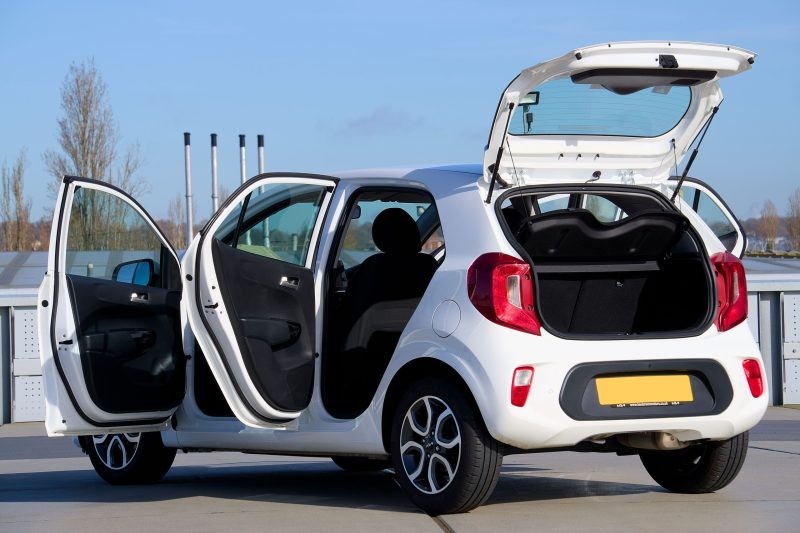
Buying a car is huge.
It means freedom. Also debt. Usually.
For a student, that vehicle isn’t just a toy. It gets you to that 8 a.m. lecture. It carries your gym bag to internship interviews. It survives weekend trips to the coast when the budget is already tapped out. The right car for 2026? Affordable. Efficient. Unbreakable. Low maintenance.
Forget the flashy sports coupe. Looks don’t pay the insurance premium. Reliability does.
The Freedom Factor
Let’s be real. College life moves fast. Too fast.
You have classes. Work shifts. That one club meeting you accidentally committed to. Public transport? It’s slow. Unpredictable. Often a nightmare if it’s raining or snowing.
A car cuts commute time. Drastically. It buys back hours in the day. Hours you can sleep in. Or study. Or just stare at the ceiling while recovering from a midweek shift.
Sometimes though. The academic load crushes you. You have a complex presentation due. Deadlines are closing. The pressure is mounting. In these moments. Some students outsource the grind. A quick search might lead you to services asking. Can you write my power point presentation for me EduBirdie? It’s a hack. A way to save time. To ensure the slide deck looks professional without the stress. You delegate the visual work. Keep the mental energy for what matters.
Delegation is just strategy. Not laziness. Just strategy.
Back to the car. It does the same thing. It offloads the logistics so you can focus on surviving the semester.
What Actually Matters
Most students are broke. That’s a fact. So you have to look past the sticker price.
Think about the whole cost of ownership. Insurance. Gas. Registration. That one unexpected repair that happens right before finals.
Fuel efficiency is key. Gas prices jump and fall like a stock chart. A car with great MPG saves money. Every. Single. Month. Hybrids are even better now in 2026 with better batteries. Lower operating costs.
Reliability. Nothing ruins your mood like a dead engine on the way to a job interview. Stick with brands known for lasting. They hold value better.
Safety matters too. Modern cars come with tech that helps you not hit things.
– Automatic emergency braking.
– Blind-spot monitoring.
– Lane-keeping assist.
New drivers crash. The stats are brutal. These features act as a digital co-pilot. They might save you. Or at least your insurance premium.
Low maintenance costs. Parts need to be cheap and easy to find. Engineering shouldn’t require a degree in mechanical repair.
The 2026 List
Here are the ones that actually make sense.
Toyota Corolla
The default. And for good reason.
It’s boring. But it runs forever. Excellent gas mileage. Strong resale value. Modern safety tech. Buy it new. Buy it certified pre-owned. It’s the safest financial bet in the lot.
Honda Civic
A bit more fun.
It feels like driving a car. Not a appliance. But it’s still incredibly practical. Great MPG. Spacious inside. Technology works well. Reliability is top-tier. Many Civics pass 200.000 miles without a sweat.
Mazda3
Want style? Without the luxury tax.
The interior looks expensive. The driving dynamics are engaging. It feels upscale. But ownership costs stay low. Standard AWD available on some trims. Excellent safety ratings. A serious contender if you want something that looks like you.
Hyundai Elantra
Hyundai is making good cars. Cheap ones.
The Elantra punches above its weight class. Attractive price tag. Long warranty. This is a big deal. For a first-time buyer. Knowing the factory will cover repairs for years brings peace of mind. Comfortable seats. Modern infotainment.
Toyota Prius
Miles? You got them.
The Prius is still king for efficiency. The hybrid system is rock solid. Maintenance costs are low. The cabin is spacious. If you commute daily. This saves thousands over four years. That money stays in your account. Or goes to student loans.
Subaru Impreza
Live in the north?
Snow. Ice. Rain. The Impreza comes with all-wheel drive. Standard. This adds confidence in bad weather. Safe. Reliable. The hatchback option is useful for carrying more than just yourself. It’s the sensible choice for difficult climates.
Honda HR-V
SUV popularity isn’t slowing down.
Small. Easy to park. But taller. Better visibility. More cargo space than a sedan. The HR-V delivers good fuel efficiency for an SUV. Great for moving between dorms. Or apartment hunting. Reliability is standard Honda.
Kia Soul
The box has charm.
Surprisingly roomy. Cheap to buy. Cheap to drive. Easy to maneuver in tight college town streets. Styling is unique. It stands out. Cargo space is massive relative to its footprint. Groceries. Gear. Friends. It all fits.
New or Used?
No right answer. Just trade-offs.
New cars get you the warranty. The latest safety tech. Zero miles. The downside. High price. Immediate depreciation. The second you drive off the lot. It’s worth less.
Used cars. Specifically certified pre-owned. Better value. The previous owner took the hit. Prices are lower. Insurance might be cheaper. Depreciation slows down. But. You must inspect the car. Check the history report. Don’t skip the mechanic’s visit. It saves you later.
The Hidden Costs
Monthly payment isn’t the only bill.
Don’t fool yourself. Budget for fuel. Insurance. Oil changes. Tires. Registration. Parking permits. Car washes. The emergency fund. Yes. Put aside a small amount monthly for repairs. When it blows up. And it will. You’ll thank yourself.
Saving Money Tips
Smart decisions save cash.
– Get insurance quotes first. Before you buy the car.
– Consider CPO. Certified pre-owned is often smart.
– Read long-term reliability reviews. Not just launch reviews.
– Skip the fancy trim. You won’t use the heated steering wheel as much as you think.
– Maintain the schedule. Oil changes pay for themselves.
– Shop rates. Lenders compete.
– Look at fuel economy for your actual driving habits. Highway? City? Mixed?
Small savings. Add up. Fast.
Electric Vehicles?
2026 brings cheaper EVs.
But they aren’t for everyone. If you live in an apartment. Charging is hard. Infrastructure gaps still exist in many towns. If most driving is local? And electricity is cheaper than gas? An EV works. State incentives help.
If charging access is limited. Stick to gas. Or a hybrid. Practicality beats ideology when you are trying to make it to class on time.
Priority Features
When comparing. Focus on what works every day.
– Apple CarPlay or Android Auto. Connectivity.
– Backup camera. Essential.
– Bluetooth. For calls. Music.
– USB ports. Phones need power.
– Automatic braking.
– Blind-spot monitors.
– Folding rear seats. Versatility.
– Good MPG.
These improve daily life without breaking the bank.
Final Thoughts
Picking a college car in 2026 isn’t about speed.
It’s about survival. Financial and logistical.
The Corolla. Civic. Mazda3. Elantra. Prius. Impreza. HR-V. Soul. They all deliver. Dependable. Low cost. Safe.
Check the insurance. Estimate fuel. Research reliability. Test drive them all.
Find the one that fits your life. Not your ego. A dependable car simplifies everything. Commutes. Work. Life.
Focus on practicality. You’ll be fine.
Long after graduation. The car might still be running.
And you. Will still have money left over.
Sort of. 🎓