The adventure touring (ADV) segment in the United States has exploded in popularity, creating a landscape that is as exciting as it is confusing. Manufacturers now offer everything from entry-level commuters to massive, tech-laden touring rigs that rival luxury cars in complexity. But this abundance has shifted the primary question for buyers: it is no longer just about how much power or equipment you can get, but how much bike you can actually control.
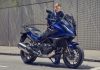
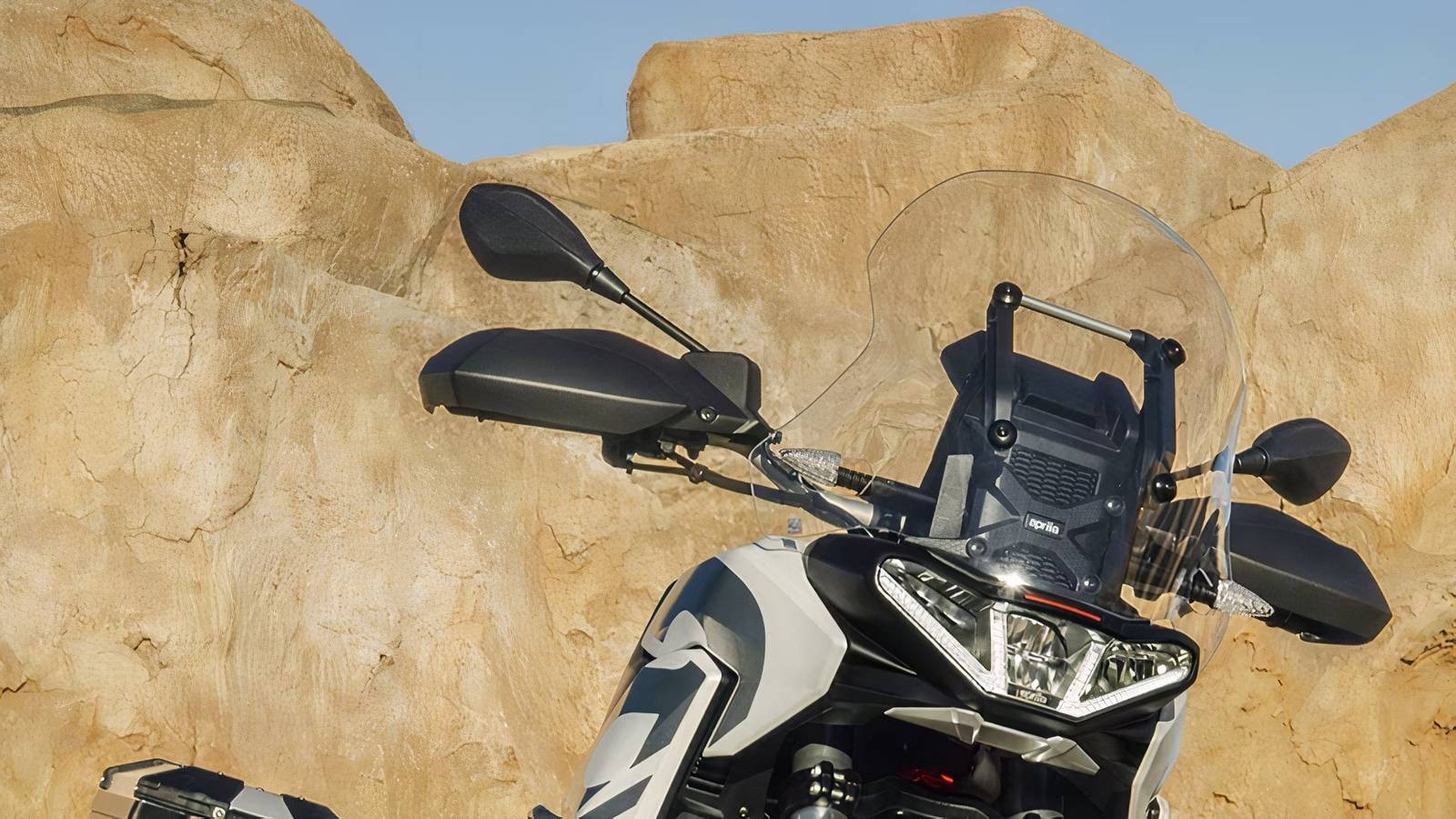
While heavyweight ADVs dominate the headlines with their sheer presence, they often struggle in real-world scenarios—tight parking lots, loose gravel, or technical switchbacks. This has created a vacuum for middleweight adventure bikes : machines capable of long-distance touring that remain agile and manageable when the pavement ends. Among the strong contenders from Japan and Europe, the Aprilia Tuareg 660 stands out not for brute force, but for its exceptional balance of power, electronics, and weight.
The Middleweight Advantage: Control Over Size
The trend toward middleweight ADVs is driven by rider fatigue with oversized machines. While big bikes offer impressive specs on paper, their mass becomes a liability off-road or in urban environments. Riders increasingly prefer bikes that offer a “sweet spot”: enough power for highway cruising and luggage capacity, but light enough to feel connected to the road.
The Tuareg 660 fits this niche precisely. It avoids the compromises of budget dual-sports while rejecting the bloat of flagship touring models. Instead, it offers a cohesive package designed for riders who want to explore dirt roads and back routes without feeling like they are wrestling the machine.
Pricing and Value Proposition
The Tuareg commands a premium over its Japanese competitors, but this cost is justified by a more sophisticated chassis and electronics suite.
- Aprilia Tuareg 660: $12,499 (Base)
- Aprilia Tuareg Rally 660: $13,999
- Yamaha Ténéré 700: ~$10,999
While the price gap is noticeable, the Tuareg offers features like full electronic rider aids and fully adjustable suspension that are often absent or limited in cheaper rivals. For riders willing to pay slightly more for refinement and capability, the value proposition holds strong.
Engine Performance: The 270-Degree Twin
At the heart of the Tuareg is Aprilia’s proven 659cc liquid-cooled parallel-twin engine. Key specifications include:
- Power: 80 horsepower
- Torque: 51.6 lb-ft (peaking at 6,500 rpm)
- Crankshaft: 270-degree firing order
The 270-degree crankshaft is a critical design choice. It mimics the pulse and sound of a V-twin, providing a more engaging character than a standard parallel-twin. More importantly, it ensures tractability. The power delivery is smooth and linear, making the bike manageable at low speeds off-road while providing ample passing power on the highway. This balance prevents the bike from feeling strained under load or overly aggressive on loose surfaces.
Electronics That Enhance, Not Hinder
Modern ADV bikes often suffer from “tech bloat,” where complex systems confuse rather than assist the rider. The Tuareg’s APRC (Aprilia Performance Ride Control) suite is designed to build confidence through flexibility, not restriction.
- Adaptive Traction Control: Reduces intervention in off-road modes to allow controlled wheel spin.
- Engine Braking Control: Allows riders to manage deceleration forces on steep descents.
- ABS Configuration: Rear ABS can be disabled for technical off-road use; front ABS can also be turned off for experienced riders.
This modularity means the bike adapts to the terrain, whether you are riding on wet pavement, rough fire roads, or loose dirt. The result is a machine that feels well-judged rather than overstuffed with unnecessary automation.
Comfort and Ergonomics for Long Hauls
The Tuareg is built for endurance. Key comfort features include:
- 5-inch Color TFT Display: Provides clear information without clutter.
- Standard Cruise Control: A vital feature for reducing fatigue during long highway stretches with an upright riding posture.
- Intuitive Switchgear: Designed for ease of use, even with gloves on.
The riding position is classic ADV: upright bars and a roomy stance that encourages visibility and control. The seat height is 33.9 inches, which is tall, but the bike’s narrow midsection helps shorter riders feel more grounded than the number suggests. While some riders may still tip-toe at stops, the overall ergonomics are praised for being confidence-inspiring and comfortable over long distances.
Suspension and Weight: The Keys to Agility
Perhaps the Tuareg’s strongest asset is its weight management. Weighing in at 449 lbs (wet), it is significantly lighter than many competitors in its class. This lower mass, combined with a steel-tube frame that centralizes weight, makes the bike far easier to maneuver on trails and in tight spaces.
The suspension hardware matches this agility:
* Front: Fully adjustable Kayaba 43 mm fork
* Rear: Matching mono-shock
* Travel: 9.4 inches at both ends
This level of adjustability allows riders to tailor the bike for solo riding, luggage-carrying, or technical trail use. It is serious hardware that separates the Tuareg from merely “competent” middleweights, offering genuine performance capability.
Conclusion
In a market crowded with options, the Aprilia Tuareg 660 distinguishes itself by prioritizing control and maturity over sheer specs. It does not try to win the displacement war, nor does it compromise on comfort or technology. Instead, it offers a balanced, lightweight, and electronically sophisticated package that empowers the rider to handle diverse terrains with confidence. For those seeking an adventure bike that remains manageable and engaging from city streets to backcountry trails, the Tuareg 660 is a compelling and well-rounded choice.