


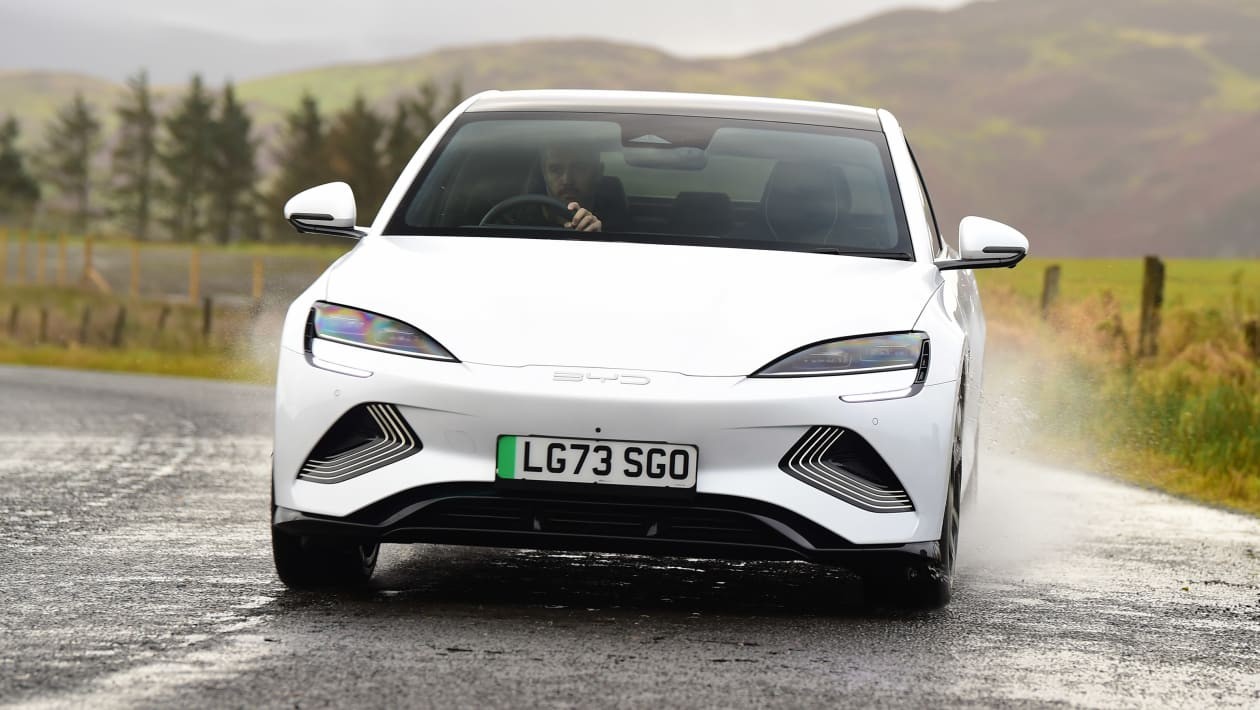
Mainstream auto giants from Europe and Asia are flailing. The UK Government set tough Electric Vehicle targets, and most of the old guard can’t hit them. There’s a gap in the rules, though. A big one. Chinese newcomers are sliding right through it, compliant without much sweat, while the established brands panic about £12,000 fines for every non-compliant unit they move.
Proposed fixes are looming. This scramble could hurt major players like Chery or Jaecoo, sure, but the chaos might actually mean better prices for you.
The Numbers Game
New AutoMotive crunched the data. Big names like Volkswagen and Stellantis aren’t just missing the mark, they’re lagging. The ZEV Mandate requires a third of all cars sold by a manufacturer to be fully electric. You can try reducing emissions from petrol engines. You can borrow credits from the future, or from rivals who are actually compliant. Fail at that? You pay up.
Yet here’s the twist: Chinese manufacturers are thriving in 2026.
“15 percent of total UK car sales,” the Society of Motor Manufacturers and Trades reports, attributing the chunk to Chinese brands.
The Jaecoo 7 sits at third place overall. The BYD Seal cracked the top 10 for EVs specifically. It’s not just them, either. New AutoMotive notes that BYD, SAIC (which owns MG), Geely, Chery, and XPeng are all playing nice with the mandate rules.
Look at the leaderboards. Ford Puma still dominates the combustion world. Tesla holds the EV fort. But the Jaecoo 7 has 23,840 units sold already? That’s huge for a newcomer. Meanwhile, Volkswagen and Stellantis are digging a hole.
Built-In Advantage
Is it fair? Probably not. Ben Nelmes, CEO of the research firm, argues these new brands have an “unfair advantage” baked into the scheme. Legacy makers judge their progress against their own dirty history prior to 2021. New arrivals? Their target is based on the industry average from the year before they arrived.
Nelmes calls it a design mistake.
“It’s a mistake in the regulations,” he said. “Some of the new entrants have very… low estimated real ZEV targets.”
He thinks the Government will fix it soon, but for now, Chinese giants like Chery get away with selling far fewer EVs than the market suggests they should. Their credit balance stays green. VW and Stellantis? Not so much.
In the Red
Volkswagen Group faces a deficit of over 5,000 credits. Stellantis, owner of Vauxhall and Peugeot among others, is down by more than 9,400. Even with bankable surplus credits from last year helping VW out this cycle, both need roughly a third of their sales to be electric to stay clean.
They aren’t getting there. Only about 23% of their combined output is EV right now, despite the government’s £3,755 grant and aggressive dealer discounts.
“Stellantis… were behind target… they were behind last year.” Nelmes isn’t mincing words. “Hybrids don’t count enough to save them.”
Renault is the only other European brand actually hitting its stride, thanks to the hot-selling Renault 5. Everyone else is scrambling. Japanese and Korean manufacturers? Struggling too. It’s a systemic failure, really. Or perhaps just a mismatch between policy and reality.
Buyer’s Market?
You might wonder what this does for the average person buying a car. The answer seems to be: more discounts.
Nelmes points out an incentive structure that works against the complacent carmaker. If a brand misses its target, competitors who are compliant suddenly hold valuable currency in the form of excess credits.
To sell those credits to the struggling brands, the compliant manufacturers must manufacture more EVs than they need. This surplus capacity? They sell it to customers, likely with lower prices or better incentives attached to move the metal faster.
Brand loyalty gets tested. A driver might stick with their favorite badge, sure. But if that badge is in the red and charging premiums (or at least paying up), why not look at a new contender?
“Consumers who have been loyal… may start to look elsewhere.”
It’s a mess of credit trading. Credits are borrowed, sold, bought. The system is “agnostic” – meaning the government doesn’t care how you fix the problem, as long as the overall fleet gets cleaner. This financial pressure translates to discounts. The industry spent £5 billion last year on discounts alone just to survive the ZEV mandates.
A Call for Change
Mike Hawes, head of the SMMT, says the current system is killing competitiveness.
“Reforming the mandate now is essential… to safeguard jobs.”
He argues the market isn’t moving fast enough for the rules in place. Others disagree. Tanya Sinclair of Electric Vehicles UK wants the government to push harder, aligning with “British motorist’s direction of travel” rather than “certain carmakers’ lack of ambition.”
The Government is set to consult on reforming this in the near future. The math is shifting anyway. EVs took 30% of sales last month, up from roughly 21% last year. Over a million new cars registered in six months.
The question isn’t if the rules will change, but who pays for the gap. Is it the manufacturer paying the fine, the dealer eating the margin, or the consumer saving a few hundred quid on a shiny new EV?
Maybe.
Maybe the fix creates more loopholes. Maybe it breaks them. For now, the credits trade hands, and the electric cars sit in dealerships waiting for someone to notice they’re actually a good deal.
Source: New AutoMotive, SMMT, Auto Express


