


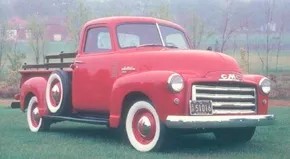
The 1950 GMC FC101 pickup didn’t really look new. It looked like a 1948 truck. That was the plan. GMC introduced a cleaner, modern face two years prior, and for 1950, they kept it. But there was a catch. It looked suspiciously like its sibling, the Chevrolet.
Fans were disappointed. You could barely tell them apart.
Why the 1950 GMC FC101 Looks Like a Chevrolet
GM was consolidating. The redesign that hit in 1948 carried over. The goal was a contemporary look, one that shed the heavy wartime industrial vibe. The result? A low-silhouette cab. Rounded lines. A shorter hood.
The grilles got wider, filled with horizontal bars. Headlamps finally stopped living in isolated pods. They integrated into the front fenders. It was postwar styling, sure. But it lacked the soul of competitors.
Studebaker’s 2R series had grace. International’s L-series had brutal simplicity. GMC had… conformity. Differences were minor. Grille tweaks. Equipment lists. Mechanical specs. If you squinted, you saw a Chevy.
Interior Upgrades and Visibility Tricks
The exterior was a compromise. The interior was where GMC tried to win you back. Brochure writers went to town. They talked about comfort. Convenience. Car-like amenities.
This was a shift. Trucks were becoming appliances. People wanted easier lives.
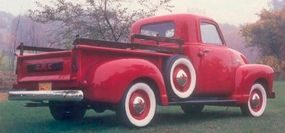
One feature actually worked. The deluxe-cab models got a three-piece rear window. The side sections curved around the roof. They ran forward, almost to the doors. Visibility improved. You could see what was behind you without leaning out.
A practical touch. In a sea of sameness, it was a good one.
The 1950 FC101 marked an improvement in GM truck design. Vast, they claimed. Maybe. It was cleaner. Safer to look at from the rear. But outside? Just another GM product wearing a GMC badge.
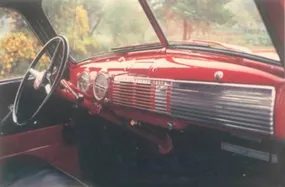

Why the 1950 GMC FC101 Pickup feels roomier than it looks
GM didn’t just tweak the sheet metal. They widened the door openings by four inches over the prewar designs. That sounds minor until you’re trying to slide into a denim-clad 1950s seat. The glass area expanded too. GM claimed it boosted outward vision by 15 percent. You can verify that yourself. The view is clearer. Less blind spot.
Inside, the cab stretched. Seven extra inches of legroom. Headroom grew by an inch despite the roofline dropping. It’s a tighter box that somehow feels more spacious. The one-piece instrument panel included toeboards GMC called “scientifically insulated.” Marketing speak for sure, but it meant less cold metal against your shins.
Concealed door hinges cleaned up the side profile. A foot-actuated parking brake freed up your hands. The steering-column gearshift was easy-action. Integral cowl ventilation kept the air moving. None of this was gimmickry. It was usability.
Under the hood sat the 228-cid GMC six. It pushed 96 bhp. Not fast by modern standards. Adequate for the era.
Is the 1950 GMC FC101 Pickup a better buy than a Chevy 3100?
Here’s the trade-off. The GMC sits above the Chevy in the hierarchy. It’s the deluxe option. Cleaner styling than the Chevrolet 3100 Series. Sharper lines. Less clutter. There’s also the novelty factor. GMC is a rarer marque. Finding one is harder.
That rarity hurts your wallet in two ways. First, you hunt longer. Second, parts are scarce. Not impossible, just annoying. You’ll pay more for the inconvenience.
Then there’s the resale reality. The GMC is worth only about two-thirds the price of a comparable 3100 Series Chevrolet. Collectors prefer the Chevy liquidity. The GMC is a niche play. You buy it because you like the look. Or because you want something different.
It’s the choice between the popular standard and the understated alternative.
The 1950 GMC FC101 Pickup isn’t for everyone. It demands patience. It rewards specific taste. If you want the cleaner aesthetic and don’t mind the parts hunt, it’s a solid choice. If you want easy maintenance and high resale value, stick with the Chevy.

Where to dig deeper into truck history
You’ve got the specs. You’ve got the stories. Now you need the sources.
Don’t just bookmark this page. Go look at the metal.
- Classic Trucks covers the rusted beauties and the pristine survivors. It’s the archive for the vehicles that defined generations.
- Ford Trucks is the obvious next stop. If you’re interested in the F-series lineage or the Blue Oval’s heavy-hitter history, this is the repository.
- Consumer Guide Auto Reviews and Prices keeps it grounded. Specs are fun. Ownership costs? That’s reality. Check the pricing data before you fall in love with a project that breaks the bank.
Trucks aren’t just machines. They’re investments, headaches, and pride all wrapped in sheet metal.
Know which one you’re holding before you buy.


