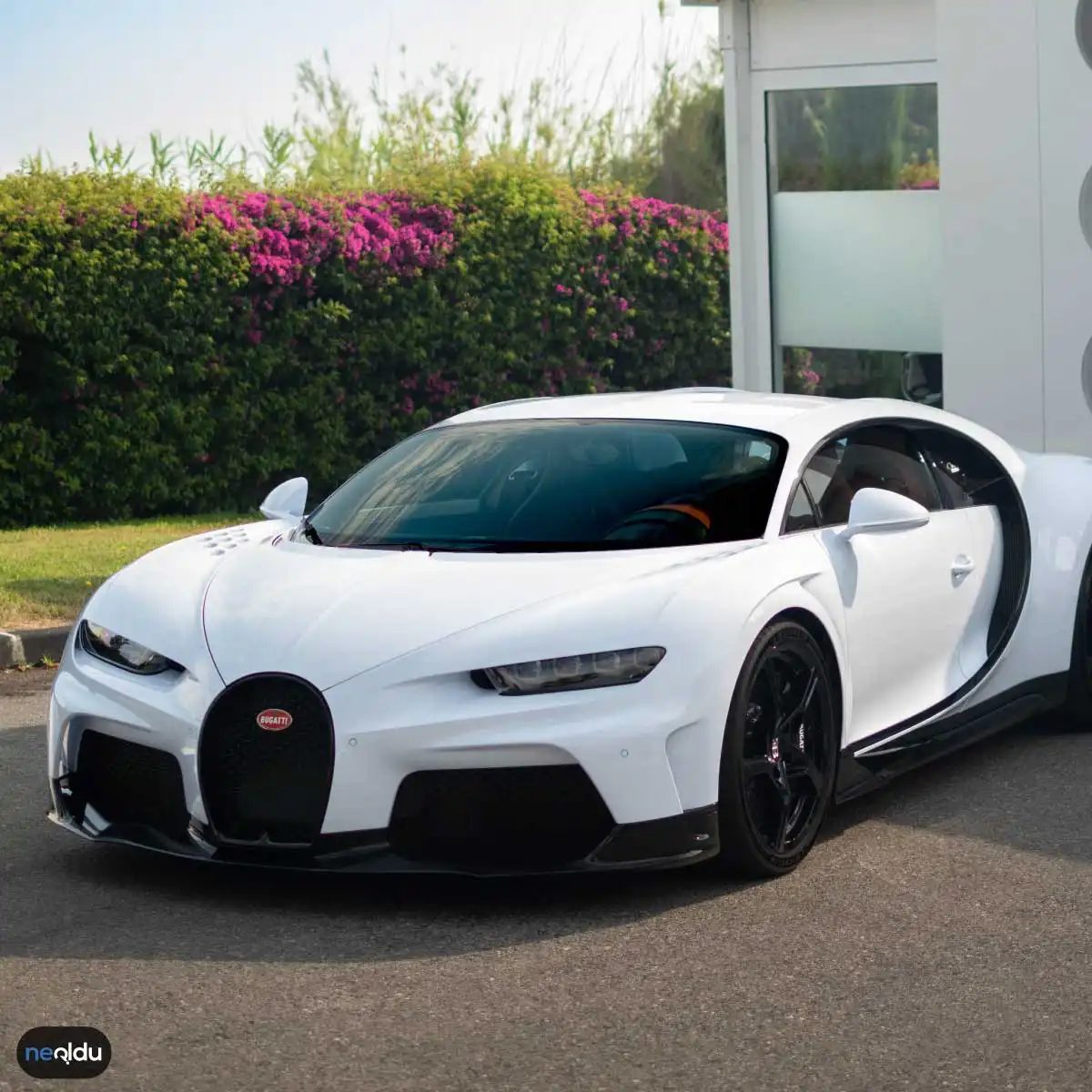
Most supercars are about showing off. The Bugatti La Voiture Noire isn’t. It’s a ghost.
It vanished into the night at the 2019 Geneva Motor Show. One unit. No photos of the interior. Just a silhouette and a price tag that makes your head spin. $18.9 million. That is not just expensive. That is absurd.
Why It Costs So Much
The name translates to “The Black Car.” It’s a tribute to the Type 57 SC Atlantic, a pre-war masterpiece that was lost to history. Bugatti didn’t just copy it. They resurrected its soul.
The chassis is carbon fiber. The engine is a 8.0-liter quad-turbocharged W16. It pushes 1,500 horsepower. Top speed is electronically limited to 261 mph. You will never reach that. Neither will anyone else. The tires aren’t street legal. They are drag slicks.
“This isn’t a car. It’s a moving sculpture.”
The Design
Look at it. The rear is wide. Aggressive. The exhaust pipes are integrated into the diffuser. There are no badging marks. No “Bugatti” script. Just pure, unadulterated presence. The paint is a deep, glossy black. It absorbs light. It eats it.
Inside, we don’t know. Bugatti kept it secret. Rumors say Alcantara. Real carbon fiber. Gold accents. Maybe. It doesn’t matter. You don’t buy this to sit in it. You buy it to own the void.
The Buyer
Who bought it? Nobody knows for sure. Hennessey Performance claimed they sold it. Bugatti said they built it for a private client. The buyer remains anonymous. Probably a sheikh. Or a tech billionaire who has everything and wants something no one else has.
The Legacy
The La Voiture Noire isn’t for the road. It’s for the garage. It’s a statement. It proves that engineering can still be art. That money can still buy rarity.
There will be other expensive cars. The Rolls-Royce Boat Tail. The Pagani Zonda HP Barchetta. They are beautiful. They are quick.
But they aren’t this. This is the end of the line. The final word in excess.
La Voiture Noire, sadece bir araba değil, hareket eden bir heykel. “Siyah Araba” anlamına gelen bu isim, Bugatti’nin 110. yıl dönümü için ürettiği o tek parça şahesere ait. Chiron’den esinlenilmiş ama ondan çok daha farklı. Neden? Çünkü gövdesi. O mat siyah yüzey, ışığı yutuyor. Gizemli. Sofistike. Her detay el emeği. Mükemmel hatlar. Gören insanı etkiliyor.
Altında 8.0 litrelik W16 motor var. 1.500 beygir gücü. Bu güç, hızı kısa sürede zirveye taşıyor. Bugatti’nin meşhur hız limiti olan 420 km/saate ulaşabiliyor. Performans, lüksün bir parçası.
İçeri girseniz, deri ve el dikişleri sizi karşılıyor. Son teknoloji kokpit sürüşü bir deneyime çeviriyor. Ama asıl mesele fiyat. 19 milyon dolar. Sadece bir tane üretildi. Servetiniz olsa bile, şanslı biri olmanız lazım.
Lamborghini Veneno: Düşük Üretim ve Yüksek Performans
İkinci durak: Lamborghini Veneno. Adı, “Venom” yani zehir kelimesinden geliyor. 2013’te başlattılar. Sadece 9 adet üretildi. 6’sı coupe, 3’ü roadster. Nadirlik burada da anahtar kelime.
Veneno, Aventador’un üzerine inşa edildi. Ama çok daha agresif. Daha hafif. Daha hızlı. Tasarım, rüzgarı kesmek için yapıldı. Aerodinamik her çizgi bir hesaplama. İçeride ise sürücü odaklı bir kabina var. Carbon fiber kullanımı yüksek. Ağırlık düşürmek için her şey elendi.
Motor yine V12. 6.5 litre. 740 beygir gücü. 0-100 km/saati 2.8 saniye. Maksimum hızı 355 km/saati. Bunlar sadece rakamlar değil. Hissedilen şeyler.
Fiyatı ne? Satışa çıktığında yaklaşık 3.1 milyon dolar. Bugün piyasa değeri buna göre çok daha yüksek. Kim alır? Koleksiyonerler. Onlar için Veneno, bir ulaşım aracı değil. Yatırım. Tarihin bir parçası.
Karşılaştırma: İki Farklı Dünya
La Voiture Noire ile Veneno’yu yan yana koyduğunuzda, iki uçtan iki örnekle karşı karşıyasınız.
- Üretim Adedi: La Voiture Noire için tek bir tane. Veneno için dokuz tane. Her ikisi de nadir. Ama Noire daha az bulunur.
- Fiyat: 19 milyon dolar vs. 3.1 milyon dolar. Arada
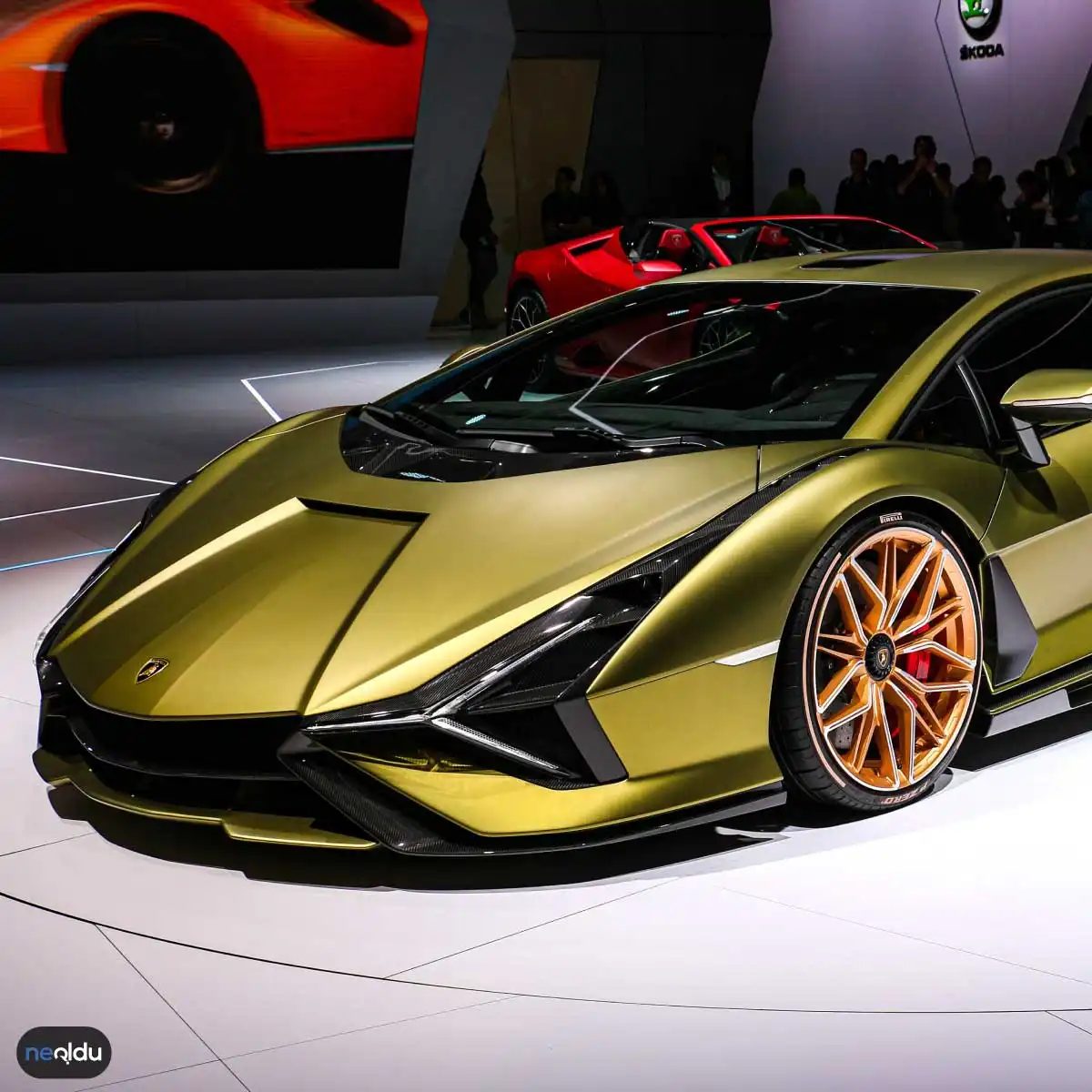

The Veneno: Pure Speed and Scarcity
The name Veneno translates to “poison” in Spanish. It’s fitting. Lamborghini didn’t just build a car with this concept; they built a weapon. It’s one of the most expensive and legendary vehicles on the planet, a clear rejection of safety in favor of pushing every boundary.
The design is pure race car. No compromises. Sharp angles. Massive air intakes. A rear spoiler so aggressive it looks like it’s trying to lift the car off the ground—except it doesn’t. It presses it down. The aerodynamics are tuned for grip, not just looks. It stares you down.
Under the hood, the heart is a 6.5-liter V12. It pumps out 750 horsepower. The result? Zero to 100 km/h in just 2.8 seconds. Top speed hits 355 km/h. That’s not driving. That’s surviving an adrenaline rush.
Inside, it’s less about luxury and more about focused sportiness. Carbon fiber and leather are woven together. The infotainment system is high-tech, yes, but the real draw is the craftsmanship. It feels like sitting inside a work of art.
But here’s the catch. Scarcity.
Lamborghini only made 12 Venenos. Three were coupes. Nine were roadsters. If you had the money, you still needed the right connections. The price tag wasn’t just high; it was astronomical. These aren’t just cars. They’re museum pieces that happen to run on gasoline.
3. Rolls-Royce Sweptail
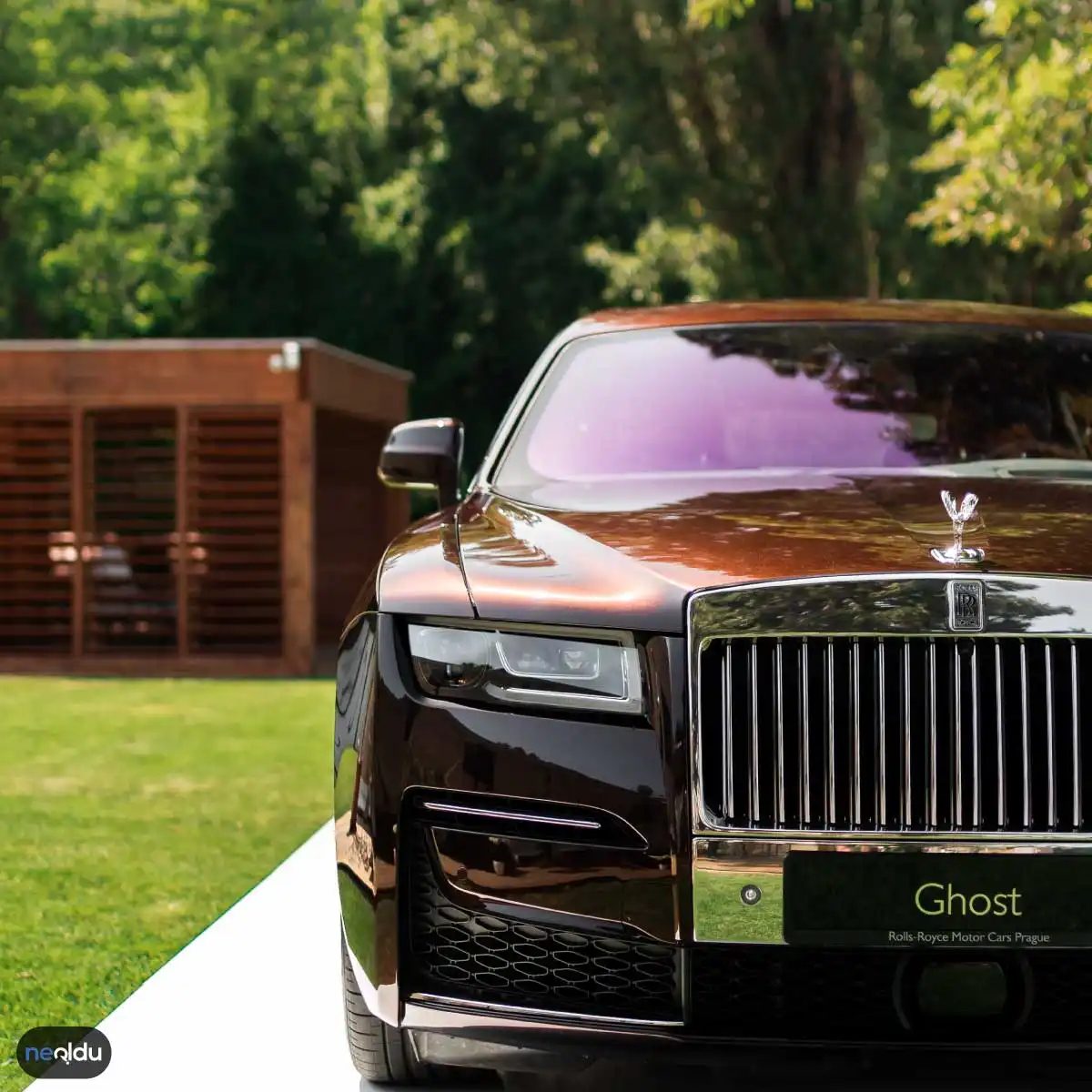
The $13 Million Single-Order Commission
Let’s talk about the Rolls-Royce Sweptail. It isn’t just a car. It is a rolling statement of excess. Built by Rolls-Royce Motor Cars’ Bespoke department, this one-off commission shattered price records and redefined what “custom” actually means.
The design doesn’t guess. It takes direct inspiration from the swept-back sterns of 1920s and 1930s luxury yachts. Look at the rear profile. It flows downward in a long, elegant curve. That silhouette is the signature. It looks less like a sedan and more like a vessel designed to cut through water, not asphalt. The visual weight is entirely forward-biased, pushing the passenger cabin back for maximum privacy and presence.
Inside, the craftsmanship crosses into the realm of fine furniture. There are no mass-produced parts here. Every surface is hand-finished. The wood veneers are matched for grain continuity. The leather is sourced for specific textures and colors requested by the owner. It was a fully personalized experience where the client dictated the materials. The result is an interior that feels like a private lounge on wheels.
Under the metal hood sits the familiar 6.6-liter twin-turbocharged V12 engine. This is the same powertrain found in the Phantom. But in the Sweptail, it serves a different purpose. It isn’t about lap times. It’s about torque and silence. The car moves with the heavy, effortless glide of its namesake yacht. Handling and acceleration are capable, but they are secondary to the ride quality. You don’t drive the Sweptail. You pilot it.
And then there is the rarity. Just one exists.
Rolls-Royce does not build cars for the market. They build them for individuals. The Sweptail was commissioned by a single client whose identity has never been publicly confirmed. The price tag? Estimates place it between $13 million and $17 million USD. That isn’t a sticker price. That is a fortune reserved for a handful of people on Earth. It remains the most expensive new car ever sold at the time of its reveal, a benchmark that has yet to be officially toppled.
It proves that for some, money is irrelevant. The goal was never value. It was legacy.
4. Koenigsegg Jesko
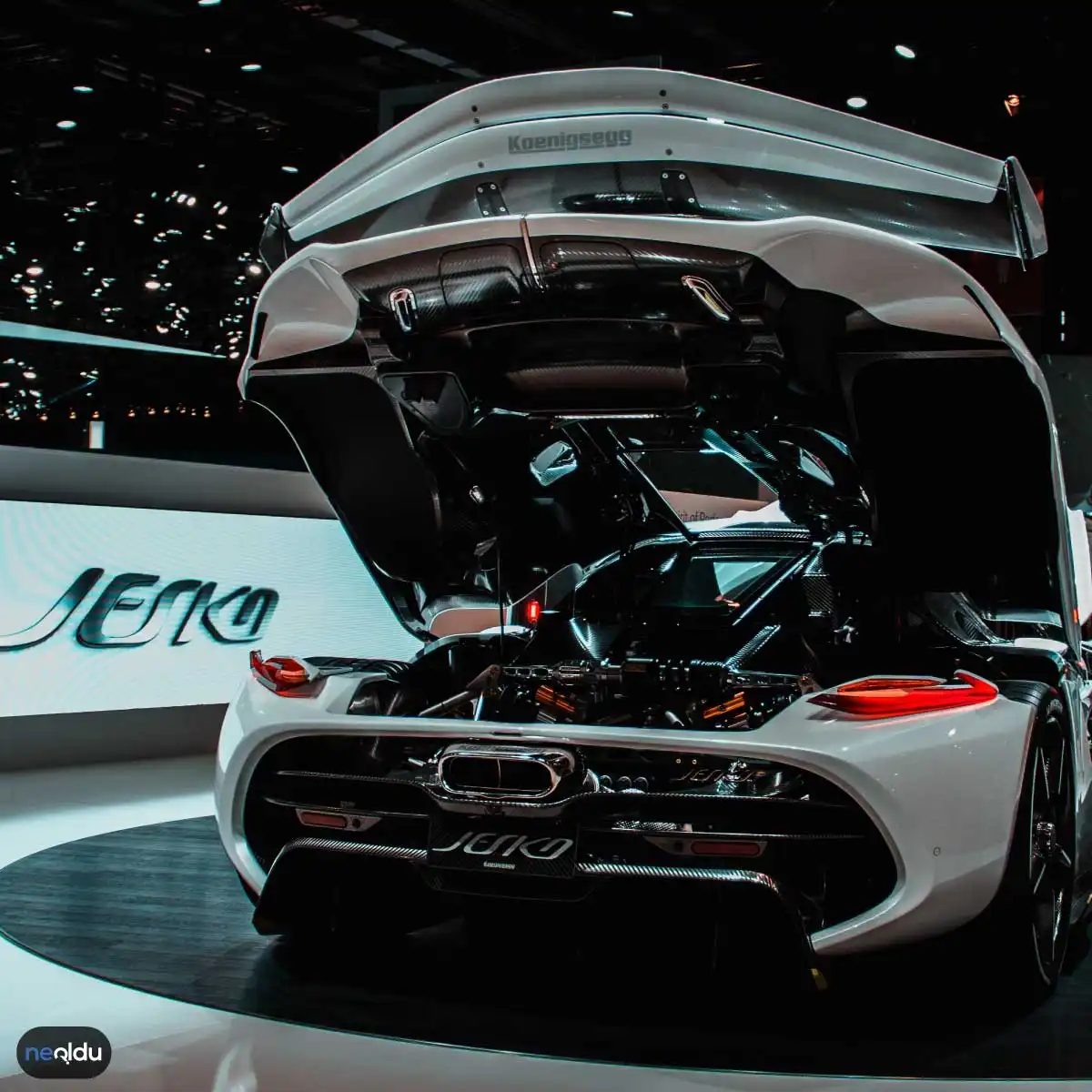
Christian von Koenigsegg’in babası Jesko Koenigsegg’e adanan bu araç, sadece bir isim değil. Koenigsegg’in mühendislik dehasının zirvesi. Süper otomobil dünyasına yeni bir limit çiziyor.
Tasarım tamamen hava akışına odaklı. Göz alıcı hatlar, keskin kenarlar… Her parça yere daha iyi yapışmak için şekillendirilmiş. Yüksek hızlarda üstün performans sergiliyor. Agresif görünümü, otomobil tutkunlarını hemen etkisi altına alıyor.
Kalbinde 5.0 litrelik çift turbolu V8 motoru var. 1.600 beygir gücü… Bu rakam sadece bir sayı değil. 0’dan 100 km/s hiza sadece 2.5 saniyede ulaşıyor. Maksimum hızı 480 km/s ile sınırlandırılmış. Otomobil dünyasının en hızlı araçlarından biri olmanın haklı gerekçesi bu.
İç mekanda lüks ve sporif tarz birleşiyor. Yüksek kaliteli malzemeler. Ergonomik koltuklar. Son teknoloji özellikler sürücü ve yolculara konforlu bir deneyim sunuyor. Özel dijital gösterge paneli ve bilgi-eğlence sistemi sayesinde sürücü, aracın performansını kolayca kontrol edebiliyor.
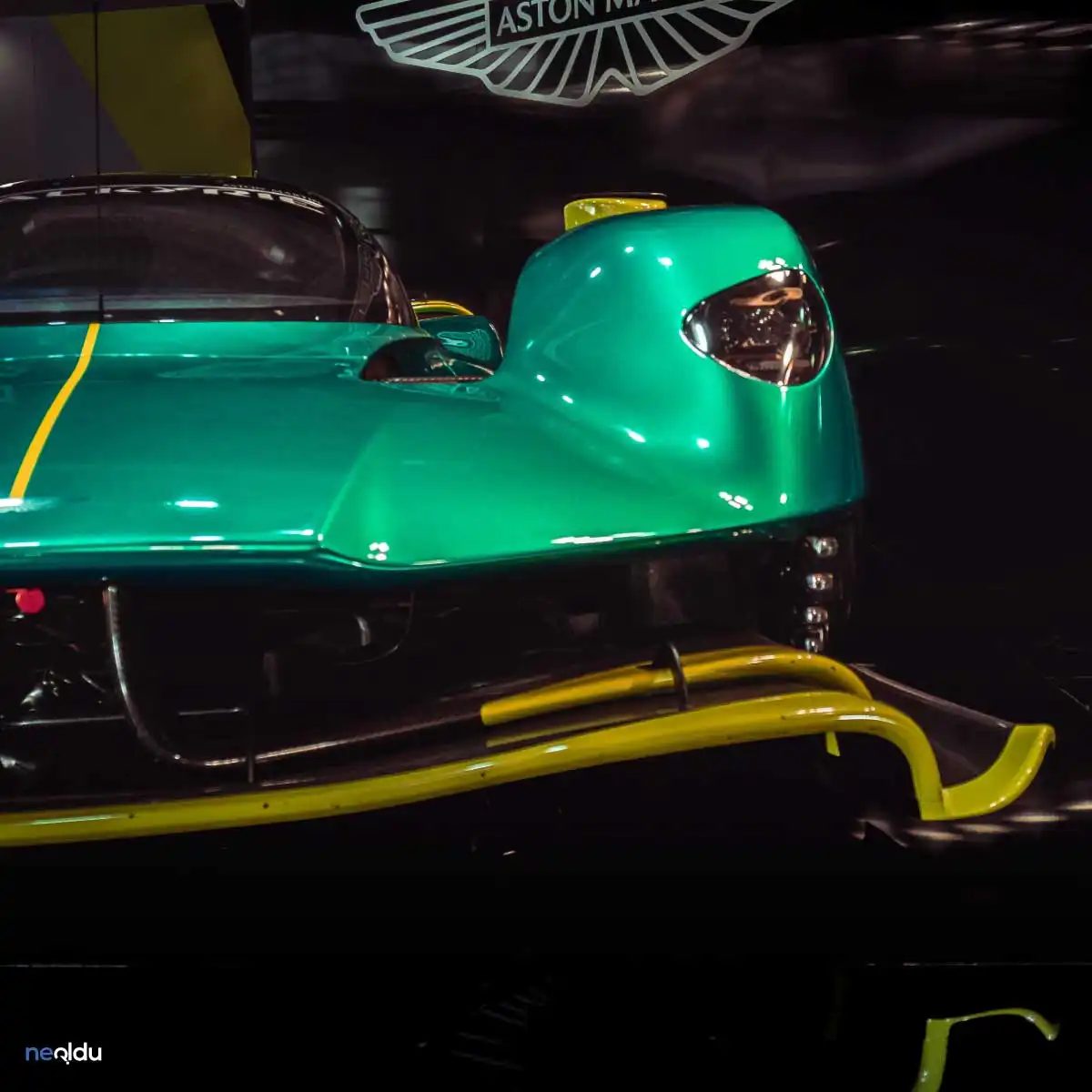
Aston Martin Valkyrie
Aston Martin Valkyrie… Adı bile mitolojik bir varlığı çağrıştırıyor. Ancak bu araç, efsanelere göre değil, gerçek mühendislik harikalarına dayanıyor.
Ferrari Pininfarina Battista: Elektrikli Süper Otomobilin Yeni Tanımı
Ferrari’nin ismini bile duyduğumuzda adrenalin artar. Ama Pininfarina Battista, o klasik yakıtlı hayallerin ötesine geçen, elektrik akımının gücünü süper spor car kategorisine taşıyan bir dev. Bu araç sadece bir otomobil değil. Pininfarina’nın 90 yılı aşkın tasarım mirasının, modern elektrikli teknolojiyle buluştuğu nokta.
Peki bu araç neden önemli? Çünkü 1.900 beygir gücü. Evet, yanlış okumadınız.
Battista, HWA AG (eski adı ilə Mercedes-AMG High Performance Powertrains) tarafından geliştirilen elektrikli drivetrain’e dayanıyor. Bu sadece bir motor değil. Dört adet elektromotor, anlık tork ve inanılmaz bir güç dağılımı sunuyor. 0-100 km/s (0-62 mph) hızlanma sadece 2.5 saniye. Zirve hızı ise 350 km/s. Bunlar sadece rakamlar değil. Fizik yasalarını zorlayan bir mühendislik harikası.
Tasarım: Hava Direncini Yenen Hatlar
Battista’nın dışı, işlevsellikle bezeli. Pininfarina’nın imzası olan ince, akıcı hatlar burada aerodinamiğe hizmet ediyor. Karbon fiber şasi, ağırlığı minimize ederken rijitliği maksimize ediyor. Ön partta büyük hava girişleri, batarya soğutması ve frenler için hava akışını sağlıyor. Arka kısımda ise aktif aerodinamik elemanlar, yüksek hızlarda araçı yola sabit tutuyor.
Görünüşte agresif. Keskin kenarlar, dar farlar ve geniş geniş iz izi, onun bir yarış pisti canavarı olduğunu fısıldıyor. Ama aynı zamanda lüks. Deri döşemeler, karbon detaylar ve minimalizm iç mekanda hâkim. Sürücü koltuğu, yarış arabalarındaki gibi konumlandırılmış. Direksiyon simidi, her kontrolün parmak ucunda olmasını sağlıyor.
Performans ve Sürüş Dinamikleri
Elektrikli süper otomobillerin en büyük avantajı, torkun anında ulaşması. Battista bu avantajı tam 1.900 beygir gücüyle kullanıyor. Dört tekerlekten çekiş sistemi, bu gücü asfalt parçalamadan yola aktarabiliyor.
- Motor: 4 x elektromotor
- Güç: 1.900 beygir
- Tork: 1.700 Nm (yaklaşık)
- Ağırlık: ~1.900 kg (yaklaşık, batarya ağırlığı dikkate alınarak)
- 0-100 km/s: 2.5 saniye
- Zirve Hız: 350 km/s
Bu rakamlar, Lewis Hamilton gibi F1 şampiyonlarının dikkat
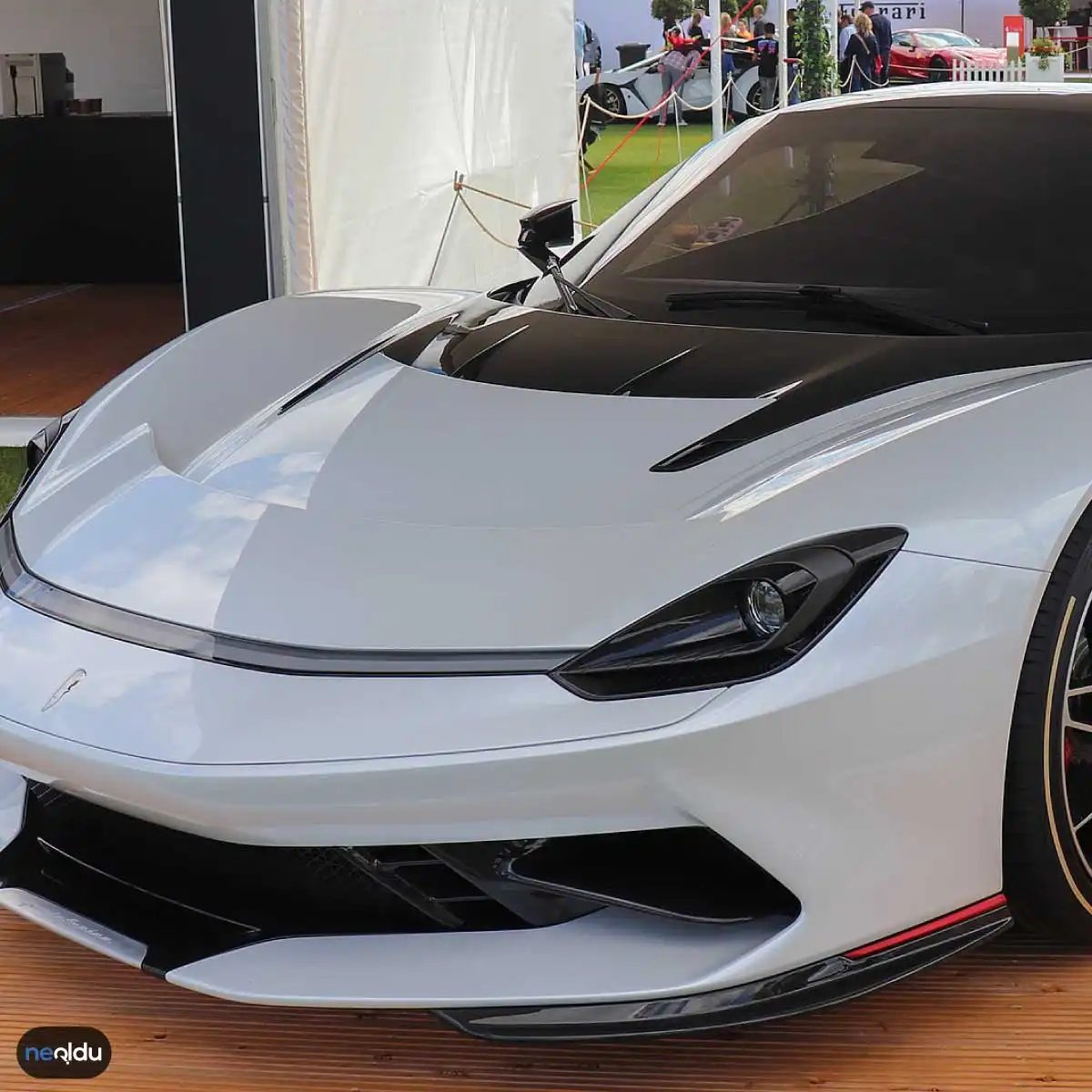
Dört elektrikli motorun her tekerleğe güç verdiği bir araçtan bahsediyoruz. Ferrari ve Pininfarina’nın ortak eseri olan Battista, sıradan bir elektrikliy değil. 1.900 beygir gücüyle üretim yapan araçlar arasında zirvede duruyor. Anlık tork, yani güç gecikmesiz. 0’dan 100 km/s hıza iki saniyeden kısa sürede ulaşıyor. Bu, elektrikli hiperotomobillerin ne kadar hızlı ivmelenebileceğinin somut kanıtı. Tasarım ince. Aerodinamik formlar yol tutuşunu optimize ediyor. Özel hava girişleri ve kanatlar aracı yere yapıştırıyor. İç mekan sürücü odaklı. Lüks malzemeler, ergonomik koltuklar ve gelişmiş infotainment sistemi bir arada. Ancak hikayenin ikinci yarısı, tamamen farklı bir felsefeye sahip.
Pagani Huayra BC nedir ve neden bu kadar özel?
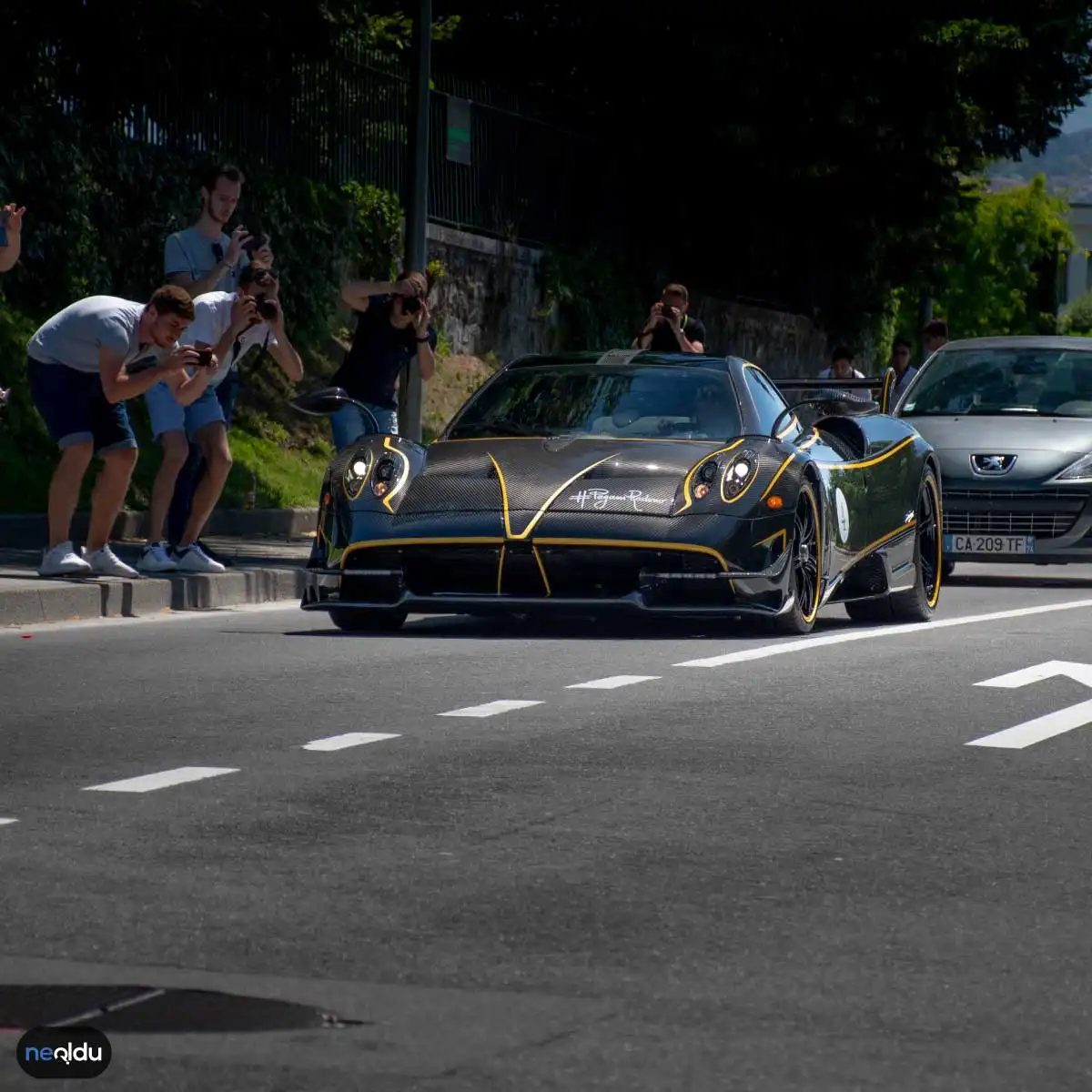
Pagani Huayra BC, Horacio Pagani’nin zirve noktası. “BC” takısı, Bizzarrini Chiti’yi anmak için değil. Burada bahsedilen, Pagani’nin uzun süredir kullandığı bir kod: Basel. Otomobil fuarlarındaki Basel sergilerine atıfta bulunur. Ama daha önemlisi, bu model, standart Huayra’dan önemli ölçüde daha hafif ve daha sert. Karbon fiber monokok gövde. Titanyum egzoz sistemi. Zırhlı çelik şasi bağlantıları. Hepsinin amacı: Ağırlığı azaltmak.
Standart Huayra’dan yaklaşık 28 kg daha hafif. Bu, hiperotomobil dünyasında kulağa küçük gelir. Gerçekte ise çok büyük. Dönüşlerdeki atalet azalır. Direksiyon tepkileri daha net olur. Pagani, bu hafifliği sürdürülebilir kılmak için malzemeye aşırı önem verdi. Carbon-Titanium (CT) hibrit gövde. Karbon fiber dış panel. Titanyum iç şasi. Bu kombinasyon, hem sağlamlığı hem de hafifliği korur.
Huayra BC nasıl bir performans sunar?
V12 motor. AMG tarafından özel olarak geliştirilmiş. 6.0 litrelik biturbo V12. 800 beygir gücü. 1.100 Nm tork. Bu rakamlar, elektrikli rakiplere kıyasla daha az gibi dursa da, işin bir de dinamik tarafı var. Ağırlık dağılımı. 40/60 oranı. Ön aks daha hafif. Arka aks daha ağır. Bu, araçtaki hissi değiştirir. Dönüşlerde arka uç daha aktif olur. Sürücü, aracı biraz daha “canlı” hisseder.
0’dan 100 km/s hıza 2,8 saniye. 0’dan 3
McLaren Speedtail
The Pagani Huayra BC was a study in obsessive detail, but McLaren took a different approach with the Speedtail. Where Pagani focused on raw aggression and complex aerodynamics, McLaren went for something rarer: pure, unadulterated speed. The Speedtail isn’t just a supercar. It’s a grand tourer designed for one purpose—going fast in a straight line while looking like a weapon.
This wasn’t a limited-run experiment. McLaren produced exactly 150 units. Each one was bespoke enough to satisfy the ultra-wealthy, but unified enough to create a distinct lineage. The name “Speedtail” comes from the legendary Aston Martin DBR1, the car that set a world speed record in 1955. McLaren borrowed the term to describe the sleek, teardrop-shaped rear of the car. It’s not just for aesthetics. That shape is a functional necessity for managing airflow at speeds that threaten physics.
Design Without Compromise
The exterior design prioritizes laminar flow over decoration. Look at the side mirrors. McLaren ditched traditional glass mirrors for camera-based systems. They sit on thin stalks to reduce drag. The result is a surface that looks almost liquid, smooth, and uninterrupted.
The carbon fiber monocoque is exposed in places, woven into patterns that serve no structural purpose other than visual flair. It’s carbon fiber as art. The front splitter is aggressive, but subtle. The rear diffuser is massive, designed to suck the car onto the tarmac. At high speeds, the car feels planted. Not jittery. Planted.
The Powertrain
Under the hood sits a twin-turbocharged 4.0-liter V8. It’s the same engine architecture as the Senna and the P1, but tuned differently. This isn’t about cornering grip. It’s about top-end power. The engine produces 745 horsepower. Torque hits 750 Nm.
More importantly, McLaren removed the automatic gearbox. The Speedtail uses a sequential seven-speed transmission. It’s manual. You shift gears yourself. There’s no clutch pedal, but you’re not just pressing a button. You’re engaging with the machine. This choice separates the Speedtail from its siblings. It’s a driver’s car in a segment dominated by autopilot-ready hypercars.
Performance Numbers
McLaren didn’t lie about the performance. The Speedtail accelerates from 0 to 100 km/h in 2.5 seconds. Then 0 to 200 km/h in roughly 6.5 seconds. But the headline number is the top speed. The Speedtail was designed to hit 403 km/h (250 mph).
That’s 33 km/h faster than the Huayra BC. 33 km/h might not sound like much. At those speeds, it’s an eternity. It’s the difference between breaking a record and staying safe. The car’s aerodynamic efficiency allows it to achieve this without requiring excessive downforce that would kill acceleration. It’s a balance of speed and stability that McLaren mastered.
Interior Minimalism
Inside, the layout is radical. Only two seats are present. The driver sits in the center. The passenger sits to the right, slightly behind. This “cockpit” arrangement is inspired by racing
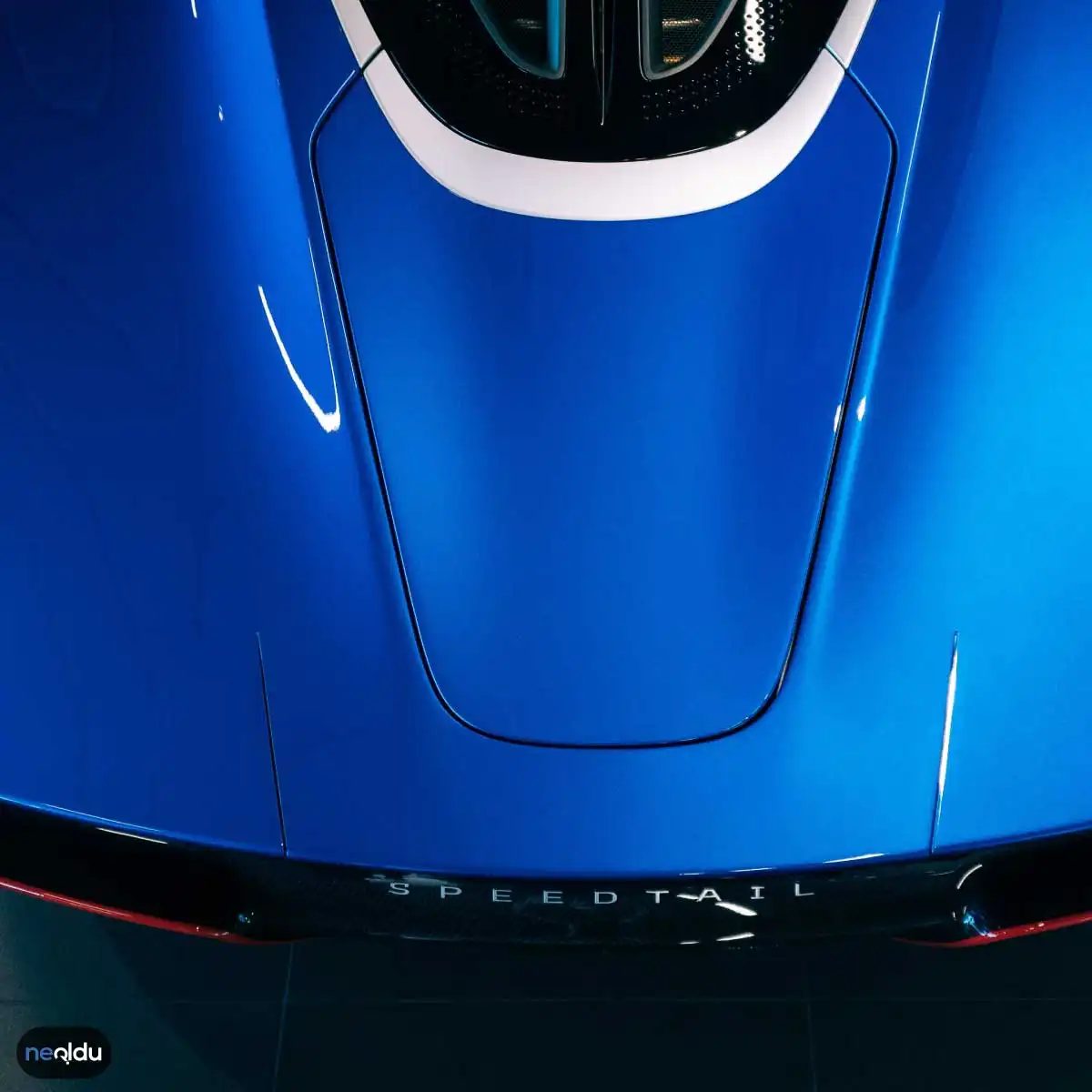
McLaren Speedtail: Aerodinamik bir F1 ilhamı
McLaren Speedtail sadece bir otomobil değil, teknoloji, hız ve lüksün çarpıcı bir sentezi. Efsanevi F1 modelinden ilham alan bu hiper otomobil, aerodinamik mükemmellik, çarpıcı performans ve benzersiz bir stil sunuyor. Otomobil dünyasının en pahalı ve dikkat çekici modellerinden biri olarak biliniyor.
Speedtail’in aerodinamik tasarımı, akıcılığı ve hızı en üst düzeye çıkarmak için özenle şekillendirilmiş. İnce hatları, keskin kenarları ve benzersiz detayları araca dinamik bir görünüm kazandırıyor. Özellikle arka tarafında yer alan uzun kuyruk tasarımı ve hareketli aerodinamik elemanlar, aracın hava direncini en aza indirip yol tutuşunu optimize ediyor. Bu sayede Speedtail, yüksek hızlarda bile mükemmel bir performans sergiliyor.
Speedtail’in kalbinde etkileyici bir hibrit güç ünitesi yer alıyor. Bu güç ünitesi, 4.0 litrelik V8 twin-turbo motor ile elektrikli motorun birleşiminden oluşuyor. Toplamda 1.070 beygir gücü üreten bu sistem, araca inanılmaz bir hızlanma potansiyeli sağlıyor. Sadece 2.5 saniyede 0’dan 100 km/s hıza ulaşabilen Speedtail, maksimum hızını 403 km/s ile sınırlamış. Bu, onu McLaren’ın ürettiği en hızlı seri üretim otomobil yapıyor.
Speedtail’in iç mekanı da bir hiper otomobilde beklenen lüks ve teknolojiyi sunuyor. Yüksek kaliteli malzemeler, el işçiliği detayları ve ergonomik koltuklar sürücü ve yolculara üst düzey bir konfor sağlıyor. Aracın teknolojik özellikleri dijital gösterge paneli, dokunmatik kontroller ve yüksek çözünürlüklü bilgi-eğlence sistemiyle tamamlanıyor. McLaren Speedtail, iç mekanında da mükemmellik arayışını sürdürüyor.
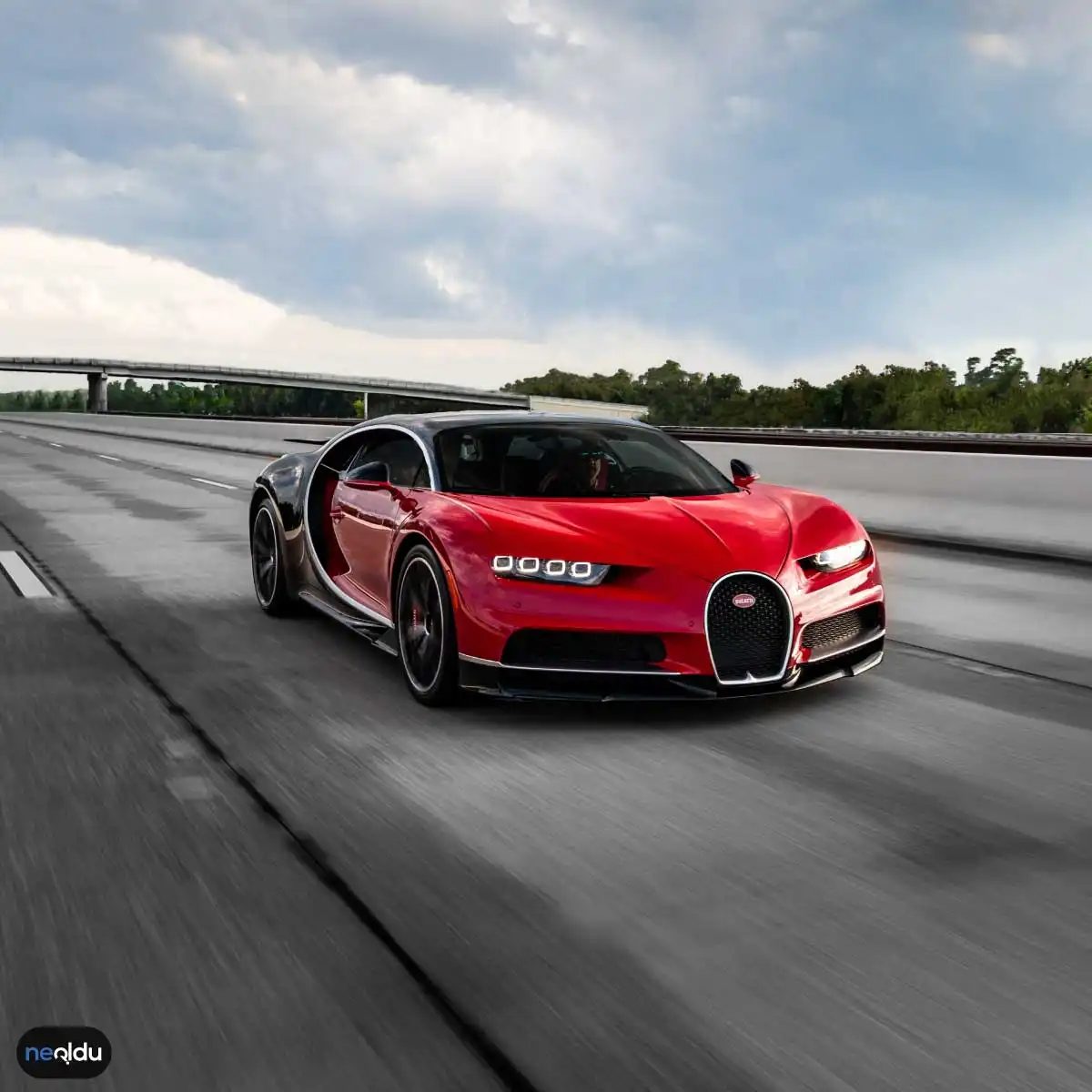
9. Bugatti Chiron
Chiron’un ortaya çıkışı, otomobil dünyasında büyük bir yankı uyandırdı. W16 motorun zirvesi olarak kabul edilen bu araç, 1.500 beygir gücüne sahip. Bu muazzam güç, 4.0 litrelik twin-turbocharged V16 motorundan geliyor. Chiron, sadece hızıyla değil, aynı zamanda lüks ve teknoloji birleşimiyle de dikkat çekiyor. İç mekanda, el yapımı deri detaylar, karbon fiber dokular ve son teknoloji bilgi-eğlence sistemi, sürücü ve yolculara üst düzey bir konfor sağlıyor. Chiron, 2.3 saniyede 0’dan 100 km/s hıza ulaşabiliyor. Maksimum hızı ise 420 km/s’ye kadar çıkıyor. Bu, onu otomobil dünyasının en hızlı araçlarından biri yapıyor.
Chiron’un tasarımı da diğer Bugatti modellerinde olduğu gibi
Mercedes-Maybach Exelero: Tek Parça Bir V8’li Lüks Fetiş
Mercedes-Maybach Exelero tam anlamıyla bir istisna. Normalde lüks otomobillerin sadeliğini veya süper arabaların işlevselliğini beklersiniz. Burada ise ikisinin de ötesinde, tek bir sipariş üzerine üretilmiş bir tarih parçasıyla karşılaşıyorsunuz.
2005 yılında GUMOTION adlı bir Alman şirketi için yapılmış. Neden? Fiyatlı lastik üreticisi Fulda’nın yeni lastiklerini test etmek istemeleri. Bu tek amaç, otomobilin nasıl göründüğünü, ne kadar hızlanabileceğini ve ne kadar konforlu olduğunu kanıtlamak için tasarlanmış tek bir şasi. O günden beri Exelero, otomobil dünyasının en nadide ve en gizemli parçalarından biri olarak kalmaya devam ediyor.
Tasarım dilinde “agresif lüks” tanımı
Exelero’nun önündeki en büyük soru işaretlerinden biri, neden bu kadar büyük ve ağır bir gövde üzerinde çalıştıkları. Sonuçta, sadece lastik test etmek için bir test pisti arabası olması yeterliydi. Ama GUMOTION’un vizyonu farklıydı. Onlar bir “show car” istemişlerdi.
Arabanın tasarımı, uzun hood’u, kısa arkası ve geniş, alçak profilli havalanma kanallarıyla 1930’ların luxury grand tourer’larını hatırlatıyor. Ama bu hatlar modern bir teknik zekâ ile yeniden yorumlanmış. Ön ızgara devasa. Farlar derine gömülmüş. Yan profildeki o uzun çizgi, aracın boyunu abartıyor. Arka tarafta ise geniş, kısa bir kasap arkası var.
İç mekan, dönemin lüks standartlarının zirvesini yansıtıyor. Kahverengi deri döşemeler, ahşap kaplamalar ve kroma detaylar… Her şey ellerde şekillendirilmiş gibi duruyor. Sıradan bir Mercedes’de göreceğiniz plastik parça yok. Bu, bir otomobil değil, bir mühendislik projesi ve bir sanat eseri aynı anda.
Motor ve performans: Büyük V8’in gürültüsü
Kalbinde, 6.0 litrelik bir V8 motor yer alıyor. Bu motor, Mercedes-Benz S600’ün kullandığı M128 kodlu birimle benzerlik gösteriyor. Ama Exelero için özel ayarlar yapılmış. Sonuç olarak, araç 500 beygir gücü üretebiliyor.
Bu güç, 2.5 tonluk bir gövde için fazla mı? Cevap “evet” ama “hayır”.
Araba 0-100 km/s hıza 4.6 saniyede çıkabiliyor. Bu rakam, bugünün hiper arabalarıyla rekabet etmez. Ama Exelero’nun amacı yarışmak değil. Amacı, o 500 beygirlik gücü, o devasa gövde içinde rahat
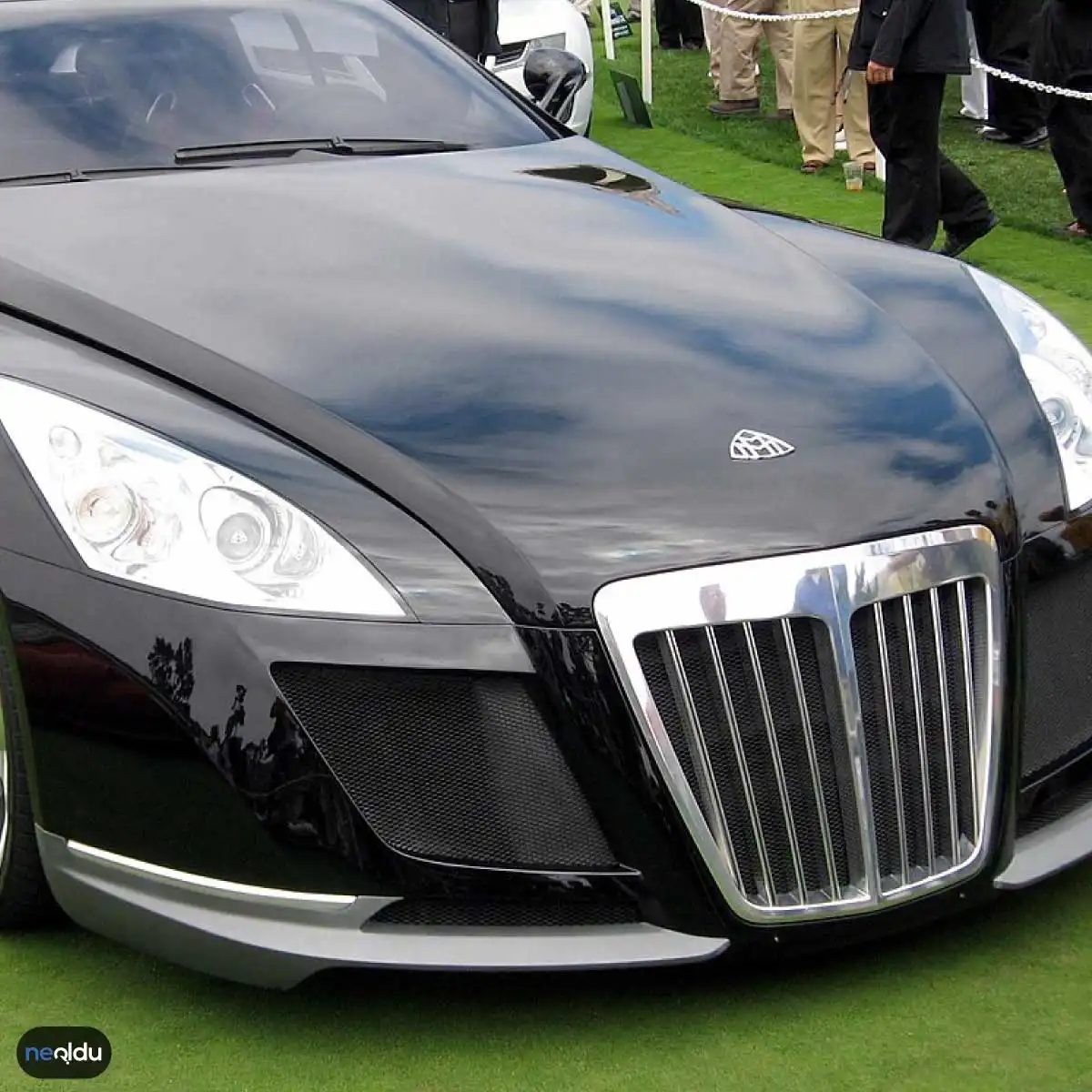
The Mercedes-Maybach Exelero: A One-Off Hypercar Legend
The Mercedes-Maybach Exelero isn’t just a car. It’s a statement carved from carbon fiber and ambition. Produced by Maybach, the luxury sub-brand of Mercedes-Benz, this hypercar blends understated elegance with aggressive performance. It remains one of the most exclusive and expensive automobiles ever conceived.
Design Language: Aggressive Elegance
Exelero’s silhouette is defined by sharp, sweeping lines. The body is long and low, giving it a predatory stance. Up front, a massive, chrome-accented grille dominates the view. Flanking it are large air intakes designed to feed the beast within. The LED headlights cut through the darkness with a cold, focused glare.
Side profile? Pure drama. Wide wheel arches house massive wheels, emphasizing the car’s width. The rear end doesn’t whisper; it shouts. Dual exhaust outlets flank the bumper, hinting at the power lurking underneath. It’s a design that demands attention without screaming for it.
Performance Specs: 700 Horsepower of Twin-Turbo V12
Under the hood lies the heart of the Exelero: a 6.0-liter V12 twin-turbo engine. This isn’t a stock Mercedes engine. It’s a bespoke unit built specifically for this one-off project.
- Power: 700 hp
- Torque: 1,020 Nm
- 0-100 km/h: 4.4 seconds
- Top Speed: Capped at 351 km/h
The acceleration is brutal. In just 4.4 seconds, you go from zero to 100 km/h. That puts it in league with the fastest production cars of its era. The top speed is electronically limited to 351 km/h (about 218 mph), a reasonable cap given the car’s intended use case. It’s not just about going fast; it’s about how you go fast.
Interior: Maybach Luxury Meets Driver Focus
Step inside, and the aggression fades into refined luxury. Maybach doesn’t do cheap. Every surface you touch feels expensive.
- Materials: Hand-stitched leather, polished wood, and brushed aluminum.
- Tech: A digital instrument cluster provides critical data. A large infotainment screen handles navigation and media.
- Comfort: Ergonomically sculpted seats ensure that even at high speeds, the driver remains supported.
It’s a cockpit designed for comfort as much as control. The technology, while advanced for its time, serves the experience rather than distracting from it.
Contextualizing Ultra-Luxury Automotive Value
To understand the Exelero’s place in history, you have to look at what makes any car “expensive.” It’s rarely just the brand name.
Why do some cars cost millions?
Price tags in the hypercar world are driven by scarcity and exclusivity. Factors include:
1. Unique Design: No two Exeleros exist. That uniqueness commands a premium.
2. Materials: Carbon fiber, titanium, hand-finished leather.
3. Performance: Engineering a V12 twin-turbo to produce 700 hp in a package that size is expensive.
4. Limited Production: One-offs have infinite rarity.
What is the most expensive car in the world?
Currently, that title often belongs to the Bugatti La Voiture Noire. Priced at approximately $19 million, it’s a tribute to the legendary Type 57SC Atlantic. Like the Exelero, it’s a one-off. But while the Exelero is a Mercedes-Mercedes collaboration, the Bugatti is pure French hypercar pedigree.
Maintenance of the Exelero and Similar Hypercars
Owning a car like the Exelero isn’t like owning a standard Mercedes. Maintenance costs are astronomical.
- Specialist Labor: You can’t take this to your local mechanic. You need factory-trained specialists.
- Parts Availability: If something breaks, the part might not exist off-the-shelf. It may need to be custom-made.
- Complexity: The twin-turbo V12 system requires meticulous care. Neglect is not an option.
The Exelero remains a singular artifact in automotive history. It never went into mass production. It never will. That’s what makes it special. It’s not just a car. It’s a milestone.