


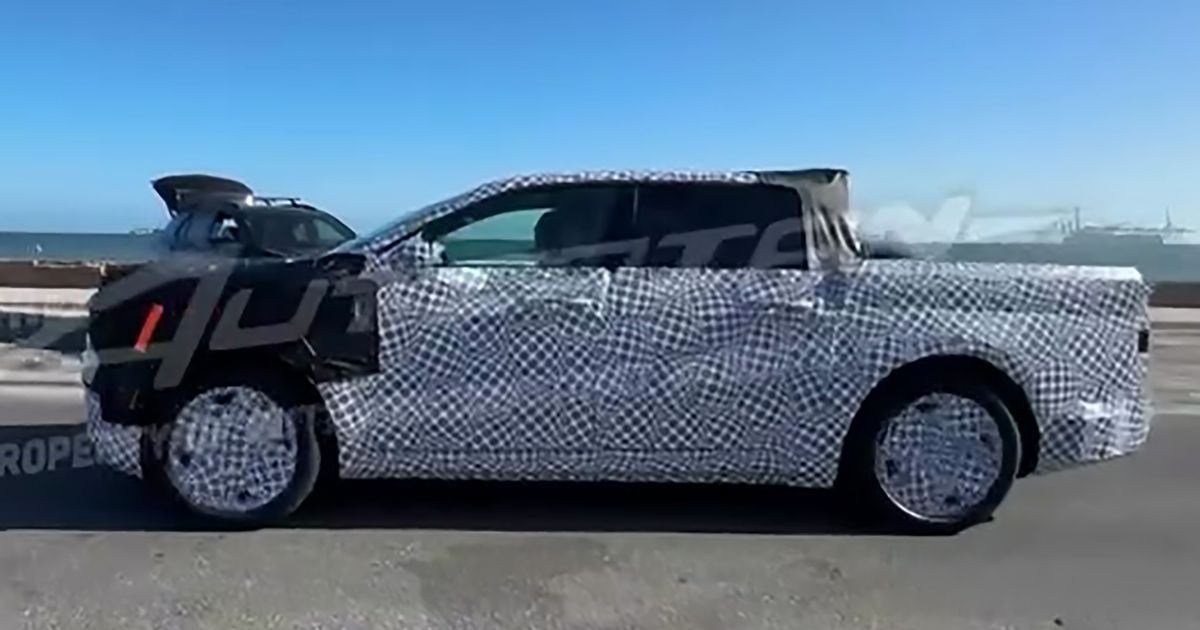
Ford is ditching Google Maps for its next big project. The upcoming budget electric ute, widely rumored to be the return of the Ranchero, will feature Apple Maps as its primary navigation system. It goes into production in 2027.
This isn’t just a one-off choice for a single truck. Every vehicle built on Ford’s new Universal Electric Vehicle (UEV) platform gets Apple Maps. That means the tech stacks up across the board.
Why Ford Chose Apple Maps for Navigation
Why Apple? It’s about integration. Ford says the system will handle turn-by-turn directions, real-time traffic, and incident alerts. More importantly, it offers EV-friendly routing. This includes battery preconditioning before you plug in. A small detail, but one that saves time and range.
Ford is also using Apple’s road-level data for its BlueCruise system. This hands-free highway driving feature is being developed by LatitudeAI. The new ute will offer BlueCruise as an option starting in 2028. It’s a rare move. Most automakers stick to Android Automotive OS because it comes with Google Maps and the Play Store. Ford is breaking from the herd.
How Much Will the New Ranchero Cost?
Price is the real story here. The new ute is set to start at US$30,000. That’s roughly A$43,000. It aims to be one of the cheapest cars in Ford’s entire American lineup. Currently, the Ford Maverick hybrid holds the entry-level spot at US$28,140. The new EV tries to beat it, or at least compete closely.
How does Ford plan to hit that price point? It’s not magic. It’s manufacturing tricks. The team is using gigacasting. This involves stamping out large sections of the car’s frame in single pieces rather than welding dozens of parts. They are also using lithium iron phosphate (LFP) batteries. LFP chemistry is cheaper to make and safer, even if it has a lower energy density.
What Does the Budget EV Platform Look Like?
A spy spotted a prototype in California last June. It looks like a traditional pickup truck. Except for the steeply raked windshield. That’s the only real visual cue that it’s different.
This ute is the firstborn of the UEV architecture. It’s being built by a secret skunkworks team at Ford. But it won’t be the last. Ford plans to use this same platform for a range of other vehicles. We are talking two- and three-row SUVs. Small and mid-size sedans. Even a van. None of these have launch dates yet. The ute is the test case. If it works, the platform scales.
The integration of Apple Maps and LFP batteries signals a shift toward cost-cutting and software reliability over flashy specs.
It remains to be seen if other manufacturers follow Ford’s lead. Google is the entrenched giant in automotive infotainment. Apple has a smaller footprint but a loyal user base. By locking in Apple Maps, Ford is betting that seamless integration outweighs the flexibility of Android apps.
The ute might be revealed later this year. Until then, we watch. Will Apple Maps become the standard for affordable EVs? Or was this just a quirky experiment? The answer lies in 2027 production lines.


