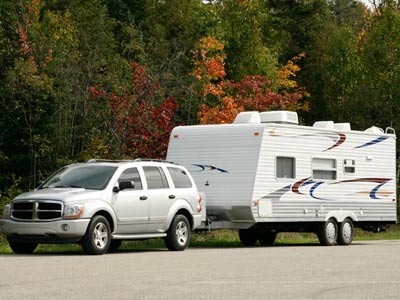
You want the theme of your camping trip to be a dip in the lake and food by the campfire. Don’t fight the police over width restrictions.
Free yourself from office stress. So is your boss. However, the same cannot be said about towing rules. They are there every time you cross a state line.
One memory I never want to leave behind is being pulled over for a towing violation. It ruins the mood. It adds liability costs. It may cause an accident.
The reality of weight and brakes
Don’t get excited about the biggest RV on the market.
Trailer towing regulations in many states limit the length. Width is limited. There are also height restrictions.
Weight is the most important thing. The increased mass makes braking dangerous. If your trailer is too heavy, you need special brakes.
The police may not stop you for bad brakes at first. But if you get into an accident? You will get into trouble. The responsibility will be heavy.
Plan your route
You need more than flashlights and hot dogs.
The safety regulations for towing a trailer must be followed. Find a guide for your state. Check the states you plan to drive through.
What happens if my trailer exceeds the legal limits of a certain state? You may need a special license.
That sounds painful. Towing legislation is a pain.
But the basic situation is manageable. Let’s simplify this. Here are the requirements for all US states. Some states have added even stricter rules.
General device requirements
The rules change when you cross state lines.
You may be legal in Alabama. Illegal in Mississippi.
For example, maximum towing speeds have been reduced in some areas by 16 km/h. The maximum width is reduced by 6 inches (15 cm). The brake weight limit has been reduced by 1,000 pounds.
The rules for multiple trailers are also different. Hauling a camper and a Jet Ski? OK in South Carolina. Illegal in Georgia.
No matter what condition your trailer is in, it needs certain equipment.
- Taillights : Working taillights must be used to ensure basic safety.
- License plate light : The license plate must be clearly visible. It needs its own light.
Most states also require the following general information items:
- Safety Chains : These cross in an X shape. They connect the trailer to the tow vehicle. If the hitch fails, they prevent separation.
- Brake light : Your trailer is not transparent. Cars behind you struggle to see. Own brake lights prevent rear-end collisions.
- Clearance Light : Usually required if the trailer exceeds a certain width.
- Turn Signal : If your trailer interferes with your vehicle’s signal light, add another turn signal.
- Reflector : Very useful for highlighting large trailers.
State-Specific Extras
Some states require more equipment.
- Breakaway brakes : Similar to a safety chain, act when the hitch fails. The electric brake is activated automatically when disengaged.
- Flares : Keep these handy to clear the road after an accident.
- Tie-downs : Secure anything that could fall. Use multiple angles.
Brakes and dimensions
Improper braking is the biggest mistake.
It is easy for those unused to hauling weight. More weight means more momentum. The stopping distance increases.
Most states require trailer brakes when the rig exceeds a weight limit. Sometimes as low as 1,500 pounds (680 kilograms).
Speed increases the danger. All states stipulate a max towing speed. It can be as low as 45 mph (72 kph).
Sizes also vary.
- Width : Usually 8 feet or 8.5 feet.
- Length : The entire rig might be restricted to 53 feet (16 meters). Alternatively, the trailer itself is 35 feet (10.7 meters) tall.
- Height : The upper limit is typically 12-14 feet (3.7-4.3 meters).
What would you do if you had an accident? Insurance is required.
Let’s talk about this next.