彼らは車を売るだけではありません。 彼らは逆説を売りました。
シボレー マリブとその頑丈な兄弟車であるシェベルは、市場で最も革新的な車である必要はありません。 それらはどこにでも存在する必要があります。 そうします。 名前が 2 つのまったく異なる人間の欲望をカバーしていたため、何百万ものバイヤーが列をなしました。 私たちの半数は、オフィスまでの確実で退屈な移動手段を望んでいます。 残りの半分は、純粋なスピードを求めています。
シボレーは、同じバッジに 2 つの顔を配置する方法を考え出しました。
实用的面孔
对于绝大多数美国人来说,马里布是“如何在不花一大笔钱的情况下从 A 点到达 B 点?”的答案。 它是中型的。 这是负担得起的。 它没有崩溃。 这并不令人兴奋,但也没有试图做到这一点。 这是该行动的主要部分。 家庭需要空间。 通勤者需要燃油经济性。 马里布确实做到了这一点。 不用大惊小怪。 没有戏剧。 只是一块坚固、可靠的金属,能够安静地处理日常生活。
Performance benefits
But there is also another side. The side that drives gearheads crazy.
The Chevelle nameplate became synonymous with muscle car supremacy, especially when paired with high-powered engines. It’s not just about looks. It’s about transition. It’s all about torque. When you want a midsize sedan that can run the quarter mile in seconds, you don’t think about the base Malibu. I saw the Chevelle SS.
This is not a compromise. This is a strategy. Chevrolet realized that the same platform could accommodate four or four competitors. I just changed the engine bay. Malibu solves real problems. Chevelle is all about passion.
Why is it effective?
There is no genius in engineering. This is the field of marketing. It satisfies your transportation needs and at the same time your obsession with speed. It is impossible for one car to achieve both goals at the same time without affecting other cars. But two closely related nameplates?
Malibu appeals to practical buyers. Chevelle is appreciated by enthusiasts. Both companies dominate the medium-sized market.
Chevrolet Malibu and Chevelle do more than just fill the garage. They fill a gap in the market that no one else can fill.
Few manufacturers have succeeded at such opposite ends of the same vehicle spectrum. Malibu is a shield. Chevelle has a sword. Chevrolet has both.
From Intermediate to Icon: The Evolution of the Chevrolet Malibu
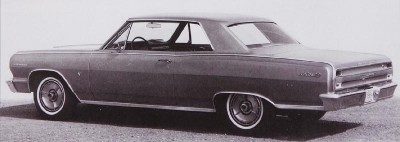
The 1964 Chevrolet Malibu wasn’t just another car. It was the answer to a gap in the lineup. Chevy needed something between the full-size Biscayne, Bel Air, and Impala, and the compact Chevy II or Corvair. They built it. They called the platform the Chevelle. They slapped the Malibu badge on the nicer versions. But sales told a different story.
Chevy moved 338,160 units in that first year. Malibus outsold the base Chevelles by more than two to one. Why? The flair. The styling was square-cut and nicely proportioned. It was roomy. It was affordable. But mostly, it looked the part.
The Super Sport package turned that sporty flair into something dangerous. When 1965 arrived, Chevy dropped the 396-cubic-inch V-8 into the Malibu SS. That engine made 375 horsepower. In a midsize sedan? That was the moment a legend was born.
More Than Just a Muscle Car
People forget this family offered more than just horsepower. The body style list was absurdly broad. You could get a convertible. A hardtop. A sedan. Even a four-door or two-door station wagon. If you wanted to haul lumber or kids, there was a body for that.
The engine bay was just as flexible. Six-cylinders for economy. V-8s for power. A long list of options let you tweak everything from trim to transmission. This versatility carried the car through the curvaceous styling update in 1968. It lasted until 1973, when convertibles were axed. In their place came the “colonnade” roofline. Adventurous design. Clean lines. No B-pillars visible from the side. It was a distinct look that defined the mid-70s.
By 1978, the game changed. Chevy downsized the entire intermediate line. The Chevelle name? Gone. Dropped completely. The line became simply the Malibu. It kept that rear-wheel-drive stalwart status through 1983. But the industry was shifting. Front-wheel drive was the wave. The Chevrolet Celebrity, introduced in 1982, was the future. The rear-wheel-drive Malibu bowed out in 1983.
The Nameplate Lives On
The Malibu name was too strong to leave in the dust. Chevy brought it back. A new midsize car arrived in 1997. It carried the badge. It carried the legacy. The nameplate proved it wasn’t just a passing trend. It was a staple.
Today, the Chevrolet Malibu is still on the road. It has evolved. It has changed platforms. But the lineage traces back to that 1964 debut. Two generations of muscle. Two eras of design. One name that refused to die.
The car you see in the 1964 photos started it all. A Chevy success story written in steel and horsepower.
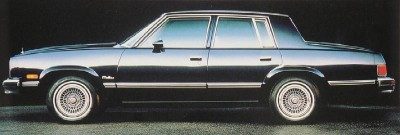
The Malibu brand has endured throughout Chevrolet’s 50-year history. This particular snapshot? 1983 Malibu. We are at the end of an era. The transition model before the nameplate remained dormant until the end of the 1990s.
If you want to learn more about the American iron, this is a good place to start. Muscle Cars takes you back to the golden era. We’re talking tire-smoking Chevys and other high-performance machines that defined an era. It’s a throwback to the days when horsepower was cheap and gravity was optional.
For those who prefer corners rather than straight-line acceleration, the Sports Cars embodies driving pleasure in its purest form. These articles introduce you to the best sports cars from around the world. Not just American muscle, but European precision and Japanese reliability.
Do you need practical advice? The Automotive Consumer Guide section should be your first choice. Full of news, reviews, prices and information on fuel economy and safety. Covers current cars, minivans, SUVs and pickup trucks. No fluff. Just the facts.
Looking for a used car? Consumer guide used car search is important. Whether you’re looking for a used Chevrolet vehicle or another make, these reports highlight safety recalls and known issues. Don’t buy lemons without checking the information first.
Malibu loyalists, remember the name didn’t die in 1983. All About Chevrolet Malibu This guide covers the new era Malibu that was introduced in 1997 and continues to this day. It’s a different car in spirit, but the name carries a lot of weight.
To understand the lineage requires context. How Chevrolet Works tells the story behind this. This book details one of America’s greatest car brands from its inception in 1911. If you don’t know about the 1983 model, you can’t understand the history before it.
1964 Chevrolet Chevelle and Malibu
1964 年のシェベルとマリブが基礎を築きました。 1983 年モデルが製図台にスケッチされる前、60 年代半ばにシボレーの中型車がどのようなものであるかを定義しました。 当時のマリブは単なるトリムレベルではありませんでした。それはシェベル家の中でのユニークなアイデンティティでした。
この歴史は重要です。 これは、1983 年バージョンが合理化されているにもかかわらず、依然としてバッジが付いている理由を説明しています。 これは、急速に変化する市場での関連性を維持しようとする銘板です。
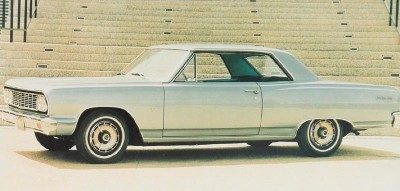
1964 シボレー シェベル: 中型車の空白を埋める
1964 年のシボレー シェベルの導入により、ゼネラル モーターズのラインナップにおける特定のギャップが埋められました。 コンパクトなシボレー II とフルサイズのインパラの間に位置します。 目標は明確です。 フォードはフェアレーンを発売したばかりだ。 シボレーは対応する必要がある。 その結果、すっきりとしたラインとバランスの取れたプロポーションを特徴とする A ボディ シェベルが誕生しました。 そのスタイルは直立している。 エンジニアリングの規約。
デザインは親しみを感じます。 1955~1957年のクラシックなシボレーを彷彿とさせます。 新しい中型車には、見た目の大きな変更が 1 つだけあります。 湾曲したサイドガラス。 これが最も優れた特徴です。 キャビン内は驚くほど広いです。 そのスペースはフルサイズのインパラに匹敵します。 ホイールベースは115インチです。 シボレー II より 5 インチ長く、より大きな車より 4 インチ短かった。
Engine options and performance data
The Chevelle was launched with four engines. These cover the basics of everyday driving.
194-cubic-inch 6-cylinder in-line: 120 horsepower
* 230-cubic-inch inline 6 cylinder: 155 horsepower
283 cubic inch V-8: 195 horsepower
* 283-cubic-inch V-8: 220 horsepower (dual exhaust, 4-barrel carburetor)
Transmission options vary by trim. Base models come with a 2-speed Powerglide automatic transmission or a 3-speed overdrive transmission. Enthusiasts can choose a four-speed manual transmission with a floor shifter.
In the middle of this year, the performance ceiling jumped. The 327-cubic-inch V-8 has arrived. There are two tuning modes. One of them was 250 horsepower. The other has 300 horsepower.
Super Sports Package
The sales catalog promised a little swashbuckling freedom. the Super Sport package can satisfy your wishes. Available in Malibu Sport Coupe or convertible. The price tag is $162 more.
The SS package changes the interior. front bucket seats. The interior was completely lined with vinyl. The gear selector is placed in the center console. The gear lever has a large round knob. Replace the minimal stock setup with full dash instruments. Radial patterned wheel covers borrowed from the Impala SS complete the look.
“Everyone has a bit of swashbuckler in him.”
The external changes are subtle but effective. Gone is the usual beltline trim strip. This creates a clean look for the body. Heavy duty suspension is an option you can add for less than $5.
Sales success and variety of models
The Americans responded well. Sales got off to a promising start. This shows a change in taste preferences. Buyers are interested in making compromises. The car is about a foot shorter and a few inches narrower than a family-friendly large sedan.
The super-sport model option is very popular. About half of Malibu coupe and convertible orders were made as SS models. Total sales of super sports reached 76,860 units. This was more than a quarter of the total Chevelle production that year.
Chevrolet expanded the Chevelle range to five different car models and offers a total of 43 models. The selection includes the following.
- Malibu SS convertible
Series 300 4-door Sedan
Series 300 4-door wagon - Malibu SS hardtop coupe
- El Camino
El Camino is back as a pickup truck. Now part of the Chevelle family. The El Camino Custom option for the El Camino include bucket seats and consoles that mirror the interior of the SS.
The top model is still the Malibu SS. SS emblems are standard on the door panels and in the glove box. A functioning instrument panel and center console are part of the SS’s basic equipment.
The 1964 Chevelle showed that Americans wanted something smaller than a full-size and more durable than a compact. This is a response to market pressures. The design is just right no matter what angle you look at it from. The numbers tell you this. Half of the SS coupes come with a performance package. The midsize segment is officially Chevrolet’s again.
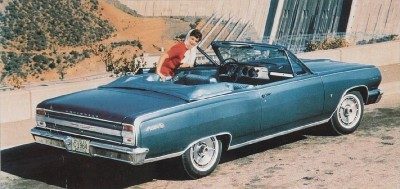
1964 Chevelle Lineup Data
The 1964 Chevelle was more than just a car. It’s a hierarchy. You can go to the dealer and choose your poison from three different levels. The stand Chevelle 300 is located at the bottom. This is the entry level option. The lightest. Heaviest on the budget. The weight starts at 2,250 lbs and increases to 3,270 lbs with the help of accessories. price tag? $2,231 to $2,674. Chevrolet sold about 68,300 of these base models. They are the main force. Reliable. Modest.
Then there’s the Chevelle Malibu. The step up. The volume seller. Weight is slightly heavier, ranging from 2,850 pounds to 3,365 pounds. Prices jump from $2,340 to $2,852. But what about sales? Massive. About 149,000 Malibus rolled off the assembly line. It became the default choice for families looking for style without the SS badge.
At the top is the Malibu SS. Short for Sport Sedan, there are also coupe and convertible body styles. This is the aura of performance. It shed some weight compared to the regular Malibu (2,875 to 3,145 lbs). The sticker price reflected its status $2,538-$2,857. Chevrolet produced 76,860 units of this performance-focused machine. The convertible version mentioned in the header? This was part of the SS package, which was rare even at the time.
Why the Weight Matters
もう一度数字を見てください。 基本の 300 とレンジトップの SS の間にはかなりの重量の重複があります。 エアコン、パワーステアリング、パワーブレーキを備えた 300 は、実際には SS よりも重い可能性があります。 SSは、サスペンションのチューニングとコンポーネントの小型化により重量を軽減しています。 車両重量が軽いため、SS はスペックよりもパワフルに感じられます。 馬力は一つのことです。 その力がアスファルトにどのように変換されるかは別の問題です。 SSにはそれに対処するのに十分なシャーシがあった。 300にはそれを駆動するエンジンが搭載されています。 マリブはその中間に位置し、快適さと機能性の最高の組み合わせを提供します。
Beyond the ’64 Snapshot
If you’re looking for more information on these Golden Age Chevrolets, the trail doesn’t end at 1964. The Malibu nameplate has survived the muscle car decline. It was revived in 1997 and evolved into a modern sedan. The legacy is long.
For those interested in the wider context:
– Muscle Cars: Dive into the era of tire smoke and straight-line speed. The 1964 Chevelle was part of a larger movement.
– Sports Cars: If you prefer handling over horsepower, check out the best sports cars in the world.
– Automotive Consumer Guide: Get the latest news, safety ratings and fuel economy on the latest trucks, SUVs and cars.
– Used car search: Buying a classic Chevy? Please review the safety reminders and frequently asked questions before purchasing.
-**
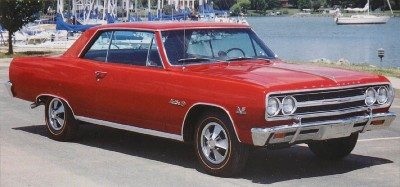
1965 Chevelle Clean Facelift and rare performance model
The 1965 Chevrolet Chevelle was sharper than its predecessor. This is not a complete redesign. It’s a sophisticated evolution. The body stretched 2.7 inches and the sat lower 1.3 inches. The wheelbase remains at 115 inches. But the visual changes were immediate.
The front has a V-shaped grill. The taillights are larger, giving it a more aggressive look. There is a deeper cover on the inside of the dashboard. This simple adjustment eliminates windshield glare for the driver. It’s a small detail, but it matters every time you hit the road.
Chevrolet offered four trim levels for the 1965 model year. The 300 and 300 DeLuxe are the entry level. Above that sits the Malibu and the high-performance Malibu SS. Malibu is the best-selling model. A total of 152,200 of them were sold. This dominance leaves little room for a sports version unless it’s something rare.
The engine compartment options cover the range. The base model starts with a 194-cubic-inch Hi-Thrift inline six-cylinder. It produced 120 horsepower. It’s enough for a commuting. It’s not exciting. For more horsepower, the 230-cubic-inch six-cylinder engine makes 140 horsepower. Next is the V-8. The Turbo-Fire 283 produces 195 horsepower. The 327-cubic-inch V8 is available in three models with 250, 300 or 350 horsepower.
The Transmission choices are just as versatile. Introduces a new fully synchronized 3-speed column shift. It’s much smoother than before. But it’s often overlooked by purists and performance buyers. Many Chevelles left the factory with a Powerglide automatic transmission or a 4-speed manual transmission.
The Super Sports coupe and convertibles are different in appearance from the standard model. They lost most of the 1964 chrome brightwork. The appearance is also cleaner. It’s darker. In the interior, the front bucket seats have new textured vinyl upholstery. The center console is between them. This styling hint helped start the trend. The black accent will be a staple of sporty cars for years to come.
伝説の 1965 シェベル マリブ SS 396
1965 年に建造された 101,577の SS シェベルのうち、one variantが傑出しています。 SS396。 これはその中で最も珍しいものです。 フェンダーにはクロスフラッグのエンブレムが施されている。 ボンネットの下には、375 馬力、396 立方インチの新しい「ポーキュパイン」 V-8 エンジンが搭載されています。
このエンジンはただ大きいだけではありません。 それはpotent。 SS 396 はまさに野獣でした。 しかし、希少性には代償が伴います。 Z16 パッケージは車両価格に 1,501 ドル追加します。 1965 年にとって、それは大きなプレミアムでした。 ほとんどの購入者はその出費を正当化できません。
これらの特定のマッスルカーは 201 台のみ生産されました
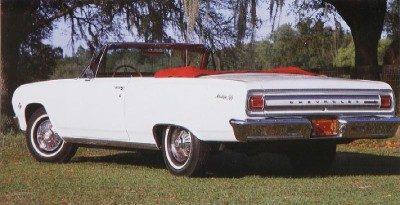
The highlight is definitely the 1965 Chevrolet Chevelle Malibu SS Cabriolet. Under the hood is a 283-cubic-inch V-8 engine, but it’s not the beefy version that enthusiasts usually look for. Its characteristic power is 195 horsepower. It’s a nice mill for a light car, but it lacks the high compression cam and big valves that make it a really great SS badge for drag racing. If you want the true performance of a ’65 Malibu, you need to spec the 327 cu.in option.
1965 Model Breakdown
Chevrolet divides its product range into three different levels. The base Chevelle 300 is the entry point. Weight ranges from 2,870 to 3,320 pounds depending on body style and engine choice. New buyers pay $2,156 to $2,674. General Motors produced approximately 73,200 of these vehicles.
The Chevelle Malibu sits right in the middle. Weight is slightly higher from 2,930 pounds to 3,355 pounds. Prices will increase from $2,250 to $2,755. This is a volume seller. Chevrolet sold 152,200 units. The Malibu offers better trim, comfort and a wider range of engine options than the base 300.
Then there’s the Chevelle Malibu SS. This is the performance halo. Weight ranges from 2,980 to 3,210 pounds. Prices reflect the added hardware and range from $2,539 to $2,858. Chevrolet produced a total of 101,577 units. The number is huge considering how many survive today in original or restored condition. The SS package includes upgraded suspension, improved brakes and unique badging.
Looking for a 1965 Chevelle
If you look at the numbers, you’ll see that the 1965 Chevrolet Chevelle is the sweet spot in muscle car history. This is already the second year for this model. The design is very neat. The frame is sturdy. However, this is not the final development. The 1966 model brought a wider track and a more aggressive stance. The 1965 model felt more refined and less bulky.
If you are looking for a specific configuration, the 1965 Chevelle Malibu SS is the most popular. But don’t ignore the base 300. Cheaper to buy. They are easier to restore. with a small-block swap, they can be just as fast. The Malibu SS commands a premium. Prices vary depending on body style, engine and condition. A convertible with matching numbers with a 327/350 horsepower engine costs much more than a hardtop with a base 230hp inline-six.
Why the 1965 Chevelle Matters
1965 年のシェベルは単なる中型車ではありませんでした。 それはセグメントを定義するのに役立ちました。 フォードにはファルコンがあるし、
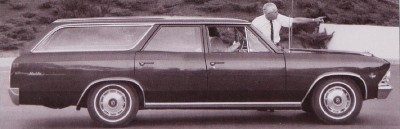
The 1966 Chevrolet Chevelle Restyle
Chevrolet didn’t just tweak the Chevelle for 1966. They redid it. The sheet metal got smoother. The grille widened. The bumpers followed suit. Side windows curved along the doors instead of sitting flat. It was a cleaner look.
The Malibu series gained a new body style: the Sport Sedan. It looked like a hardtop. The Sport Coupe also got a new roofline. The rear window was recessed deep into the body. People called it “tunneled.” It changed how the car sat visually.
The 1966 Chevrolet Chevelle SS 396
Only one trim level earned the Super Sport badge this year. You needed the 396-cubic-inch V-8 to get it. The rest of the lineup could not claim the SS moniker.
Chevrolet took Malibu bodies and strengthened them. The frames were reinforced. The front suspension was reworked for performance. Springs were stiffer. Shocks were recalibrated. The front stabilizer bar was thicker. This setup handled the extra weight and power.
Visual cues separated the SS from the standard Malibu. Simulated hood scoops sat on the deck. Red-stripe tires wrapped the wheels. Bright trim moldings ran along the sides. All transmissions were floor-shifted. No column shifter options here.
Production numbers tell the story. Chevrolet built 72,300 SS 396s. That is a solid run for a performance variant. Compare that to the 241,600 regular Malibus produced in five different body styles. The base model outsold the badge-heavy version by a wide margin.
Engine Choices and Performance
The heart of the SS 396 was the big-block V-8. Buyers could choose between 325 horsepower or 360 horsepower. Less than a hundred cars got the top-tier 375-horsepower version. It was rare. It was desirable.
Marketing for the car was direct. An advertisement described the SS 396 as “a machine for the guy who’d rather drive than fly.” It wasn’t flashy like an imported sports car. It wasn’t extravagant. But it was effective.
Standard Chevelle Trims
The entry-level Chevelles stayed simple. You had the 300, the 300 Deluxe, and the Malibu. These didn’t have the SS package.
Engine options were more modest here. The base engine could be a six-cylinder. Or you could step up to a 327-cubic-inch V-8. A mid-level option was a 283-cubic-inch V-8 making 220 horsepower.
You could spec these cars up if you wanted. Add a tachometer. Mag-style wheel covers. Sintered-metallic brakes. Judicious attention to the option list could turn a basic commuter into something closer to a performance car. It just cost more.
1966 Chevrolet Chevelle and Malibu Facts
| Model | Weight range (lbs.) | Price range (new) | Number built |
|---|---|---|---|
| Chevelle 300 | 2,895-3,350 | $2,156-$2,681 | 66,200 (approx.) |
| Chevelle Malibu | 2,935-3,375 | $2,352-$2,766 | 241,600 (approx.) |
| Chevelle Malibu SS | 3,375-3,470 | $2,776-$2,984 | 72,300 |
The data shows the spread. The SS was heavier. It was also more expensive. But the volume was lower. Most buyers picked the standard Malibu. They wanted the Chevelle name without the SS complexity or cost.
Looking Ahead
This restyle set the stage for what came next. The 1967 model year would bring more changes. Bigger grilles. More power. More muscle.
For those interested in the broader context, there are resources covering the golden age of American high performance. You can find detailed histories of Chevrolet dating back to 1911. There are also guides for used car buyers looking for safety recalls and trouble spots. The Malibu nameplate survived long past 1966, evolving through the 1983 model and continuing into the modern era starting in 1997.
But in 1966, it was about the 396. It was about the tunneled rear window. It was about a car that promised to keep you on the road.
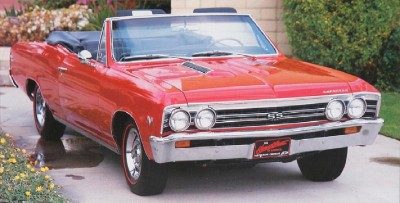
1967 Chevelle styling and technical changes
The 1967 Chevrolet Chevelle lost some visual weight. The sheet metal was tweaked to lengthen the silhouette, giving it a longer and slimmer stance compared to its predecessor. It is equipped with a new rear end that combines larger, more prominent taillights with standard backup lights. The Malibu shares this updated body, but the changes are subtle across both lines. You don’t need a tape measure to find them. All you need is an eye.
Inside, the sales pitch of 1967 resonates. The pamphlet claims that when you sat in the cabin, you have a “powerful urge to drive.” Safety was also recognized. became available across the entire model range front disc brakes. Chevrolet also introduced a dual master cylinder brake system with a dashboard warning light to warn the driver of a drop in pressure.
Super sports cars have their own identity. It has a unique grille design and bright decorations around the wheel wells. Threshold panels in shades of gray run along the sides. The hood is dome-shaped and has virtual air intakes that add an aggressive look. Under the hood, things got weird for a while. The 375-horsepower, 396-cubic-inch V8 engine has officially been removed from the options list. Dealers don’t care. In any case, a total of 612 were built.
Power ratings shifted elsewhere. The step-up engine of the Super Sport 396 drops from 360 horsepower to 350 horsepower. The base V-8 engine has a steady 325 horsepower. Chevrolet released about 63,000 Super Sports cars that year. The “Quick-Size” SS 396 sports coupe and convertible were sold as “driver’s cars”. Malibus, on the other hand, leans more toward family-oriented luxury, while the 300 Series keeps prices low.
Choosing a configuration can be a headache. Buyers can choose from six different transmissions. Two 3-speed manual transmissions, one 4-speed, one overdrive and two automatics. The options expanded rapidly. Add Superlift Air Shocks for a smoother ride. Strato-ease headrests were available for neck support. A special instrument package let you watch the gauges tick.
Chevrolet’s top news is the new Camaro. However, the Chevelle offers a more traditional sporty feel. It’s a bigger car. Heavier. The models include the SS convertible and the SS-2-door hardtop. The ad highlighted the manual-shift feature of the Turbo Hydra-Matic transmission. You don’t have to lift your foot off the gas pedal to change gears. Do you need this kind of control?
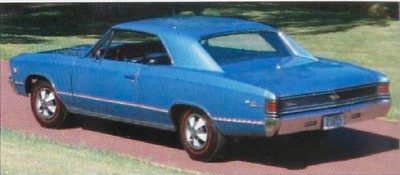
The 1967 Chevelle SS 396 two-door hardtop is at the top of the food chain in this year’s lineup. But when you look at the bigger picture, the Chevelle family tree branches out into several different varieties, each with its own weight, price tag, and production numbers. It wasn’t just a car; it was a spectrum.
Let’s look at the base model 300. It’s the lightest option on the list, weighing in at 2,935 to 3,360 pounds. At the time, you could pick one up for between $2,221 and $2,725. Chevrolet built about 51,000 of them. Not bad for an entry-level badge.
Then there’s Malibu. Slightly heavier than the 300, 2,980 to 3,390 pounds. The price went up a bit, bringing you between $2,400 and $2,801. About 227,800 units rolled off the production line, making it a bestseller. This figure dwarfs the others.
Would you like something more upscale? The Concours trim. This was a dress-up version. Weight rose from 3,270 to 3,405 pounds, and the price reflected that prestige: $2,827 to $2,933. Only about 27,300 examples were built. Less common. Softer.
And then the Super Sport. This is where muscle cars lived. Weight increased significantly to 3,415-3,485 pounds. They paid between $2,825 and $3,033 for this privilege. About 63,000 of them were produced. If you wanted performance, you should this was the badge to wear.
The Super Sport was the performance leader, but the Malibu was the volume king.
Looking ahead, the calendar will turn to 1968. The Chevelle and Malibu names will remain, but the landscape will change. The formula remains the same, but the details change. What’s new for next year?
1968 Chevrolet Chevelle and Malibu
The 1968 models brought subtle updates. The body shapes remained familiar, but the interior and mechanical improvements were visible. The SS 396 remained the poster child for horsepower. But the competition intensified. Ford and Plymouth were not sleeping.
Prices rose slightly across the board. Inflation was creeping in. The weight figures stayed in the same ballpark, but safety features began to play a greater role in the design. Bumpers got bigger. Glass got thicker.
Malibu still dominated sales. The base model 300 was dropped in some configurations and replaced with more standard Malibu versions. Concours remained a niche option. The Super Sport focused more on performance than just looks.
How did the 1968 Chevelle compare to the 1967 model? Mostly in the details. In 1967, there was that clean pre-heat-emission look. The
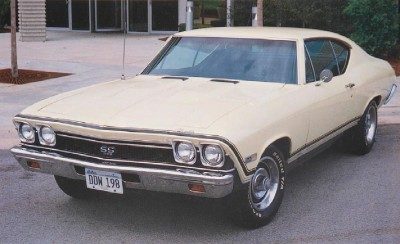
The 1968 Chevelle Redefined
The 1968 Chevrolet Chevelle wasn’t just a model year update; it was a complete reinvention. Chevrolet scrapped the previous generation’s boxy aesthetics for a body that felt sculpted, sleek, and significantly lower. The silhouette was classic late-60s muscle car: long hood, short deck, and a distinct “kick-up” at the rear quarter panels. Tapered front fenders and a rounded beltline gave it a stance that looked fast even when parked.
This wasn’t just about style, though. The engineering changed too. While 1967 models sat on a uniform 115-inch wheelbase, the 1968 lineup split. Coupes and convertibles shrank to a sportier 112-inch span, making them more agile. Sedans and wagons stretched out to a 116-inch wheelbase to accommodate their larger passenger volumes. Tread width also grew by an inch at both axles, widening the car’s footprint for better stability.
The SS 396: Stripped Down for Speed
At the top of the food chain sat the 1968 Chevrolet Chevelle SS 396. Chevrolet recognized that the muscle car market was heating up, so they made the SS 396 a standalone series for the first time. They stripped away unnecessary trim to let the car’s lines breathe. There were no busy badges or cluttered moldings—just clean body lines interrupted by subtle rocker panel moldings and prominent SS 396 insignias centered on the grille and below the decklid.
Under the hood, the standard engine was the 396-cubic-inch Turbo-Jet V-8, rated at 325 horsepower. It sat beneath a special twin-domed hood that hinted at the power lurking inside. For those who wanted more, a 350-horsepower version of the 396 was available. The brochure promised that the SS 396 “makes you wish for tougher twists and turns,” highlighting its any-kind-of-road hugging stability.
The SS 396 rode on F70x14 tires with red stripes, black-accented to match the aggressive exterior. Pricing started at $2,899 for the Sport Coupe. That was $236 more than a comparable Malibu with a 307-cubic-inch V-8, but for the performance, it was a small premium. Buyers could spec an all-vinyl interior with bucket seats and a console for extra comfort.
Production numbers tell a story of preference. Chevrolet built 60,499 SS 396 hardtops. Convertibles? Just 2,286. The hardtop’s semi-fastback roofline was the trend of the era, and buyers clearly favored the sleeker, more permanent-looking shape.
Luxury Finds: The Concours and Malibu
Not everyone wanted tire-smoking acceleration. Chevrolet covered the luxury base with the new Concours Sport Sedan. This model focused on refinement, featuring “splendid interior appointments,” special sound insulation, and a deep-padded instrument panel with simulated woodgrain. The interior was all-vinyl, color-keyed to the exterior, offering a quieter, more plush experience than the standard Chevelle.
The Malibu gained a new Sport Sedan body style this year, bridging the gap between the utilitarian sedan and the luxury-focused Concours. Meanwhile, the station wagon lineup remained robust with four distinct Chevelle wagon models, including the Concours Estate Wagon for those who needed cargo space without sacrificing prestige.
Base engines for the regular Chevelle line started modestly. A 140-horsepower Turbo-Thrift six-cylinder was the entry point. The new 200-horsepower Turbo-Fire 307 V-8 offered a better balance of power and efficiency. Up the ladder, a 325-horsepower rendition of the 327-cubic-inch V-8 kept the performance options varied for the average buyer.
1968 Chevelle and Malibu Specifications
| Model | Weight Range (lbs.) | Price Range (New) | Number Built |
|---|---|---|---|
| 300 | 3,020-3,545 | $2,341-$2,841 | 55,800 (approx.) |
| Malibu | 3,070-3,575 | $2,524-$2,951 | 266,300 (approx.) |
| Concours | 3,450-3,580 | $2,978-$3,083 | NA |
| SS 396 | 3,550-3,570 | $2,899-$3,102 | 62,785 |
The SS 396 weighed in at roughly 3,550 to 3,570 pounds. Despite the weight, the power-to-weight ratio was compelling. The price spread from $2,899 to $3,102 reflected the options buyers could pile onto the chassis.
GM also introduced the Hide-A-Way wiper system for top-trim models like the SS 396 and the Concours. The wiper blades hid beneath a panel when not in use, keeping the windshield clean and the aesthetic uncluttered. Lesser Chevelles received this feature later in the year.
The 1968 Chevelle proved that Chevrolet could still punch above its weight class. The mid-size segment was becoming a battlefield, and the Chevelle entered the fray with a sharper look, a wider stance, and engines that could back up the styling. It wasn’t just a car; it was a statement that muscle wasn’t just about size anymore—it was about proportion and intent.
The 1969 model year would push this evolution further, but 1968 set the stage. The SS 396 became the benchmark, the Malibu found its niche, and the Concours offered an alternative to the noise and smoke. Chevrolet didn’t just participate in the muscle car revolution; they helped define its mid-size form.
For those tracking the lineage, the shift in wheelbase and the introduction of the Hide-A-Way wipers were subtle but significant markers of the era’s design philosophy. The Chevelle was becoming a mature product, one that could commute in luxury or burn rubber on the weekends without changing clothes.
The numbers don’t lie. With nearly 63,000 SS 396s built, demand was high. The hardtop’s dominance suggests buyers prioritized style and structural rigidity over the convertible lifestyle. It was a pragmatic choice wrapped in aggressive styling.
What happens when the competition catches up? The 1968 Chevelle was fast, but the road ahead was getting crowded. The 1969 models would have to answer to a new standard.
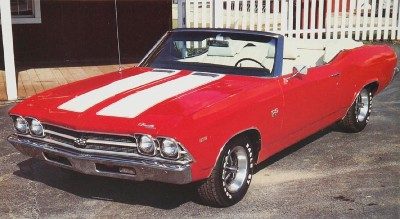
1969 Chevelle SS 396: Mid-size muscle makeover
The 1969 model year marked a subtle but significant turning point for the 1969 Chevrolet Chevelle and Malibu lineup. While Chevrolet still likes to boast that these are “America’s most popular midsize cars,” the real story is how they serve two very different buyers: muscle car enthusiasts and families looking for a smaller footprint than a full-size Impala.
Style updates happen in stages. The front loses its sharp edges and becomes softer and rounder. A chrome strip bridges the quad headlights, and the bumper integrates the parking lights directly into the slotted design. At the rear, the taillights are taller and more vertical, extending into the quarter panels for a more elegant profile.
Inside, technology begins to catch up with comfort. Especially on the Malibu and 300 Deluxe Sport Coupe models, the old-school air vents are phased out in favor of an astro-ventilation system that brings fresh air into the cabin. The instrumentation have also been updated. The old linear instrument panel has been replaced by a new round pods, which gives the dashboard a cleaner and more precise look.
SS 396 is an option
In terms of assembly, we have simplified the assembly. Chevrolet has reduced its hierarchy to two major series: the 300 Deluxe and the Malibu. The big news for enthusiasts is the lowering of the SS package. It is no longer a standalone series. Instead, the 1969 Chevrolet Chevelle SS 396 is now a $347.60 option package on the two-door body style.
This means you can strip a base 300 Deluxe and bolt on the muscle. The SS package can be installed on hardtops, convertibles and even pillar coupes. The visual features are obvious. The double-domed hood features the engine, a black grille with SS badging, a black rear panel, and red-striped tires wrapped around chrome sports rims.
Under the hood, the base V8 engine is a 396-cubic-inch unit that produces 265 or 325 horsepower. But this is just the beginning. The options list becomes more aggressive. Buyers can choose a 350 hp or 375 hp engine. On rare occasions, a few Chevrolets were equipped with the 427 cubic-inch V-8 engine, but it was usually reserved for Chevrolet full-size trucks and sedans.
Wagons and features
The practicality of living has not been neglected either. There are three types of Chevelle wagons: Concours, Nomad and Greenbrier. The Greenbrier badge, previously associated with the boxy Corvair van, is back here. This wagon is 208 inches long, more than 10 inches longer than the coupes, and features a nifty dual-function tailgate. It can lift up like a traditional hatch or open sideways like a panel door, which solves the problem of tight parking spaces.
Standard equipment includes headlight washers, electric windows, electric locks and rear window defroster.
The manufactured figures tell the story of the era. The overall production of the Chevelle line is growing, but the Malibu is clearly the star. Less than 7% of Malibus left the factory with six-cylinder engines. More than 86,000 buyers chose the SS 396 option package instead. The muscle car haven’t just arrived. This has become the default choice for midsize buyers in the US.
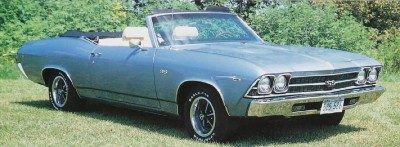
1970 年モデルは、シボレー シェベルの高性能時代の絶対的な頂点をマークしました。 伝説的な454立方インチのビッグブロックがSSラインナップで提供されるのは今年が最後であり、中型のシェベルをフルサイズの巨人に対する正当なマッスルカーの脅威にする構成となっている。 しかし、パフォーマンスには文字通りにも比喩的にも高額な代償が伴います。
1970 ラインナップ: 二つの体の物語
シボレーはシェベルのネームプレートを 2 つの異なるモデルに分割しました。この戦略は、購入者にとっては混乱を招く一方で、市場での位置付けを明確にするものでした。
シェベル
こちらはエントリーモデルです。 地面に低く設置され、基本装備を搭載しています。 同じ V8 オプションを提供しますが、シャーシとサスペンションはコーナリングよりも快適性を重視して調整されることがよくあります。
シェベル マリブ
マリブは高級感のあるトリムです。 より多くのクロム、より優れたインテリア素材、そしてわずかに洗練された乗り心地を備えています。 ほとんどのファンにとって、マリブ SS は、重いアメリカン V8 車としては、シャープな外観、意地悪なサウンド、そして優れたハンドリングを兼ね備えたモデルです。
パワートレイン: ビッグブロックとスモールブロック
Under the hood, Chevrolet offers a variety of engines, but the headlines are limited to the big engines.
スモールブロック:
* 250 CI Inline-6: Standard engine. Slow, efficient and forgettable.
* 307 CI V8: Small-block V8 with a very short stroke. 200 horsepower. This is a financial choice, not a performance choice.
* 350 CI V8: Main product. Powers range from 250 horsepower (low compression) to 350 horsepower (high performance). The engine is versatile, reliable and parts are easy to find.
** ビッグブロック: **
* 396 CI V8: Available in 325 hp and 350 hp versions. Although still valid, it is being phased out in favor of larger displacement engines.
* 454 CI V8: 最高傑作。
* 450 HP (LS5): Big block for street use. Power is rated at 450 horsepower, but conservative rating practices suggest actual output is closer to 425-430 horsepower.
* 450 HP (L78): Powerful option. Requires 4 speed manual transmission and heavy duty suspension. This engine made the Chevelle SS 454 a legend.
SS 454: King of the Hill
The Chevelle SS 454 was the defining car of 1970. This is more than just a バッジ。 This is a package that includes:
- **Heavy duty suspensions: ** Stiffer springs, larger anti-roll bars and reinforced control arms.
- 4-speed manual transmission: The M21 “Close Ratio” 4-speed transmission is the choice of performance drivers. The TH400 automatic transmission was introduced, but the character of the car changed.
- Wide tires: 15×8 inch Goodyear Polyglas tires
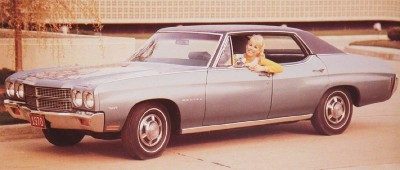
1970 Chevelle lineup moves to Malibu
The year 1970 was a decisive turning point for GM’s mid-size car family. Chevrolet made a big splash with the 1970 Chevrolet Malibu, making it the brand’s default entry for the season. When the showroom opened, the Malibu was the only product available. It wasn’t until later in the production cycle that the stripped 1970 Chevrolet Chevelle returned to the market, resurrecting the old 300 Deluxe trim and offered strictly as a sports coupe or sedan.
Malibu itself is a chameleon. Buyers can choose a sports coupe, sports sedan, convertible, or standard four-door. Fans of the show are no exception. The selection includes two different supersport upgrades. The sheet is hard-edged and loses some of last year’s curves due to the boxer and more aggressive stance. The interior has also been updated, and soft lines have been abandoned for sharper ones.
Engine options and basic information
Behind the scenes, there are many choices from small to large. The base engine is a 155-horsepower inline-six, a solid but boring option for those who don’t want to think about horsepower at all. Step into the 200-horsepower 307cc V-8 and you’ve got a great cruiser. But the real action starts with the 350 V-8 and 330 horsepower 400cc V-8.
New technology has also been brought into the cockpit. Power door locks and handle-mounted wiper controls joined the list of accessories, modernizing the cabin for a decade and quickly increasing comfort.
Of the 354,855 Chevelles built that year, a large portion of 53,599 were SS badges. Only 3,733 of these Chevelles were powered by the massive 454cc V-8. The rest chose the smaller Big Block or Small Block 350.
SS 396: Balance Muscle Pack
The SS 396 Chevelle is a favorite among many buyers. It featured a 350-horsepower turbojet “396” V-8 engine, a special suspension tuned for traction, and a unique “power dome” hood. The front end features a black grille, while the rear has a flexible bumper insert to withstand the inevitable car park scrapes. Wide oval tires wrap around sporty wheels, giving you a pedal-to-wheel feel.
There was already a 375 horsepower version of the 396, but few people bought it. The price increases brought the total cost too close to the final Chevelle, the SS 454. Why should you pay less for electricity when the cap is not far away?
SS 454 和 LS-6:纯粹速度
SS 454 名副其实。 标准输出为 360 马力,速度足够快了。 但小册子承诺了更多。 它描述了一个“艰难的”,而且还可以变得更加艰难。
顶级选项是 LS-6 。 这款坚固的升降机、高压缩力怪物可输出 450 马力 。 它不仅仅是一辆街车
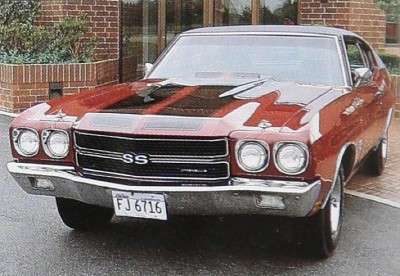
1971: The Chevelle’s Final Stand in Form and Function
The 1971 model year marked a significant pivot point for the mid-sized GM platform. As the muscle car era began to tighten under new emissions regulations and rising insurance costs, Chevrolet responded by smoothing out the edges. The sharp, aggressive lines of the late 60s gave way to a softer, more rounded aesthetic. It wasn’t just cosmetic; the new body panels were thicker to meet updated bumper impact standards.
Weight Creep and Horsepower Reality Checks
Let’s look at the numbers, because they tell the real story of why the 1970 LS-6 feels so much more potent than its 1971 successor. The trend was clear: as safety features added weight, manufacturers had to dial back performance to maintain acceptable fuel economy and emissions levels.
The Chevelle nameplate continued to dominate sales, but the Malibu trim began to carve out its own identity as the more refined, family-oriented option.
1971 Chevrolet Chevelle and Malibu Specifications
| Model | Weight Range (lbs.) | Price Range (New) | Units Produced |
|---|---|---|---|
| Chevelle | 3,243–3,435 | $2,720–$2,900 | 334,512 |
| Malibu | 3,300–3,490 | $2,800–$3,100 | 75,850 |
| Station Wagon | 3,700–3,950 | $3,000–$3,550 | NA |
Notice the weight gain? The base Chevelle jumped nearly 100 pounds compared to its 1970 counterpart. That extra heft came from reinforced front ends, thicker glass, and heavier bumpers. For enthusiasts, this was a bitter pill to swallow. The legendary LS-6 454 cubic-inch V-8, which delivered a raw 450 horsepower in 1970, was gone.
What Happened to the Big Block?
The 1971 Chevelle still offered big-block options, but the ratings changed. The 454 cubic-inch engine was now rated at 360 horsepower (gross). Some argued this was a significant drop, but context matters. SAE gross ratings had been used since the 1970 model year, but by 1972, the industry would switch to SAE net ratings, which measure power at the flywheel with all accessories attached. The 1971 rating was a transitional number that left many buyers feeling shortchanged.
Still, for those who wanted power, the Chevrolet Chevelle SS 454 remained available. It featured a four-barrel carburetor, heavy-duty suspension, and distinctive badging. If you’re looking for a 1971 Chevelle SS 454 restoration guide, you’ll find that parts availability is mixed. The big-block engines were less common than the small-block 396, making original examples prized by collectors.
The Malibu Takes Center Stage
While the Che
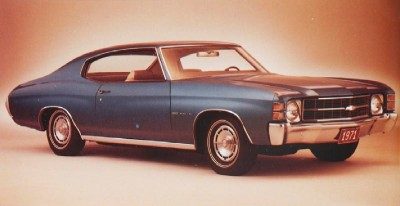
1971 Chevelle and Malibu: The Face of a Muscle Car Era
The 1971 model year brought a distinct visual overhaul to the Chevrolet Chevelle lineup, with the Malibu serving as the series anchor. The most immediate change was the front fascia. Gone were the dual headlight setups that defined previous generations. In their place, Chevrolet installed large, single Power-Beam headlights. These weren’t just aesthetic tweaks; they were integrated into a reworked grille and bumper assembly, with park and signal lights built directly into the structure. The rear followed suit with new dual round taillights that merged seamlessly into the bumper design.
This styling update wrapped around a wide range of body styles. Buyers could choose from hardtop coupes, sedans with pillars, station wagons, and even a convertible. The Malibu itself was treated as a distinct series within the broader Chevelle family, offering the classic muscle car appeal alongside more practical options.
The Nomad Lineup and Wagon Varieties
Chevrolet didn’t ignore the utility market. The 1971 Chevelle line expanded to include four specific station wagon trims: the Nomad, Greenbrier, Concours, and the top-tier Concours Estate. These wagons catered to families who wanted the performance pedigree of the Chevelle nameplate without sacrificing cargo space. The Nomad, in particular, remained a standout, blending the rugged utility of a wagon with the sleek lines of the coupes.
SS Power: 350 and 454 Options
For those focused on horsepower, the SS (Super Sport) package was the go-to. The headline act was the SS 454, equipped with a massive 454-cubic-inch V-8. This engine came in two flavor profiles: a 365-horsepower variant for those wanting torque without breaking the bank, and a 425-horsepower version for maximum performance. Visually, the SS 454 stood out with a blacked-out version of the new curved grille and a domed hood featuring functional lock pins, signaling serious intent.
But not everyone had the budget for a big-block. The SS 350 offered a more accessible entry point. Under the hood sat a 350-cubic-inch V-8 producing 245 horsepower. For an extra charge, buyers could upgrade this to a 270-horsepower version. Interestingly, the El Camino—the car-based pickup truck—wasn’t exempt from this treatment. It could be ordered with the SS package, proving that utility vehicles weren’t entirely devoid of muscle car credentials.
The “Heavy Chevy” and Mid-Year Shifts
Engine choice wasn’t limited to the SS badging. Other Chevelles could be equipped with the “396” engine, which Chevrolet actually displaced to 402 cubic inches. This unit delivered 300 horsepower, sitting comfortably above the standard 250-cubic-inch inline-six or the 307-cubic-inch V-8. It was a sweet spot for enthusiasts who wanted more power than the base models but didn’t necessarily need the insurance nightmare that came with an SS badge.
Speaking of insurance, SS models were notoriously expensive to insure. To combat this, Chevrolet introduced a new “Heavy Chevy” designation mid-year. This wasn’t
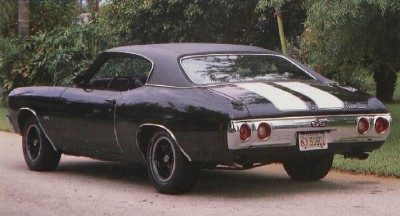
By 1971, the 1971 Chevrolet Chevelle SS had established itself as the most desirable car of the year. Today, these particular models are still sought after by collectors and are considered coveted prizes. But the numbers don’t lie. The golden age is fading.
Last year’s data tells a grim story about trading volumes. In 1968, Chevrolet sold a whopping 293,267 standard model Chevelle and Malibu. These two-door coupes and sedans weigh between 3,166 and 3,450 lbs. Available new for $2,677 – $3,260. This is affordable performance.
The wagon tells a different story. The Chevelle Wagon ranges from $3,632 to $3,944 and is heavy, bulky and less appealing to the average buyer. Prices also increased to $3,626 from $2,997. Total production was only 42,301 units.
“The SS is more than just a badge. It’s the only reason some buyers skip the Malibu altogether.”
As emission regulations tighten and insurance premiums rise, the formula for high-performance muscle crumbles. The simple calculation of horsepower and safety and efficiency is changing. Chevrolet knows it. The market knows it.
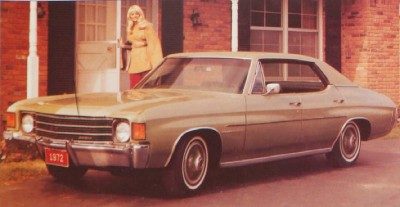
1972 Chevrolet Chevelle and Malibu
By 1972, these changes were subtle on the surface, but fatal to the car’s soul. With the new emission standards, the big V8 disappeared. The small-blocks remained, but they were detuned. The torque decreases. The thrill diminished.
The 1972 Chevrolet Chevelle retained its iconic silhouette, but its core technology changed. The focus shifts from raw power to compliance. For enthusiasts, this marks the end of an era. The following cars were smaller, lighter and much less powerful.
Now, collectors consider 1971 a true last hurray. The 1971 Chevelle SS represents the top before the descent. By 1972, the spell began to wane. The numbers follow.
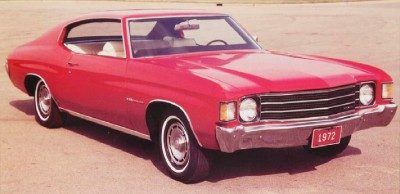
1972 Chevrolet Chevelle and Malibu sales breakdown
Integrated front parking lights and side marker lights mark a significant visual change for the 1972 Chevrolet Chevelle and Malibu lineup. It’s a subtle detail, but it defines this year’s aesthetic update. This particular modification was introduced in the Malibu hardtop coupe, which eventually became the best-selling model in the series.
The 1972 Chevrolet Chevelle and Chevrolet Malibu line earned the title of second best-selling car in the United States. This ranking shows its broad appeal to a diverse group of buyers. The base model carries the Chevelle nameplate and four wagon lines are available. Luxury trim levels carry the Malibu badge, and a convertible is also available for those looking for a more premium experience.
Which 1972 Chevrolet Chevelle and Malibu Model Was the Best Seller?
Malibu Sport Coupe は、これまでで最も売れているモデルになりました。 合計 24,000 台以上のMalibu Sport Sedanが生産され、正味馬力 130 の標準的な 307 立方インチ V-8 エンジンを搭載しました。 この特定のパワートレイン構成によって、価格体系が決まります。 Malibu Sport Coupeの価格は2,923ドルから。 6 気筒バージョンは 90 ドル安く、このシリーズへの手頃なエントリーポイントとなります。
地域的な違いにより、パワートレインの状況はさらに複雑になります。 カリフォルニアで販売されているシェベルには 307 V-8 が搭載されていませんでした。 代わりに、350立方インチのエンジンを搭載しました。 この意見の相違は 1970 年代まで続きました。 カリフォルニアの車は、排ガス規制がそれほど厳しくない州で販売される車とは異なるパワートレインを備えていることがよくあります。 ゴールデンステート州の購入者は、より厳しい基準を満たすようにエンジンを調整したが、他の地域の購入者は排気量の大きいオプションを維持した。
How do you update a 1972 Chevrolet Chevelle and Malibu Handle Styling Updates?
Chevelles have integrated parking/side lights mounted on the front fender. They sit outside in a revised twin-bar grille. It’s a cleaner look that removes previous clutter. All Malibus have hidden wipers. This feature gives the windshield a smoother and more uniform appearance. Super Sport equipment can now be ordered with any V-8 engine. These include a base version of 307-cubic-inch, making it a powerful trim for more buyers.
Powertrain options extend well beyond the base unit. The collection includes a 175 horsepower, 350-cubic-inch V8 engine. The 240 horsepower, 402-cubic-inch engine was still available and was still called the 396 in marketing terms. The power of the top class 454 was 270 horsepower according to the Net Rating System. This figure, excluding the previous total horsepower, reflects the reality of the testing standards, taking into account accessories and emission regulations.
Why do Chevrolet station wagons sell slower than hardtops?
Chevelle wagons are 10 inches shorter than full-size wagons. The weight is also about 0.5 tons lighter. These resizes are meant to be easier to manage. But they sell slower. Americans still love big cars. The smaller wagon do not have the same market share as the same market share as.
1972 Chevelle: By the numbers
The year 1972 marked a transition period for the Chevrolet Chevelle line. It is no longer as wild and unrestrained as it was in the late 60s. Exhaust gas regulations are being tightened. Safety standards are constantly improving. America’s big muscle car market is cooling off. However, the Chevelle stayed put.
The Malibu Hardtop is right in the middle of the hierarchy. This is not a top-tier model. This is not your basic sports coupe. But for many buyers, it is the best option. A combination of practicality and style.
Look at the statistics from 1972. They tell the story of quantity and value.
The standard Chevelle weighs 3,172 to 3,438 pounds. It’s heavy. But in an era when power steering was an option and power brakes were a luxury, it wasn’t something that couldn’t be controlled. price tag? New ones sell for $2,636 – $3,187. This is a significant amount adjusted for inflation. But in its day it was a great buy for a full-size family hauler with a V8.
Chevrolet delivered 339,360 Chevrolet sedans in 1972. A large amount of metal has hit the road.
Station wagons have a different story. Weights range from 3,605 lbs to 3,943 lbs. Additional weight comes from the long roofline, rear doors and practicality. You also pay more for that utility. Prices range from $2,926 to $3,538.
Although sales were down, they remained strong. 54 335 wagons rolled off the line. Although not as impressive as the sedan, it was a solid number for a narrow body style in the early 1970s.
The Malibu nameplate does the heavy lifting for you. This is no longer just an trim level. It is becoming a brand within a brand. The hardtop sedan you see on the street? Probably Malibu. It was the face of the Chevelle.
Why are these numbers important?
You might look at these weights and think, “This is a brick.” you would be right. These cars are built as tanks. The thickness of the steel, harnesses and exhaust devices add weight. But this weight also means stability on the road. A planted feel.
The Price category is also interesting. The difference between a Chevelle and a luxury Malibu isn’t that big. Probably a few hundred dollars. This difference gives you a better interior. Vinyl interior. Better trim. More chrome. This is a small premium, because the comfort is greatly increased.
Chevrolet knows what they are doing. They offered a range of options. You can also configure your Chevelle for commuting. Or you can set it up for a Sunday drives. Versatility is the key to sales.
Overall picture
The 1972 Chevelle wasn’t about breaking records. It’s about survival. The oil crisis is near. Muscle car insurance prices are skyrocketing. The days of the open gas V8 are coming to an end.
But Chevrolet didn’t.
1973 Chevrolet Chevelle Malibu Colonnade Redesign
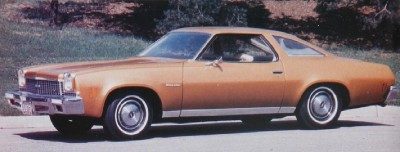
In the 1973 model year, the Chevrolet Chevelle and Malibu received a complete visual makeover. GM ditched the old pillarless hardtop look in favor of a new “pillar” design. If you look at the Malibu Colonnade Coupe, you’ll see a semi-fastback roofline defined by arched door frames and huge rear quarter windows. It looks completely different from the previous car. Gone is the longstanding open-pillar styling.
Under the skin, the geometry remains familiar, but continues to evolve. The two-door model’s wheelbase remains at 112 inches, while the four-door model’s wheelbase increases to 116 inches. However, the frame itself is now 5 inches longer and 1 inch wider. The user interface and background have also been completely redesigned. Safety has become the norm across the board. All 1973 Chevrolet Chevelles and Chevrolet Malibu had front disc brakes.
Entering the Laguna Era
Chevrolet wants to take the Chevrolet range to the luxury market. They achieved this by introducing Laguna. These new top-of-the-line coupes and sedans go above and beyond the standard Malibu. The Laguna features a body-colored polyurethane front with a chrome die-cast grille and round parking lights. It was aimed directly at the Buick Century, Oldsmobile Cutlass, Pontiac LeMans and Ford’s Gran Torino.
The Laguna range has expanded to include a station wagon, which is available in basic and premium Laguna Estate versions. For car lovers, super sports coupes are still important. However, the convertible disappeared from the Chevelle lineup.
Oddly enough, it looks like you can actually buy a Super Sport station wagon this year. A 454-cubic-inch V-8 engine was also available as an option. It was a strange combination of sportiness and practicality, but only lasted one season.
Engine technical data and sales volume
Powertrain options speak to shifting priorities. The top-of-the-line SS engine was still the 454-cubic-inch V-8, but power was reduced to 245 horsepower. Base Chevelles were originally available with either a 250-cubic-inch inline-six or a 115-horsepower 307-cubic-inch V-8 engine. The Laguna was standard with a 145-horsepower 350-cubic-inch V-8 engine with a two-barrel carburetor. A more powerful 175 horsepower version of the 350 is available in other Chevelle trims.
Despite the changes and price increases, consumers continue to buy. Chevrolet moved 327,631 Chevelles during the 1973 model year. This includes 59,108 station wagons. Malibu trims continued to dominate sales, but the more expensive Laguna coupe and sedan also did well, selling 56,036 units.
The Super Sport badge was installed on 28,647 Chevelles. Of these, 2,500 were equipped with the massive 454 cubic inch engine. This is the last time this particular configuration will be seen in a Chevelle lineup for a long time. The era of the raw, unfiltered muscle wagon was ending.
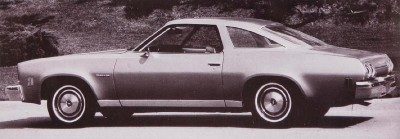
The 1973 Chevelle Malibu Colonnade Coupe looked different because of the revised roofline. This is more than just a facelift. The design team gave it a semi-fastback profile. The middle roof pillars were formed into the glass. This creates a cleaner and more complete look. It was a subtle shift, but it defined the final years of the A-body’s raw muscle era.
1973 Chevrolet Chevelle and Malibu Facts
The numbers don’t lie. They tell you what actually moved off the lot. Sales in the coupé and station wagon markets increased significantly in 1973.
model
chevelle coupe
station wagon
Weight Range (lbs)
3,423-3,678
3,849-4,189
Price range (new)
$2,719-$3,203
$3,106-$3,795
Production quantity
327,631
59,108
Coupe is still the sales leader. More than 327,000 units have rolled off the production line. Almost 60,000 station wagons have been sold. Prices start low but go up in option-heavy builds. The Chevelle Coupe has a base price of around $2,700. Fully equipped, it can cost upwards of $3,200. The initial cost of wagon is high. Prices for the base model start at around $3,100. A top-of-the-line wagon costs about $3,800.
1974 Chevrolet Chevelle and Malibu
1974 年の到来により規制が強化されました。 安全基準ではバンパーの大型化が義務付けられています。 排出ガス規制はより複雑になっています。 サーバールは適応した。 ボディラインは1973年当時のまま、柱廊屋根もそのまま。 しかし、詳細は変更されています。
フロントバンパーが厚くなりました。 リアバンパーもこれに倣う。 これらは表面的なアップグレードではありません。 これらは法的要件です。 バンパーブラケットの内部構造も変更されている。 鋼材の厚みが増します。 体重が増えてしまいました。 電力は比較的横ばいで推移している。
エンジンの選択肢はわずかに狭まりました。 ビッグチャンク 454 はまだ存在します。 しかし、小型の V8 エンジンはより厳しい排出規制に直面します。 燃費の数値は全体的に下がっています。 1974 年のシェベルは、1972 年の先代モデルよりも重く、速度も遅かった。 しかし、売上は安定していました。 ファンはそれでも購入しました。 家族は依然として馬車を必要としていました。
Why the 1973-1974 Chevelle Matters
1970 年代後半のシェベルは過渡期の車でした。 マッスルカーの黄金時代と現代のコンパクト時代の幕開けの間の橋渡しとなります。 1973 年のスタイリングの変更は、アグレッシブからエレガンスへの移行を示しました。 馬車は実用性をもたらしました。 クーペはスタイルを提供します。
コレクターにとって、1973 シェベル マリブ コロネード クーペは傑出した存在です。 形成される列はキー識別子です。 彼らは 1973 年モデルを 1972 年および 1974 年のバージョンと区別しました。 特定の年をお探しの場合
The 1974 Chevelle’s Last Stand as a Badge of Honor
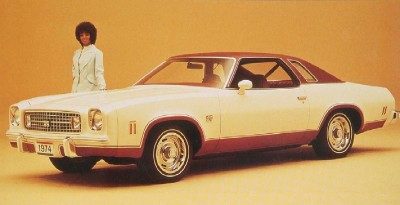
The 1974 Chevrolet Chevelle lineup wasn’t just a refresh; it was a funeral for a legend and a birth for a new kind of luxury. The SS nameplate, that holy grail for muscle car fans, finally vanished. It didn’t die quietly, though. Chevrolet plugged the void with the Laguna Type S-3.
Think of the Laguna Type S-3 as the spiritual successor to the Super Sport, but dressed in a tuxedo. It wasn’t just about raw power anymore. It was sporty and luxurious. A coupe. A statement.
Styling That Actually Lasted
The Laguna name first showed up in 1973 on the standard Chevelle coupe and sedan. But the 1974 model? That was a different beast. Specifically, the Laguna Type S-3 coupe. Chevrolet called it a “Colonnade” body style. Fancy term for a coupe without a B-pillar look, creating that sleek, uninterrupted window line.
The real innovation was up front. Chevrolet swapped out the brittle plastic for a “soft” urethane nose. Why? Because regular plastic cracked in the sun and dented when you bumped the curb. This urethane stuff? It bounced back. It resisted scratches. It was held up by hydraulic cylinders, giving it a unique, floating presence on the road.
Inside, things got comfortable. Fast. The front occupants sat in swivel bucket seats. You could turn around and chat with the back passengers without leaving your seat. The driver faced a six-dial instrument cluster. Everything within reach.
Opera windows were available. Narrow slits on the rear quarter panels. You could cover them with horizontal ribs for a few extra bucks. Privacy, if you wanted it.
The Price of Cool
Production numbers tell a sobering story. Only 15,792 Laguna S-3s rolled off the line. Not a huge number. Prices started at $3,723. Sounds cheap now? Add options. A few well-chosen extras and you’d easily push past $5,000. That was serious money in 1974.
The Malibu Classic Takes Center Stage
Strip the Laguna badge away, and what’s left? The 1974 Chevrolet Malibu.
Every 1974 Chevelle that wasn’t a Laguna became a Malibu. Coupe. Sedan. Station wagon. All of them.
Chevrolet also introduced the Malibu Classic. This wasn’t just a trim level; it was an upscale line. It came in all three body styles. The difference? Class. Better interiors. Extra body trim that caught the light. A stand-up hood ornament sitting above a special, distinctive grille. If you wanted to look like you had it together, you bought the Classic.
Under the Hood: Sixes and Big Blocks
What powered these metal bodies?
Base engine for the non-Laguna Chevelles? A 250-cubic-inch six. Reliable. Economical. Not exciting.
But you could spec a V-8. Four choices.
- 350-cubic-inch V-8. 145 horsepower. The entry-level
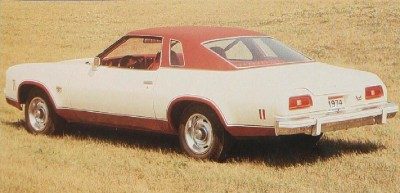
1975 Chevrolet Chevelle and Malibu
Big changes came for the 1975 model year. The Chevelle nameplate has remained, but things have changed. Exhaust gas regulations have been tightened. The days of raw, unfiltered muscle are fading into history. The Chevelle and Malibu have been redesigned. They survived by becoming more sophisticated, less aggressive, and focusing more on compliance than conquest.
The body is basically the same as last year. Two-door Coupes and four-door sedans continued to receive badges. The Malibu trim sits above the base of the Chevelle and offers more chrome, better interior materials and a slightly more premium feel. Once a beacon for performance enthusiasts, the SS package is still available, but has been largely overshadowed. The big V8 is gone. A small 350cc engine was the driving force, but it was detuned. The power was reduced to about 175 horsepower. The torque figures are also affected. It was powerful enough to move a heavy steel frame, but lacked the visceral punch of the late 1960s.
Weight gain. Safety bumpers, tighter exhaust systems and extra sound insulation add weight. A typical Chevelle coupe has a curb weight of around 3,600 to 3,800 pounds. Push out large amounts of metal with less than 180 horsepower. As a result, acceleration is slower. Zero to sixty lasts until mid-teens. This is not a jump start car. This is a cruiser.
Production data shows declining interest. General Motors produced more than 100,000 Chevelle and Malibu in 1975. The majority of sales are two-door coupes. The remaining models are a four-door sedan and station wagon. For families who need space but still want the Chevrolet badge, station wagons are still a narrow choice due to their cargo capacity.
The price reflects the thriftiness of the packaging. Base Chevelle Coupe prices start around $3,100. A well-equipped Malibu coupe can cost as much as $3,700. For the average American in 1975, these cars were not cheap, especially as inflation rose. However, it is affordable compared to large luxury sedans. It offers a solid (if uninspiring) driving experience.
インテリアにはいくつかのアップデートがあります。 ビニールとファブリックの組み合わせはより一般的になってきています。 ダッシュボードのデザインが簡素化されました。 コントロールが大きくなり、アクセスしやすくなりました。 耐久性とメンテナンスのしやすさを重視しています。 ボンネットの下のエンジンルームは混雑しています。 空気清浄機、排気ホース、煙ポンプが隅々まで満たされています。 定期メンテナンスのためのアクセスは、例年よりも厳しくなっています。
1975 年の購入者にとって、選択はパフォーマンスに関するものではありませんでした。 それは価値についてです。 Chevelle and Malibuは信頼性の高い交通機関を提供しています。 彼らは実績のあるプラットフォームを持っています。 部品を見つけるのは簡単です。 黄金時代よりも早く価値が下がってしまいますが、その価値は十分に保たれています。
1975 年のChevelleは過渡期モデルでした。 これは、パフォーマンスの時代と、効率とコンプライアンスの現代の時代との間のギャップを埋めるものです。 それは刺激的ではありません。 1970 SS ほど記憶に残るものではありません。
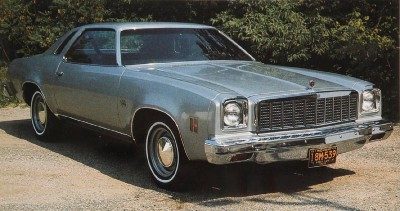
1975 Chevelle Malibu: Chrome, V-8 and an efficiency system
The 1975 Chevrolet Chevelle lineup was a study in subtle evolution. Chevrolet had removed the distinctive Malibu, Laguna and Sport Coupe badges and combined everything under the Chevrolet Chevelle Malibu nameplate. It wasn’t a complete redesign, but a renewal of the existing body with new styling elements front and rear that defined the aesthetics of the year.
At the front, the grille changed to a vertical lattice pattern, framed by bright cladding that wrapped around the rectangular headlights. It was a cleaner look that moved away from the flashier designs of the early 70s. The back was also reserved. The taillights were flush with the body and were joined by a brushed chrome frame that gave the vehicle elegance without drawing attention.
There was a distinct atmosphere inside the Malibu Classic Coupe. These distinctive opera windows gave the profile a coupe-like silhouette, even on two-door body styles. Chevrolet’s marketing materials fared well, describing the interior as “comfortable but not lofty…elegant but not ostentatious.” You didn’t lie. The dashboard was decorated with decorative wood – enough to look nice, but not enough to look expensive. It was a conscious middle ground for buyers who wanted style without ostentatious excess.
Landau coupes chose a slightly more formal route. They were equipped with vinyl roofs, full wheel covers and whitewall tires. Color-matched frame stripes and two sports mirrors completed the package. It was an owner-driver look that was different from the base models, but not as aggressive as the performance versions.
Under the hood, the engine selection told the story of an industry in transition. The base engine was a 250-cubic-inch inline-6. But for those who wanted real power, the standard V8 moved to a 350-cubic-inch unit. If you need more power, you can choose the 400 or the huge 454-cubic-inch V8. The big-block 454 engine was rated at 235 horsepower—a figure that seems low by modern standards, but remember, this was 1975. Emissions controls and lower compression ratios already hurt performance.
Some improvements have also been made to handling and ride quality. Adjustable power steering became standard on all V8 models, making the heavy American steel feel a little more nimble at low speeds. Every 1975 Chevelle Malibu rolled on steel-belted radial tires, a step toward better wear and handling that became common throughout the industry.
Chevrolet has also made significant progress with its “Efficiency System” this year. This was not a single technology, but a collection of technical optimizations aimed at reducing fuel consumption. The speedometers are now calibrated in both miles per hour and kilometers per hour, reflecting the automaker’s growing global perspective and the reality of driving on international roads or simply keeping pace with regulatory changes.
The sporty Laguna Type S-3 has had a confusing lifespan. It appeared in 1974, disappeared for a while, then returned in January 1975. When it returned, it looked different. The nose was sloped and covered in urethane, giving it an aerodynamic look that was ahead of the game
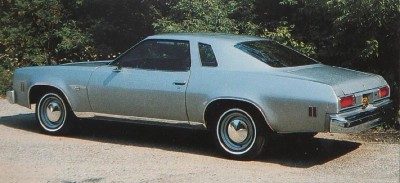
1975年までに、シェベルとマリブの境界は非常に曖昧になり、シボレーは実際に1つの名前しか使わなくなりました。 1975年のシェベルシリーズのほぼすべてのモデルは、1975 シボレー シェベル マリブ のバッジで販売されました。
彼らがこれを行ったのは、マリブという名前の知名度を利用するためです。
パンフレットではシェベルの名前が消えませんが、駐車場では全てマリブでした。
1975年モデルの内訳
75 年分のデータは、ブランドがブランドのアイデンティティを確立し、最終的にブランドを終了するまでの物語を物語っています。 マリブのセダンとクーペが最も売れています。 ステーションワゴンは重量が重いものの、家族を乗せる部分をプラットフォーム上で生かし続けることができます。
クラシックなシェベルの最終年の数字は次のとおりです。
シボレー シェベル マリブ (セダン/クーペ)
* 重量: 3,642 ~ 3,908 ポンド。
* 価格: $3,402 ~ $4,180
* 建設ユニット数: 229,939
シボレー シェベル マリブ ワゴン
* 重量: 4,207 ~ 4,331 ポンド。
* 価格: $4,318 ~ $4,893
* 建設ユニット数: 45,582
馬車は重く、価格も高く、販売台数も減りました。 しかし、それは生き残った。 短期間ではありましたが、適切なオプションを注文した場合にのみ軽セダンが夢見ることができるユーティリティ パッケージで V8 パワーを提供しました。
Why is it important to rename?
This is not just marketing. Chevrolet Malibu The brand is in the public domain. GM dropped “Chevelle” from the main badge and simplified the family tree. Simplify your showroom. It also shows that the unique character of the standard Chevelle SS, Laguna and Chevelles has been honed.
Model year 1975 marked the end of an era. Emissions regulations, the oil crisis and the changing tastes of American buyers are putting midsize muscle cars in trouble. What remains is a comfortable and reliable commuter car with legendary performance.
A look into the future: 1976
The 1975 Malibu was the last hurray for the traditional A-frame platform. Further improvements were made for the 1976 model year, eventually moving to smaller, more fuel-efficient cars in the late 1970s. But even in 1975, there was still stubbornness in the line-up. You can still buy a big V8. You can buy a two-door coupe that can drive on a racetrack even if it’s tuned for economy.
For collectors and hobbyists, these numbers are important. The production volume of Malibus was almost 230,000 units. More than 45,000 trucks rolled off the production line. They are not rare. However, they are increasingly difficult to find in their original condition. Rust eats them first. then
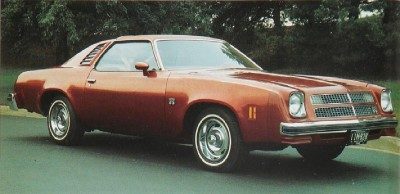
Laguna S-3 final hurrah
The 1976 model year marked the end of the Laguna Type S-3 series, the most exclusive special edition of the Chevrolet Chevelle and Malibu. So far, the model has gone through two iterations and is entering its third and final season. The changes are minimal and reflect the already changing industry. The iconic sloping front end, body-colored polyurethane front fascia and louvered quarter windows are retained, giving the coupe its distinctive silhouette.
Inside, the Laguna Type S-3 features a Monte Carlo round-gauge instrument cluster that sets it apart from the rest of the Chevelle family. The buyer can choose a cabin with a four-spoke sports steering wheel, swivel front bucket seats and a center console. The smaller Chevelle, Malibu and Malibu Classic instead have more traditional dashboards and linear speedometers.
Why the Laguna Faded into History
The Laguna’s aerodynamic design had previously been popular with NASCAR drivers, but its racing pedigree did not translate into strong retail sales. Regular buyers weren’t clamoring for the sophisticated coupes. When the V-8 engine died out, its tough looks weren’t enough to lure potential muscle car customers into showrooms. Despite low consumer enthusiasm, Laguna production increased to 9,100 units. However, the base price jumps to $4,621.
During the season, sales of medium-sized cars were generally good. Although the Laguna did not lead in sales, the Chevelle was still considered “the size of the coming era.” The Malibu Classic has a new diamond-pattern front grille and stacked headlights, but the standard Malibu keeps the single light setup.
Under the hood, the performance options are much different than they were in the heyday of muscle cars. Three V-8s are available.
A 305-cubic-inch engine rated at 140 horsepower
A 350-cubic-inch unit producing 165 horsepower
*A 400-cubic-inch variant developing 175 horses
The large 454cc V8 engine was only available in full-size cars. Options include the Econominder instrument package, a subtle reminder that the days of muscle are long gone, replaced by efficiency and comfort. The Laguna Type S-3 is a stylish monument to a performance era that is quietly disappearing.
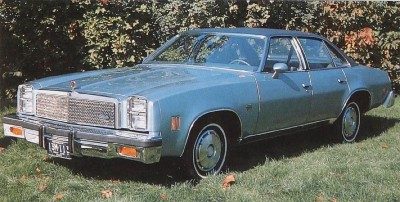
The 1976 model year wasn’t the end of the story for the classic Chevelle shape. It was the curtain call for a design that had defined American mid-size performance for over a decade. By the time the 1977 model year rolled around, General Motors had already begun shifting gears. The Chevelle nameplate was undergoing a subtle but significant transition, moving away from the heavy, formal aesthetic of the previous years toward a slightly more refined, fuel-efficient package.
The 1976 Snapshot: Final Days of the Classic Shape
Before looking ahead to 1977, it is worth noting where the line stood at the close of 1976. The Chevelle Malibu Classic remained the volume seller, anchored by its distinctive stacked quad headlights and a crosshatched grille that gave the nose a formal, almost aristocratic look. It was a car that prioritized presence over aerodynamics.
The numbers from that final year of the “big” Chevelle tell the story of a mature product:
- Malibu and Laguna Models: These accounted for the bulk of production. Weighing in between 3,650 and 3,978 lbs, they were priced from $3,636 to $4,640. Total build count: 268,522 units.
- Station Wagons: Heavier due to extended bodies and reinforced frames, these weighed 4,238 to 4,356 lbs. Pricing ranged from $4,543 to $5,114, with 64,721 units produced.
This was the last hurrah for the traditional body style. The market was changing. Gas prices had spiked, emissions regulations were tightening, and consumer preference was slowly drifting away from large, heavy displacement engines. The 1976 Chevelle was a solid car, but it was built for an era that was rapidly closing.
Preparing for the 1977 Shift
Entering 1977, Chevrolet knew the Chevelle needed to adapt. The upcoming redesign would shrink the footprint slightly, improve fuel economy, and modernize the styling to compete with smaller, more efficient rivals. But the 1977 Chevelle wasn’t just a new car; it was the bridge between the golden age of muscle and the practical era of the late 70s.
While the 1976 model year saw steady sales, the 1977 model year would introduce a new body style that felt less like a heavy cruiser and more like a responsive daily driver. The stacked headlights were gone, replaced by a cleaner, single-unit look that aligned with contemporary safety standards and aerodynamic trends.
Why the 1977 Chevelle Matters
The 1977 Chevelle is often overlooked in enthusiast circles, overshadowed by the Z28s and SS models of the early 70s. But it represents a critical pivot point. It was the first mid-size Chevy to fully embrace the smaller, lighter philosophy that would come to dominate the market in the 1980s.
For buyers in 1977, the choice was
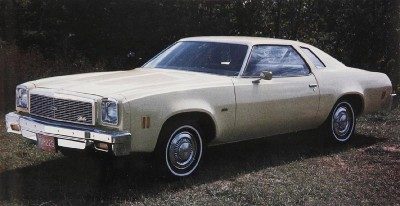
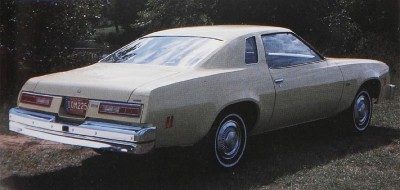
They called it “America’s smart money car.” It wasn’t just marketing. It was a direct nod to having plenty of room inside for a footprint that barely scratches the curb. The 1977 Chevrolet Chevelle and Malibu lineups were all about efficiency. Compact dimensions on the outside. Spacious inside. Friendly prices.
It was a field.
Things get tighter under the hood.
Fewer options meant fewer powertrain options, but what was left got stronger.
The range of engines has been reduced. No more 400-cubic-inch V-8. Gone. If you wanted power in 1977, you looked at what was left.
Engine specifications for 1977 Malibu
Standard equipment typically included a base 250-cubic-inch inline-six. It wasn’t fast. It was reliable. Cheap to fix. Reliable. Cheap. If you didn’t feel like shoving a six-speed stick through the lights, move up to the 305-cubic-inch V-8. It produced 145 hp. Appropriate. Not exciting. But enough to shift weight without breaking the bank.
Then there was an alternative. 170-horsepower, four-barrel 350-cubic-inch V-8. It was the only real performance choice left. Interestingly, this engine was standard on the Malibu Classic Estate Wagon. Why? Maybe because wagon buyers needed torque to haul groceries, kids, and maybe a kayak.
Design changes and trimming
Visually, Chevelle and Malibu split paths. The standard Malibu kept its appearance relatively unchanged. Single headlights. Crosshatch grille. Classic. Simple.
The Malibu Classic was where the style happened Malibu Classic. It was changed to a vertical grille pattern. Six-section taillights. Twin stacked headlights. A stand-up hood ornament that actually stood up. Inside, it should feel luxurious. Cloth and vinyl split-bench front seats. Color coordinated steering wheel. Wood grain accents on the dashboard. It wasn’t just about transportation. It was a statement.
The numbers don’t lie
Would you like to know which trim actually sold? Check out the coupes.
- Base Malibu coupes: 28,793 produced.
- Regular Classic coupes: 73,739 produced.
- Malibu Classic Landau Coupes: 37,215 produced.
The Classic sold significantly better than the basic model. Classics also surpassed the basic models as four-door sedans. People were willing to pay extra for a vertical grille and a wood grain dashboard.
The alternatives were also cheap. You can get the $46 Exterior Decor Group. $54 tinted glass. $33 Full Wheel Covers. When you add them up, you still get the “smart money” value.
Chevrolet killed the Estate Wagon. Laguna Type S-3 disappeared. But they kept the Chevelle-based El Camino. Because even in 1977, you needed a car-pickup
The 1978 model year marked a pivotal, albeit quiet, transition for the Blue Oval. While the industry groaned under the weight of new emissions standards and insurance mandates, Chevrolet doubled down on the Malibu. The strategy was simple: shrink the footprint to save fuel, but keep the comfort levels high enough to keep buyers from jumping ship to the compact imports.
The result was a car that felt less like a muscle car and more like a refined cruiser. The body style remained largely unchanged from the previous year, but the details told a story of contraction. The Malibu coupe shed about 100 pounds compared to its 1977 counterpart, landing in a weight range of 3,400 to 3,700 lbs. This wasn’t just about numbers on a spec sheet; it was about feeling the difference in cornering. The suspension was retuned for compliance, softer springs absorbing the cracks in suburban roads rather than transmitting every imperfection to the driver’s spine.
Powertrain and Efficiency
Under the hood, the V8 options were getting tighter. The big-block 454 cubic-inch engine was gone for most markets, leaving the small-blocks to do the heavy lifting. The 350 cubic-inch V8 became the heart of the Malibu, producing around 150 to 170 horsepower depending on the calibration. It wasn’t the screaming powerplant of the late ’60s, but it moved the 3,500-lb sedan with adequate urgency.
For those prioritizing MPG over acceleration, the 267 cubic-inch V8 was available, though it was often bypassed for the more versatile 350. The 2.5L inline-six remained the entry-level option, offering reliability and modest power, but it struggled to move the heavier Malibu sedan from a dead stop.
Transmission choices were straightforward. The three-speed manual was still available for purists, but the automatic took the lion’s share of sales. It shifted smoothly, prioritizing comfort over engagement—a shift in philosophy that defined the late ’70s American sedan.
Pricing and Production
Chevrolet kept pricing competitive, understanding that buyers were becoming more price-sensitive. The new Malibu coupe started around $4,200, with fully loaded models reaching toward $5,000. Station wagons, which offered practicality for families, started slightly higher at $4,800. Production numbers reflected the market’s appetite for efficiency over extravagance. Approximately 240,000 Malibus were built, a slight dip from previous years but still strong volume for a full-size vehicle in an economy slumping economy.
The 1978 Malibu wasn’t trying to be the fastest car in the quarter-mile. It was trying to be the most comfortable car in the traffic jam.
Design and Features
Exterior styling remained conservative. The rectangular headlights were standard, and the body lines were clean, avoiding the flamboyant graphics that plagued some rivals. The Malibu badge was subtle, placed on the front fenders and trunk lid. Inside, the focus was on space. Headroom was generous, and legroom in the rear seats didn’t require climbing over the front seatbacks.
Materials
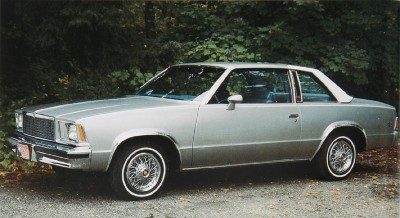
A new standard for family drivers
The brand changed, but the mission remained the same.
After a long time, Chevrolet abandoned the Chevelle nameplate. The Chevrolet Malibu arrived in 1978. This was no small update. It was a complete renovation. General Motors was downsized. The midsize segment was shrinking. Chevy needed a new entry. They chose the name Malibu. It was already the best seller under the Chevelle umbrella. Now it got to wear the crown alone.
Marketing called it “the new fresh apple pie.”
The selection is divided into two flavors: standard Malibu and upscale Malibu Classic. You can buy it as a coupé, four-door sedan or station wagon. The wheelbase was set to 108 inches. Previous generations had increased this number in sedans and station wagons. Now everything sat on the same shorter frame.
Why downsizing made sense
The numbers tell the story of efficiency.
The 1978 Chevrolet Malibu lost weight. The models weighed 500 to 1,000 pounds less than their predecessors. The overall length was reduced by over a foot. You might think that would mean less space. Chevrolet said otherwise. They promised more legroom. More headroom. More trunk capacity.
How did they fit it in?
Thinner doors. Shell-style seats. Reduced curvature of the body. Broad glass panels replaced the thick pillars. Visibility improved. Despite the smaller footprint, the cabin felt more airy.
Under the hood, the decisions were conservative. The base engine was a 200-cubic-inch (3.3-liter) V-6. It produced 95 hp. Not a sprinter. Two upgrades awaited those who wanted more punch. The 231-cubic-inch V-6 produced 105 horsepower. The 305 cubic inch V-8 engine produced 145 horsepower. If you wanted real hauling power, you had to buy a station wagon. Only station wagons could fit the 350 cubic inch V8. This engine produced 170 hp.
Sales Figures and Legacy
The market reacted.
358,636 Malibus left the factory. The four-door sedan was a clear favorite. The Malibu Classic version moved 102,967 units. It was the workhorse of the group.
This change marked the end of an era for GM. The time of oversized cars was over. Efficiency won. The economy became a priority. El Camino followed suit. This pickup adopted the new Malibu design. Engine options ranged from a modest V-6 to a big block 350. The family had evolved. It was smaller, lighter and built for a changing world.
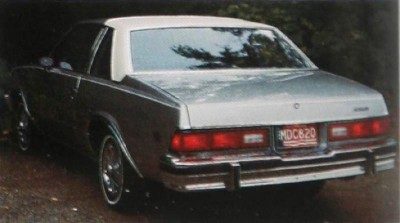
The 1978 Chevrolet Malibu Classic Landau Coupe arrived with a specific visual identity that set it apart from the base models. Standard equipment included a vinyl half roof and subtle pinstripes running along the body. Wheel choices were equally distinct, offering either Rally wheels or Sport wheel covers depending on the trim package.
1978 Chevrolet Malibu Specifications
For enthusiasts tracking the final year of the classic body style, here are the hard numbers for the 1978 model year.
| Model | Weight Range (lbs.) | Price Range (New) | Units Built |
|---|---|---|---|
| Malibu | 3,001 – 3,550 | $4,204 – $4,904 | 358,636 |
These figures capture a segment of the market that was already shifting. The weight range reflects the impact of federal emissions equipment and safety regulations that added mass to even the smaller sedans. The price spread indicates the difference between a base four-cylinder coupe and a more loaded V8 version. Nearly 360,000 examples found their way to buyers, a significant volume for a final-year variant of this generation.
Looking ahead, the conversation shifts to what followed. The 1979 Chevrolet Malibu would introduce a redesigned body, marking the end of the long-wheelbase “classic” look in favor of a more compact, fuel-efficient design.
For those interested in the broader context of American automotive history, several resources provide deeper dives. Muscle car enthusiasts can explore articles covering tire-smoking Chevys and other high-performance machines from the golden age. Sports car fans have access to guides on the purest forms of motoring from around the world.
Current buyers and sellers can turn to consumer guides for news, reviews, pricing, and safety data on modern vehicles, including trucks and SUVs. For pre-owned shoppers, used car search reports highlight safety recalls and known trouble spots for Chevys and other makes.
The Malibu nameplate survived the 1983 discontinuation of the classic model, launching anew for the 1997 model year and continuing into the present. A comprehensive history of Chevrolet, starting from its 1911 founding, offers insight into one of America’s most enduring automotive brands.
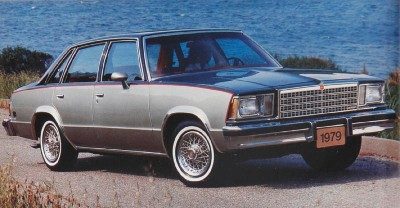
Small changes, big jump in sales for the 1979 Malibu
The 1979 Chevrolet Malibu didn’t need a revolution to keep up. It just needed a fresh face and new toys under the hood. Sales figures showed that even a basic sedan could attract attention when the adjustments were just right.
Visually, the changes were subtle. A split grille replaced the previous model and the taillights got a slight reshaping. That’s it for the exterior renovation. But below? The range of power transmissions has been significantly expanded.
New transmission options
A “small-block” 267 cubic inch V8 (4.4 L) was added for the first time. It sat between the standard 3.3-liter V6 and the optional 5.0-liter four-barrel V-8. This gave buyers a mid-priced option that balanced economy and performance better than before.
Drivers in California faced stricter emissions regulations. The Golden State market got its own flavor: 3.8-liter V6 or 5.0-liter four-barrel V-8. No compromises, just compliance.
Wagon enthusiasts got a special treat. A 350 cubic inch V8 (5.7 liter) producing 170 horsepower was available exclusively for station wagons. It cost $465 more. If you wanted to change the gears yourself, the three- and four-speed manual transmissions had floor shifters.
Trim Levels and Features
The 1979 Malibu was divided into two main families: the regular Malibu and the upscale Malibu Classic. Both were available as a coupe, sedan and station wagon. The Classic range also offered a Landau coupe for those who liked a softer roofline.
Sedans and station wagons had fixed rear door windows with a flip-out vent. This allowed draft-free ventilation – a small detail, but a nice touch for road driving.
Malibu Classics had extra bright window trim and vinyl covered body moldings. Buyers can check the boxes:
* Vinyl roofs
* Special instrument gauges
* Wire wheel covers
* Additional lighting
* Powered rear vent windows
* Power Skyroof
Chevrolet brochures emphasized the technical backbone: double-walled doors, full-perimeter frame and coil springs at all four corners. It was a solid build, disguised as a sensible family hauler.
Result
The strategy worked. Production of the 1979 Chevrolet Malibu** increased to 412,147 units. That’s a significant increase from 1978’s 358,636 units. Smaller changes, more sales. The car proved that sometimes refinement is better than reinvention.
And yet, in retrospect, was the increase in sales just because the car was good, or simply because it was the only thing on the lot that didn’t seem to melt in the heat? The numbers don’t lie, but they don’t tell the whole story either.
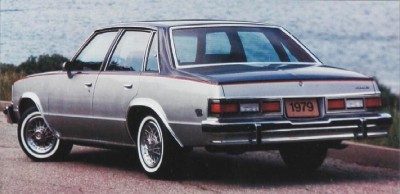
The 1979 model year brought subtle but necessary updates to the Chevrolet Malibu, refining the look of GM’s intermediate line during a period of intense market contraction. The most visible changes were cosmetic. The front fascia received a new grille design, shedding the previous year’s pattern for something slightly cleaner. At the rear, the taillight assemblies were modified, likely to meet evolving federal safety standards or to distinguish the year model from its 1978 predecessor. These were not overhauls; they were facelifts intended to keep the aging X-body platform looking current in a showroom that was rapidly shrinking.
1979 Model Statistics
Data from this era tells a story of an industry in retreat. As emissions regulations tightened and fuel prices remained volatile, the large, comfortable mid-size sedan became less desirable. Consumers were trading down to smaller compacts or staying with their existing vehicles longer. Despite this, the Malibu remained a volume seller, though nowhere near the numbers of the muscle car era.
- Model Year: 1979
- Weight Range: 2,983 to 3,325 lbs
- New Price Range: $4,812 to $5,600
- Total Units Produced: 412,147
The weight range reflects the trim levels. The base sedan was closer to the 2,983 lb mark, while options like air conditioning, power brakes, and heavier bodies pushed the top end toward 3,325 lbs. The price spread indicates that while a bare-bones Malibu was accessible, fully equipped models commanded a premium that would equate to over $20,000 today when adjusted for inflation.
Why the Numbers Matter
Producing 412,147 units in 1979 was a significant drop from the late 1960s and early 1970s, yet it kept the plant running. The weight figures are often cited by enthusiasts restoring these cars. A lighter car meant better handling and slightly better fuel economy, two things buyers were prioritizing. The price tags show the inflationary pressure of the late 70s; $5,600 for a new car was a substantial purchase for the average American family, highlighting the Malibu’s position as a value-oriented option rather than a luxury cruiser.
Looking Ahead
The 1979 Malibu was the bridge between the old guard of American automotive design and the efficiency-focused 1980s. Its changes were minor because the platform itself was tired. GM was already preparing for the next generation, but for 1979, they relied on refreshes to maintain sales.
1980 Chevrolet Malibu
The cycle continued into 1980, where the Malibu faced even stiffer competition from foreign imports. The market had shifted decisively toward fuel efficiency, forcing Chevrolet to further downsize and refine the X-body cars. The 1979 updates were stopgaps. By 1980, the focus shifted entirely to mechanical efficiency to keep the Malibu relevant in a world that no longer cared about big V
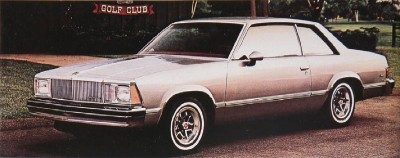
New powertrains and chassis improvements characterize the 1980 Malibu
Sales of the 1980 Chevrolet Malibu plummeted this year. Imports ate up market share, and Chevy’s own Citation cannibalized interest. Nevertheless, the product range remained and was based on several well-known body styles, which also included the separate Malibu Coupé**.
The beginning of the decade brought minimal sheet metal changes, but the engine compartment underwent a significant reconfiguration. The base V6 grew from 200 cubic inches to 229 cubic inches. This increase in displacement increased power from 94 to 115 hp. Result? A 1.5 second improvement in the 0-60 mph sprint. It was still about 17 seconds slow, but when balancing efficiency and performance, every fraction of a second mattered.
For those who want more power, the 267-cubic-inch V8 is back with 125 horsepower. The 305 V-8 remained in the mix, but lost five horses to settle at 155. The “Hot Rod” 350-cubic-inch V-8, which had offered 170 horsepower in 1979, was quietly dropped. Transmission selection remained traditional: a “three-on-the-tree” manual was standard, though the market was right with its dollars and most 1980 Chevrolet Malibu buyers opted for the optional three-speed automatic transmission.
The handling could be tightened. The F-41 sport suspension was once again available for V8 models. It transformed a typically soft, comfort-oriented midsize sedan into a vehicle with respectable cornering performance. Not a sports car, but a reasonably drivable family transporter.
Trim levels and body types remained at the level of previous years. Buyers could choose between the base and Classic trims, available as a two-door coupe, four-door sedan or five-door station wagon. Sedans remained volume sellers, with the Classic trim outselling the base model, showing that buyers were willing to pay a premium for perceived value.
Prices rose by about $600 — a jump of more than 10 percent. The most popular configuration, the Classic sedan, fetched around $6,000. This price increase, combined with ongoing fuel shortages and internal competition, led to a decline in sales volumes. On an annual basis, the number fell from 377,000 in 1979 to 278,000 in 1980. Still, nearly 280,000 units were moved. It remained a strong presence in the midsize segment, although it no longer dominated as much as before.
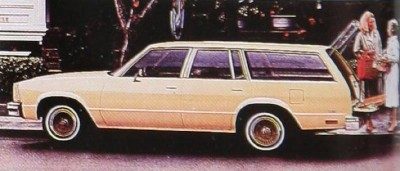
1981 brought a subtle but significant change to the Chevrolet Malibu lineup. If you bought a new car this year, you didn’t just get a slightly updated version of the 1980 model; They got the latest version of the classic A-body platform before GM completely changed the mid-size decks. The base wagon remained a staple, but the real story was in the technical improvements and the slow, steady transition to fuel efficiency.
The Malibu type was firmly positioned in the medium-sized segment and competed directly with the Ford Torino, Plymouth Volare and Dodge Aspen. In 1981, the curb weight range was 2,996 to 3,307 pounds, depending on whether you chose the coupe, sedan, or estate model. Prices started at about $5,502 for base models and rose to about $6,149 for better equipped versions. Total production was around 278,350 units, reflecting a market that had already begun to turn away from larger American sedans.
Why the 1981 Malibu is important
You might wonder why a relatively insignificant year like 1981 deserves attention. The answer lies in what happened under the hood and in the showroom. The early 1980s were a time of panic in Detroit. The price of oil fluctuated, emission regulations were tightened and Japanese imports were eating into market share. Chevrolet responded by improving the Malibu to make it lighter, more efficient and less complex.
The base engine remained the 229 cubic inch V6, a reliable unit that had been in production for years. It wasn’t quick, but it was easy. For those who needed a bit more torque, the 305 cubic-inch V8 remained available, although it was phased out in many markets due to emissions issues. A 4-speed manual transmission was standard on most models, and a 3-speed automatic transmission was also available as an option. This combination allowed for easy maintenance and repair, a key selling point for a brand that wanted to maintain its working-class roots.
The 1981 Malibu wasn’t about excitement. It was about survival. It was Chevy’s way of saying, “We’re still here, we’re still making cars, and they’ll still get you to work.”
The Base Wagon: A Practical Choice
As noted in previous parts of this series, the basic wagon model remained a popular choice for families and small businesses. It offered plenty of cargo space, reasonable fuel economy and a low starting price. The interior was sparse by modern standards – vinyl seats, basic instrumentation and minimal sound deadening – but it was durable. You can spill coffee, drag in muddy boots, and not worry about damaging the upholstery.
The exterior design was conservative and the box-like shape maximized the interior volume. The rear window was large and offered good visibility when reversing. The wide-opening tailgate makes it easier to load large items. This practicality was the Malibu’s strongest suit. It wasn’t trying to be a sports car or a luxury sedan. It was a tool. And like any good tool, it’s built to last.
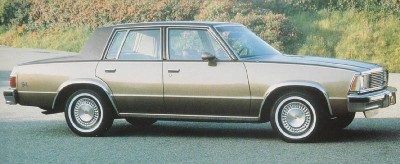
1981 Chevrolet Malibu Box Design
The 1981 Chevrolet Malibu looks like it had been hit by a geometry lesson. This year’s updates feel fresh on a model that has remained largely unchanged since its debut in 1978. The sedan’s square rear roofline introduces a semi-formal rear window that gives the rear a stiffer, more upright profile. Unlike the soft, rounded silhouette of its Buick and Oldsmobile siblings, the Malibu giving the Malibu a sharper, more formal look.
Behind the scenes, this change has less to do with new hardware and more to do with compliance. Although most of the engines are from 1980, the brains that drive them have been updated. General Motors has introduced the Computer Command Control (CCC) emissions system to force existing units to meet stricter environmental standards.
The numbers took a hit. The base 229-cubic-inch V6 engine once produced 115 horsepower, but now only 110 horsepower. In California, the California-only 231-cubic-inch Buick V-6 suffered the same fate, but was reduced to 110 horsepower to meet state regulations.
V-8 options are even more limited. The 305-cubic-inch engine is rated at 150 horsepower and is no longer available in regular sedans or coupes. It fell into the station wagon range. As a result, the only high-performance option for the two-door and four-door body is a 267-cubic-inch V8 engine with 115 horsepower. To compensate for low power figures and improve highway efficiency, the three-speed automatic transmission is equipped with a lock-up torque converter.
Buyers still value form over functionality, or at least cosmetics over essentials. Sedans dominate the sales charts, with upscale Classic trim outselling base models. A similar trend can be seen in station wagons and coupes. The stylish version is easier to move than the utilitarian version.
Then came the sticker shock. Prices jumped across the board. The price of the most popular trim, the Classic Sedan, jumped more than 1,000 dollars to $6,961. You might think that such a price increase will shift buyers elsewhere. Instead, sales only dipped slightly. 台にしにににかずず、四角い屋ととなりのたるうとはたしますたしたしたしたしたしますしたしたしたしたしたしたしたしたいたします。
This is not a revolution. However, in the early 1980s, it was not enough to control the light with a sharp line and computer control.
価格上昇にもかかわらず、1981 年のマリブの売上が横ばいになった理由
1981 年のシボレー マリブは、navigated a tricky financial landscape。 base V-6 dropping in power、V-8 options either restricted or downgraded、value proposition seemed weaker。 ただし、価格は大幅に上昇しました。 クラシック セダンだけでも、cost over $1,000 more than its predecessor。
では、なぜbuyers stay? Part of it was inertia。 マリブはhad been around for three years、with minimal visual changes。 多くの人にとって、四角いルーフラインは歓迎すべきリフレッシュであり、breaking the monotony of the。
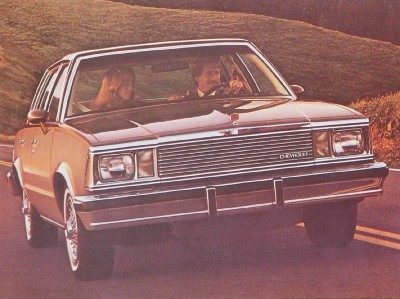
1981 年のマリブのラインナップは、80 年代初頭の箱型で効率的な精神を継承したスポーツ セダンのボディ スタイルをベースとしていました。 ソース資料の特定の例では、ワイヤー ホイールを備えています。これは 135ドルのオプションで、ハンドリングの向上にはほとんど役立ちませんでしたが、価格を大幅に引き上げました。 これは実体よりも装飾を優先する典型的なケースです。
1981年マリブの数字
ここでの計算は簡単です。 シボレーは 1981 年に 242,447 台のマリブを販売しました。 これは今日の基準からすれば大した量ではありませんが、ブランドがその重い V8 イメージを脱ぎ捨て、より軽量で燃料効率が高く、おそらくあまり刺激的ではない方向へ移行する過渡期に組み立てラインを順調に動かし続けました。
重量は 3,028 ~ 3,390 ポンド の範囲でした。 マッスルカーの時代に比べると大幅に減りましたが、それでも十分に重いため、小排気量エンジンでもかなりの労力を必要とします。
新車価格は $6,548 で始まり、トップモデルでは $7,142 まで上昇しました。 インフレを考慮すると、これは 1981 年当時のコンパクトファミリーカーの入場料としては高額であり、排出ガス規制や燃費規制に準拠するためのコストが高かったことを反映しています。 マリブのネームプレートは長年にわたり生き残り、進化してきましたが、1981 年モデルは、より厳しい経済現実に適応するブランドの具体的なスナップショットでした。
次へ:1982年モデル
Subtle adjustments and a constant focus on efficiency turned this speedster into the 1982 Chevrolet Malibu. 1983年後もマリブの名前は消えませんでした。 It was revived in 1997 as a mid-size sedan with a completely different identity, breathing new life into a market looking for comfort and reliability. At the moment, however, the focus is on maintaining the current platform.
For those who dig deeper, アーカイブには仕様書以上のものがあります。 Dive deeper into the muscle car era and discover the tire-sucking Chevrolets that defined a generation. Sports car enthusiasts can answer their questions by gathering together the cleanest driving machines from around the world. Consumer Guide provides real buyers with honest news, reviews, pricing and safety information on everything from minivans to pickup trucks.
If you’re looking for a used Chevrolet, Used Car Finder takes the guesswork out of trouble spot reporting and safety calls. But the story doesn’t end in Malibu. It’s part of a larger story that begins with Chevrolet’s founding in 1911 and continues through decades of innovation, failure and reinvention. 1981年モデルは単なる一つの章に過ぎませんでした。
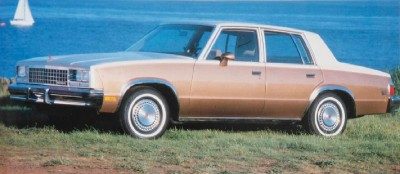
The 1982 Chevy Malibu: A Forgotten Chapter
By 1982, the Chevrolet Malibu had effectively vanished from the mainstream conversation. It was less a core model and more a footnote in GM’s strategy, overshadowed by the rise of the front-wheel-drive Celebrity. The Celebrity wasn’t just a new car; it was the new standard, eating into the Malibu’s market share and leaving the rear-drive sedan as a relic trying to stay relevant.
Production numbers plummeted. GM didn’t bother with variety anymore. The fourteen different body styles and trim levels of previous years were whittled down to just four. You couldn’t buy a base model Malibu. You couldn’t buy a coupe. If you wanted a 1982 Malibu, you had to settle for a Classic sedan or a wagon. That was it. And power? Either a V-6 or a V-8. No frills. No options. Just a utilitarian shell moving down the road.
Visually, the car tried to look busier than it was. Chevy slapped on a new front end that borrowed heavily from the full-size Caprice. A crosshatch grille dominated the fascia, sandwiched between quad rectangular headlights. It was a subtle nod to the brand’s flagship, an attempt to make the compact look larger, more substantial. It didn’t quite work. The Malibu still looked like a smaller, older car wearing a borrowed suit.
Under the Hood: The Diesel Gamble
The real story wasn’t on the outside. It was under the hood, where Chevy threw a desperate curveball at the market: two diesel engines. In an era when gas prices were stabilizing but oil shocks were still fresh in memory, GM bet big on efficiency.
The entry-level diesel was a 4.3-liter (262-cubic-inch) V-6. It made a meager 85 horsepower. This was the same engine found in the front-wheel-drive Celebrity, a clear attempt to share parts bins and simplify maintenance. But for a rear-drive sedan, it felt underpowered.
Then there was the big gun. A 5.7-liter (350-cubic-inch) V-8 diesel. It pushed 105 horsepower. Yes, 105. That was technically a V-8, but it moved the heavy sedan with the enthusiasm of a shopping cart with a bad wheel. This engine was also available in the full-size Caprice and Impala, suggesting GM saw it as a low-cost solution for heavy vehicles rather than a performance option.
The Cost of Efficiency
Mileage was indeed better with these diesels. You could go further on a tank. But the trade-off was brutal. The diesel options were expensive add-ons. Opting for the V-8 diesel added $825 to the base price. In 1982, with a Malibu sedan starting at $8,137, that’s nearly a 10% increase for significantly less power.
And the reliability? Terrible. These engines had dismal repair records. The diesel V-6 was prone to glow plug failures and injection pump issues. The V-8 was heavier, more complex, and just as likely to strand you on the side of the highway. Buyers who chose the diesels for their economy often paid for it in
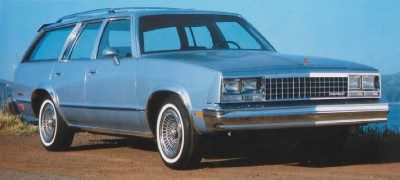
The Final Year for the Classic Malibu
By 1983, the lines were blurring fast. Chevrolet had already started using the Malibu name on the compact Cavalier, a move that felt less like a tribute to heritage and more like a desperate attempt to keep the badge relevant. But for the traditionalists, there was still one last standalone Malibu. It was a sedan and a station wagon, carrying the torch for a body style that was rapidly becoming obsolete in the face of smaller, more efficient imports and the rising popularity of the mid-size segment’s new front-wheel-drive configurations.
The 1983 Malibu didn’t introduce any radical new technology or performance leaps. Instead, it served as a transition piece. It was a holdover design, refined but fundamentally unchanged from its predecessors, relying on the proven V6 and four-cylinder engines that had kept GM afloat during the recession years. For enthusiasts looking back, this model year represents the end of an era—the last time “Malibu” meant a specific, distinct mid-size GM platform before the nameplate was repurposed entirely.
Market Position and Production
With production numbers dropping to reflect the shifting market, the 1983 Malibu was a niche product. It wasn’t the volume leader it once was. Buyers were migrating toward the Cavalier or looking at competitors like the Ford LTD and Chrysler LeBaron, which were already adopting newer architectures. The Malibu’s weight and dimensions remained consistent with the late-70s/early-80s GM X-body and G-body influences, resulting in a vehicle that felt substantial but lacked the agility of its newer rivals.
Price points hovered around the $8,000 to $9,000 mark, depending on trim and options. It was affordable, reliable, and utterly unexciting. Yet, for those who valued straightforward mechanics, easy-to-find parts, and a quiet, comfortable ride, the 1983 Malibu delivered exactly that. It wasn’t a car that sparked passion; it was a car that got you from point A to point B without complaint.
Why It Matters Now
Today, the 1983 Malibu is often overlooked. It lacks the muscle car pedigree of the 1970s models and the modern performance pedigree of the 1990s and beyond. But for collectors and restorers, it represents a specific moment in automotive history—the twilight of the American mid-size sedan before globalization and fuel efficiency mandates reshaped the entire industry.
If you’re hunting for one, expect to find mostly sedans. The wagons were produced in significantly smaller numbers, making them rarer. Condition varies wildly, as these cars were used as daily drivers, fleet vehicles, and taxi cabs for decades. Parts are generally available through GM dealers and aftermarket suppliers, thanks to the sheer volume of similar GM platforms. However, rust remains the primary enemy. The rocker panels, floor pans, and trunk floors are common failure points.
Driving Impressions
Behind the wheel, the 1983 Malibu is characterized by its softness. The suspension absorbs bumps rather than communicating them, which makes it a comfortable cruiser but a poor choice for twisty roads. The V6 engine provides adequate acceleration for merging and passing, though it lacks the torque of larger V8s or the efficiency of newer
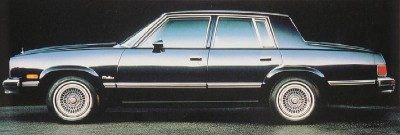
RWD Malibus The end of an era
In 1983, the rear-wheel drive Malibu ended. This is the final bow to a generation that has defined Chevrolet’s midsize lineup for six years. The nameplate was finally revived in the late 1990s, but that was the end of the architectural line.
The 1983 model year was the sixth and final iteration of this model. Buyers can still choose between a sedan or a wagon. From the outside, not much has changed. The body style looks the same as in previous years. However, Chevrolet has stopped using the “Classic” prefix in equipment names. Some of the standard equipment has also been removed. The wheel covers is missing. The exterior moldings is gone.
Engine options have been changed significantly. The 4.4-liter V8 has been discontinued. That leaves the 5.0-liter V-8 as the only V-8 gasoline engine available. The standard power is still the 3.8-liter V6. It produced 110 horsepower. California models switched to the Buick V-6. It has similar specifications but meets stricter emission standards.
The performance options have been slightly increased. The sedan and wagon are equipped with a 150-horsepower 5.0-liter V-8 engine. Before we only had wagons. Diesel buyers still have options. The 4.3-liter V6 diesel engine produces 85 horsepower. The 5.7-liter V8 diesel engine produces 105 horsepower.
Sales bucked that trend. The 1983 Malibu outsold its predecessor in 1982. Total sales were just over 117,400 units. This number is about 22,000 less than the new Chevrolet Celebrity. This was 25,000 more than the struggling Citation.
Why did the six-year-old model survive the release of the new Chevrolet Celebrity in 1982? Celebrity was not an instant hit. Consumers like the simplicity of rear-wheel drive technology. Malibu has a very good reputation. People like this name. There’s a reason it was brought back in 1997.
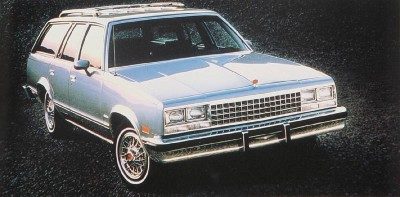
1983 シボレー マリブは、単なるボディのバッジではありません。 それは架け橋でした。 このステーション ワゴン モデルもラインナップに含まれており、信頼できるバッジを犠牲にすることなく荷物スペースを必要とする家族にとって実用的な選択肢となります。
その特定の年の具体的な数字は次のとおりです。
1983 Chevrolet Malibu Facts
model
Malibu (including wagon version)
Weight Range (lbs)
3,199 ~ 3,470
Price range (new)
$8,084 to $8,442
Production quantity
117,426
More articles with pictures about Chevrolet and other great cars:
-
Muscle Cars: A look at tire-burning Chevys and other machines from the golden age of American performance.
-
Sports Cars: Discover the purest joy of sports driving with these fascinating articles on the best sports cars from around the world.
-
Consumer Car Guide: Your source for news, reviews, prices, fuel economy and safety information on today’s cars, minivans, SUVs and pickup trucks.
-
Consumer Guide Used Car Search: Looking for a used Chevrolet or any other used car? Check out these reports, including security reminders and problem areas.
-
All Chevrolet Malibu: The Chevrolet Malibu nameplate didn’t disappear from 1983. Read more about the new era Malibu, born in 1997 and continuing to this day.
-
How Chevrolet Works: Learn about one of America’s greatest car brands, from its inception in 1911, in this richly illustrated history of Chevrolet.