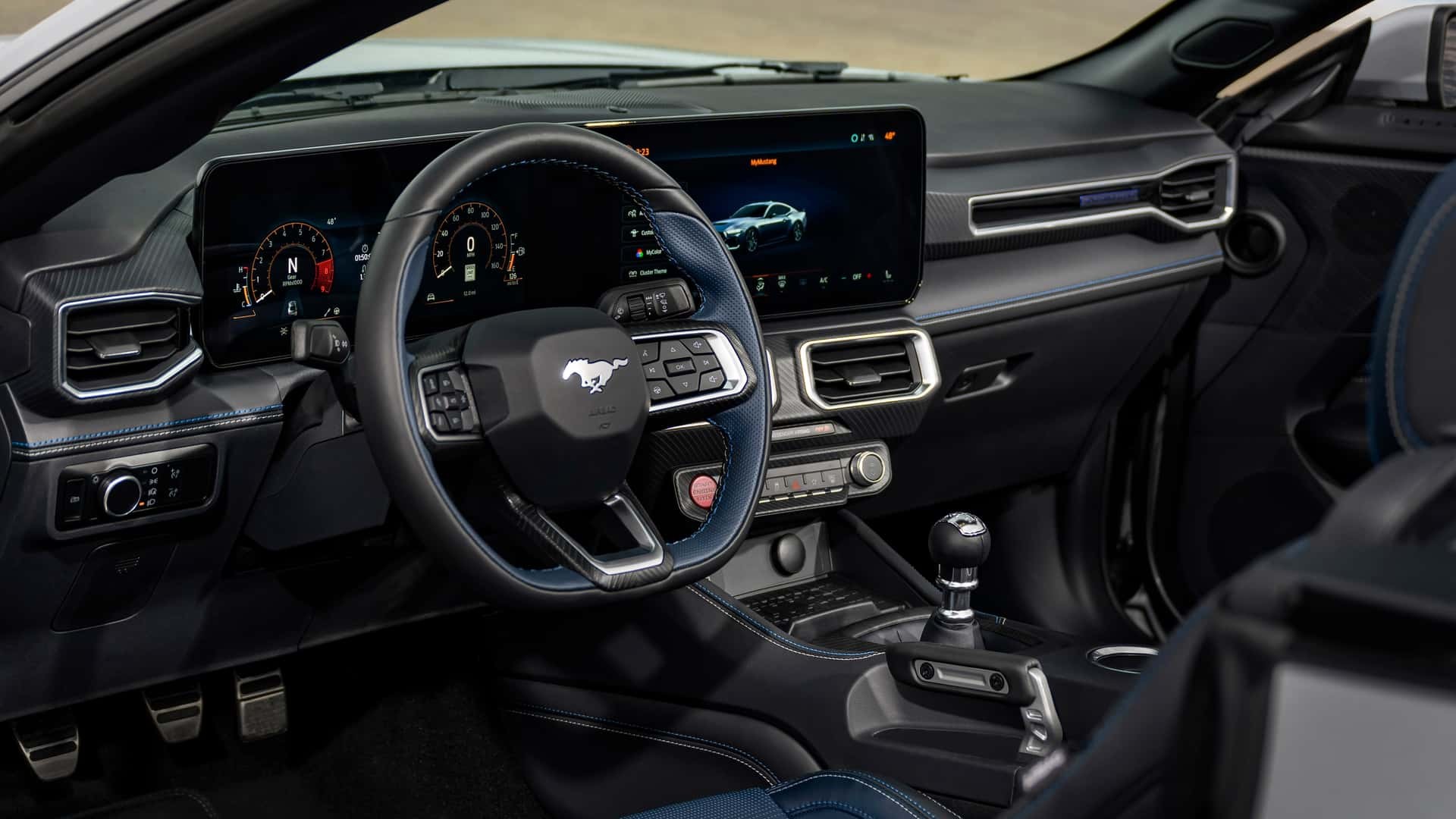
Ford Motor Company CEO Jim Farley has publicly affirmed the automaker’s commitment to keeping a manual transmission option available for the Mustang. This decision flies in the face of industry trends where many manufacturers are phasing out manual gearboxes altogether.
The Persistence of Preference
Currently, Ford offers a six-speed manual transmission with Mustang GT models powered by the 5.0-liter V8 engine. The company did discontinue the manual option for the EcoBoost variant with the introduction of the S650 generation in 2024, making it automatic-only. However, Farley’s statement – delivered to Australian media – was blunt: “Out of our cold, dead hands will we not have a manual Mustang.”
This isn’t just about nostalgia. While automatics have become more efficient and sometimes even faster, the manual gearbox remains a key feature for driving enthusiasts. The appeal lies in the direct mechanical connection between driver and machine—something that even advanced dual-clutch transmissions can’t fully replicate. The point isn’t always raw speed; it’s about feeling in control.
Why This Matters
The shift towards automatics reflects broader consumer preferences. Fewer drivers worldwide now learn to drive a manual transmission, and many prioritize convenience over engagement. The fact that Ford is willing to buck this trend in the Mustang suggests that the company recognizes the importance of catering to a core enthusiast base.
The move also aligns with Ford’s broader approach: it continues to offer a seven-speed manual transmission in the Bronco, another vehicle popular among driving purists. This demonstrates a strategic decision to retain hands-on options in models where demand remains strong.
The Future of Manuals
While the manual transmission may not dominate the automotive landscape, it isn’t extinct. Ford’s stance ensures that the Mustang will remain a viable choice for drivers who value the tactile experience of shifting gears themselves.
Ford’s continued investment in manual transmissions shows that some automakers are willing to protect niche experiences that resonate with passionate customers, even in a market shifting toward automation.