Kimera Automobili, the Italian boutique manufacturer renowned for transforming classic Lancias into modern performance icons, has unveiled its latest project: the K39. Set to make its official debut at the prestigious Concorso d’Eleganza Villa d’Este at Lake Como, the K39 represents a significant strategic shift for the brand. Most notably, it marks the end of Kimera’s reliance on the high-revving 2.1-liter twin-charged four-cylinder engine that powered its earlier hits, the EVO37 and EVO38.
A Delayed Debut with Dual Ambitions
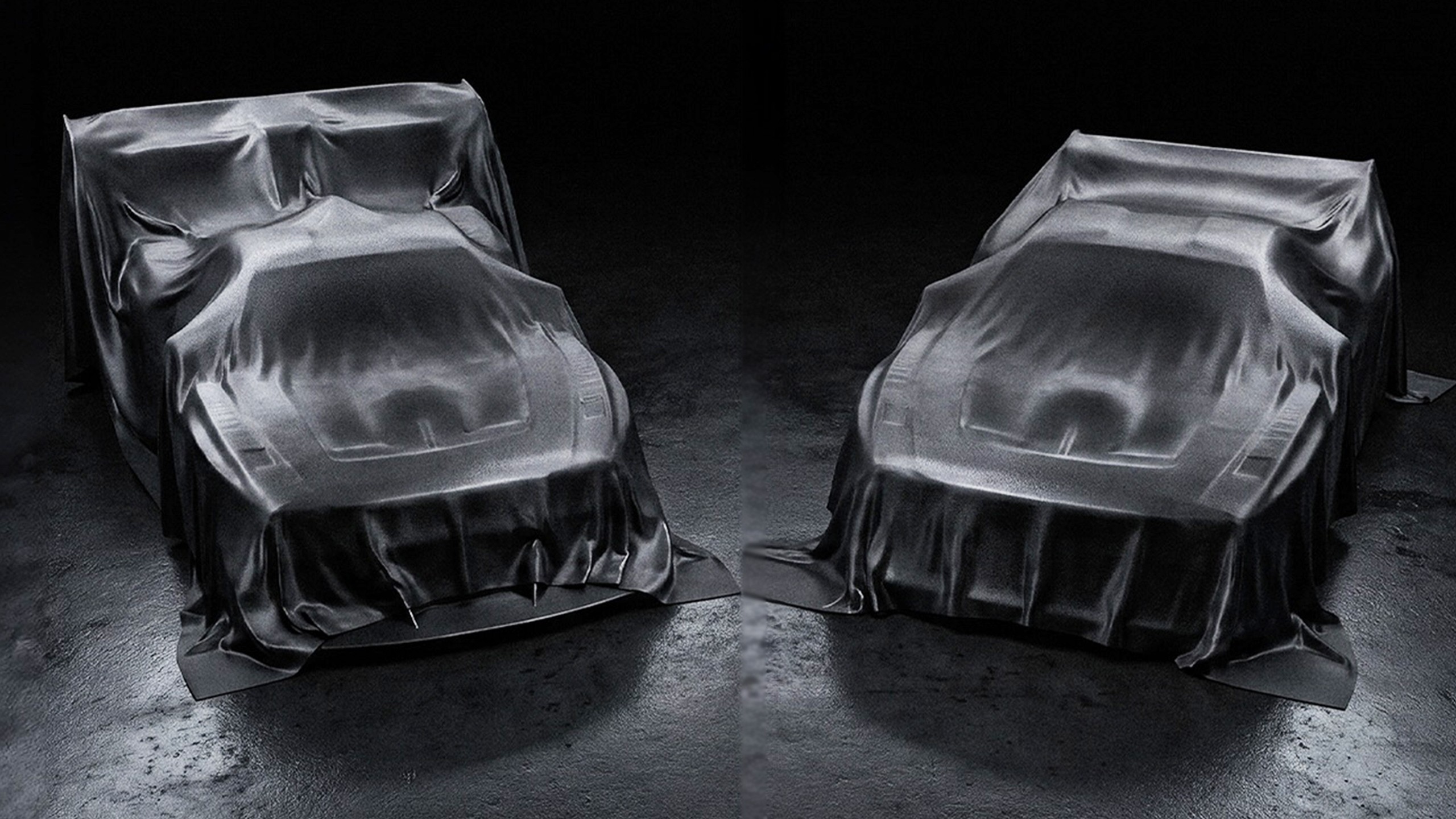
The K39 is not a sudden announcement; the project has been in development for over two years. Initial teasers featuring ultra-realistic renderings appeared in mid-2024, originally promising a competitive entry into the Pikes Peak International Hill Climb for the following year. However, that initial timeline slipped.
According to recent social media updates from Kimera, the K39 is now back on track for Pikes Peak competition next year. More importantly, the brand is expanding its scope beyond pure racing. Alongside the track-focused racer, Kimera will present a street-legal variant at Lake Como. This dual approach allows the brand to cater to both competitive drivers seeking hill-climb glory and enthusiasts who desire the thrill of a restomod without sacrificing daily drivability.
Design: Aggressive Aerodynamics Meet Classic Silhouette
Visually, the road-going K39 retains the aggressive styling cues previewed in earlier renderings. The design language emphasizes function as much as form, featuring:
- A prominent front splitter to manage airflow.
- Large air vents integrated into the hood for cooling efficiency.
- Louvers above the front wheel arches to reduce lift.
- A substantial rear wing, a signature element of Kimera’s aesthetic, providing necessary downforce.
The race-spec version takes these aerodynamic principles to an extreme. While sharing the same fundamental body shape—specifically the hood and front quarter panels—the Pikes Peak machine features a much larger front splitter and a prominent roof scoop designed to maximize engine cooling at high altitudes. The rear wing is also significantly enlarged, reflecting the intense downforce requirements of hill-climb racing.
Powertrain Shift: From Four-Cylinder to V6 or V8
The most critical mechanical evolution in the K39 is its powertrain. Kimera’s previous models relied on a heavily modified 2.1-liter turbocharged and supercharged four-cylinder engine, derived from the Alfa Romeo Giulietta and Lancia Delta. While successful, this unit had reached its performance ceiling.
For the K39, Kimera has confirmed that the four-cylinder is gone. Although specific technical details remain under wraps, teasers strongly suggest the new model will be powered by either a V6 or a V8 engine. This move aligns with the car’s ambitious racing goals; a larger displacement engine offers the torque and power reserve necessary to conquer the challenging gradients of Pikes Peak. This transition signals Kimera’s intent to push into higher performance tiers, moving away from the clever engineering of small-displacement forced induction toward the raw power of traditional multi-cylinder engines.
Why This Matters
The K39 represents a maturation for Kimera Automobili. By moving beyond the proven but limited four-cylinder platform, the brand is demonstrating its engineering capabilities and ambition to compete at the highest levels of historic motorsport. The introduction of a street-legal counterpart ensures that this advanced technology remains accessible to collectors, not just racers.
The shift from a four-cylinder to a V6 or V8 suggests Kimera is no longer just tweaking classics, but redefining them with serious, high-performance hardware.
In conclusion, the K39 marks a bold new chapter for Kimera, combining the brand’s signature restomod philosophy