The automotive landscape of 2026 is defined by a stark consumer rejection of electric vehicles (EVs) and traditional luxury sedans. Through April, sales data reveals a clear trend: American buyers are pulling back from electrification, largely due to the elimination of federal EV tax credits. This policy shift has forced automakers to pause production, cancel models, and pivot strategies.
While the market struggles to adjust, a handful of vehicles have emerged as the year’s worst performers. The list is dominated by EVs, with only two internal combustion engine (ICE) vehicles included—both of which are being discontinued.
The Electric Exodus
The primary driver behind this sales slump is the removal of financial incentives that previously made EVs competitive with gasoline-powered counterparts. Without the tax credit, many consumers have paused their EV purchases, leading to significant inventory gluts and production cuts across the industry.
Audi Q4 Sportback E-Tron: 6 Units
Audi’s entry-level electric crossover has seen its sales collapse, dropping 99% compared to 2025. Only six units were sold in the first four months of 2026. Priced at $60,295, the Q4 Sportback offers 335 horsepower and a 251-mile range. Despite these specs, the model has failed to resonate with buyers who now view the price-to-value proposition unfavorably without government subsidies.
Audi Q6 Sportback E-Tron: 9 Units
Sales for the larger Q6 Sportback are even lower, with just nine units sold. Audi is technically skipping the 2026 model year for this vehicle, which may contribute to the low numbers. Starting at nearly $70,000, the Q6 offers 456 horsepower and 325 miles of range. However, it faces stiff competition from more affordable or higher-performance rivals, such as the Hyundai Ioniq 5 N, which offers significantly more power for less money.
Toyota C-HR: 13 Units*
The only non-EV on the lower end of this list is the newly redesigned Toyota C-HR, marked with an asterisk because it just reached dealerships in early 2026. Toyota has transformed the C-HR from a gas-powered crossover into an electric vehicle starting at $38,450. With 339 horsepower and 287 miles of range, it undercuts many competitors on price but enters a market that is currently skeptical of new EV launches.
High-End Struggles
Luxury EVs are facing particular headwinds, as high price points become harder to justify without tax benefits. Meanwhile, niche technologies like hydrogen fuel cells remain limited by infrastructure.
Audi E-Tron GT: 63 Units
Audi’s performance sedan, which shares its platform with the Porsche Taycan, sold 63 units. With a starting price of nearly $130,000, the E-Tron GT offers 670 horsepower and a 0-60 mph time of 3.3 seconds. The more powerful RS variant starts at $172,390. Despite its performance credentials, the high cost has limited its appeal in a tightening luxury market.
Toyota Mirai: 63 Units
The Toyota Mirai, a hydrogen fuel cell vehicle, sold 63 units, a 90.9% increase from the previous period, but remains niche due to infrastructure constraints. Hydrogen refueling stations are primarily located in California and Hawaii, limiting the car’s practicality for most Americans. Despite a $15,000 fuel subsidy with purchase, the $52,990 price tag and limited range of refueling options keep sales low.
Fiat 500e: 68 Units
Fiat’s sole U.S. model, the 500e, has struggled to find an audience. Only 68 units were sold, prompting Fiat to re-introduce a gas-powered option with a 65-horsepower turbocharged three-cylinder engine—a powertrain deemed underpowered for the U.S. market. The brand’s inability to adapt to shifting consumer preferences raises questions about its long-term viability in America.
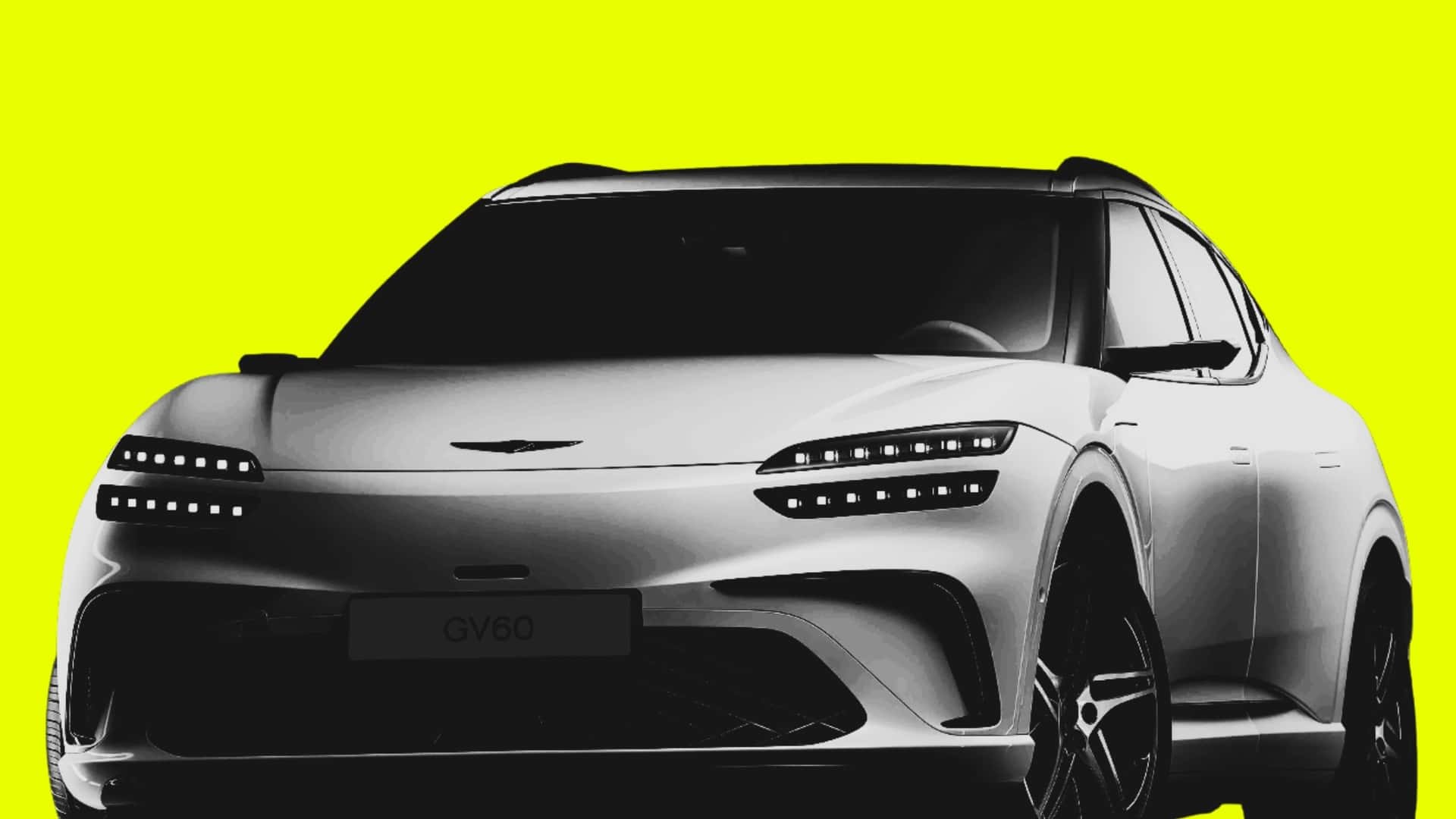
Genesis GV60: 117 Units
The Genesis GV60, Hyundai’s luxury electric sibling to the Ioniq 5, sold 117 units. Starting at $54,020 for the rear-wheel-drive version, it offers 225 horsepower and 306 miles of range. The higher-performance AWD variant starts at $74,020. Despite sharing hardware with the more popular Ioniq 5, the GV60 has not captured significant market share.
The End of an Era for Sedans
While EVs dominate the worst-selling list, traditional luxury sedans are also fading. Consumers are increasingly favoring SUVs and crossovers, leading manufacturers to discontinue iconic sedan lines.
Lexus LS: 143 Units
The Lexus LS is being phased out, with only a limited-run “Heritage Edition” available for 2026. Lexus is producing just 250 units of this final iteration, priced at nearly $100,000. Sales of the LS dropped 42.3% in 2025, reflecting the broader decline in luxury sedan demand. The Heritage Edition features unique dark exterior and interior styling, marking a dignified end for the brand’s flagship sedan.
Jeep Wagoneer S: 175 Units
Jeep’s first fully electric SUV, the Wagoneer S, sold 175 units. Priced at over $67,000, the vehicle offers 500 horsepower and a 300-mile range. While its performance is strong, with a 0-60 mph time of 3.4 seconds, the high price point and Jeep’s traditional off-road brand identity have created a mismatch for many buyers.
Audi A8: 201 Units
The Audi A8, the brand’s luxury flagship sedan, was discontinued in April 2026. Only 201 units were sold, with Audi closing order books to wind down production. At $96,395, the A8 was cheaper than competitors like the BMW 7 Series and Mercedes-Benz S-Class, but it could not compete with the growing preference for SUVs. Audi plans to focus future resources on crossovers, leaving the possibility of a successor open but uncertain.
Conclusion
The 2026 sales data underscores a pivotal moment in the automotive industry, where the withdrawal of EV incentives has cooled consumer enthusiasm for electrification. Simultaneously, the decline of luxury sedans highlights a permanent shift toward SUVs and crossovers. Automakers must now navigate a market that demands greater value and versatility, leaving many legacy models and new EV launches struggling to find their footing.