British sports cars are a funny thing. They’re loud. They’re fragile. And sometimes, they make you pay to build them yourself just to avoid paying taxes.
Colin Chapman founded Lotus in 1952 with a philosophy that leaned heavily into lightweight madness. It worked, mostly.
Simplicity, added to ultimate perfection, is the ultimate sophistication.
Well. Something like that. The reality was messier. Some cars flew off shelves. Others gathered dust, exclusivity often stemming from market apathy rather than intentional scarcity.
Here is the breakdown of what actually moved units.
The modest start
Lotus Seven (1957–73) – 2,473 sold
Rank number 10 isn’t much to write home about in volume, but this thing changed the game. It was a tiny two-seater with no roof and a backbone chassis. Chapman built it so you could commute Monday through Thursday then take it to a racetrack on Saturday.
Brave souls bought “Complete Knock Down” kits. Why? To dodge vehicle tax. You assembled the car yourself, saving cash while building something legendary. It wasn’t comfortable. It was just pure, distilled driving.
The Hollywood pivot
Lotus Esprit (1976–90) – 2,912 sold
- London.
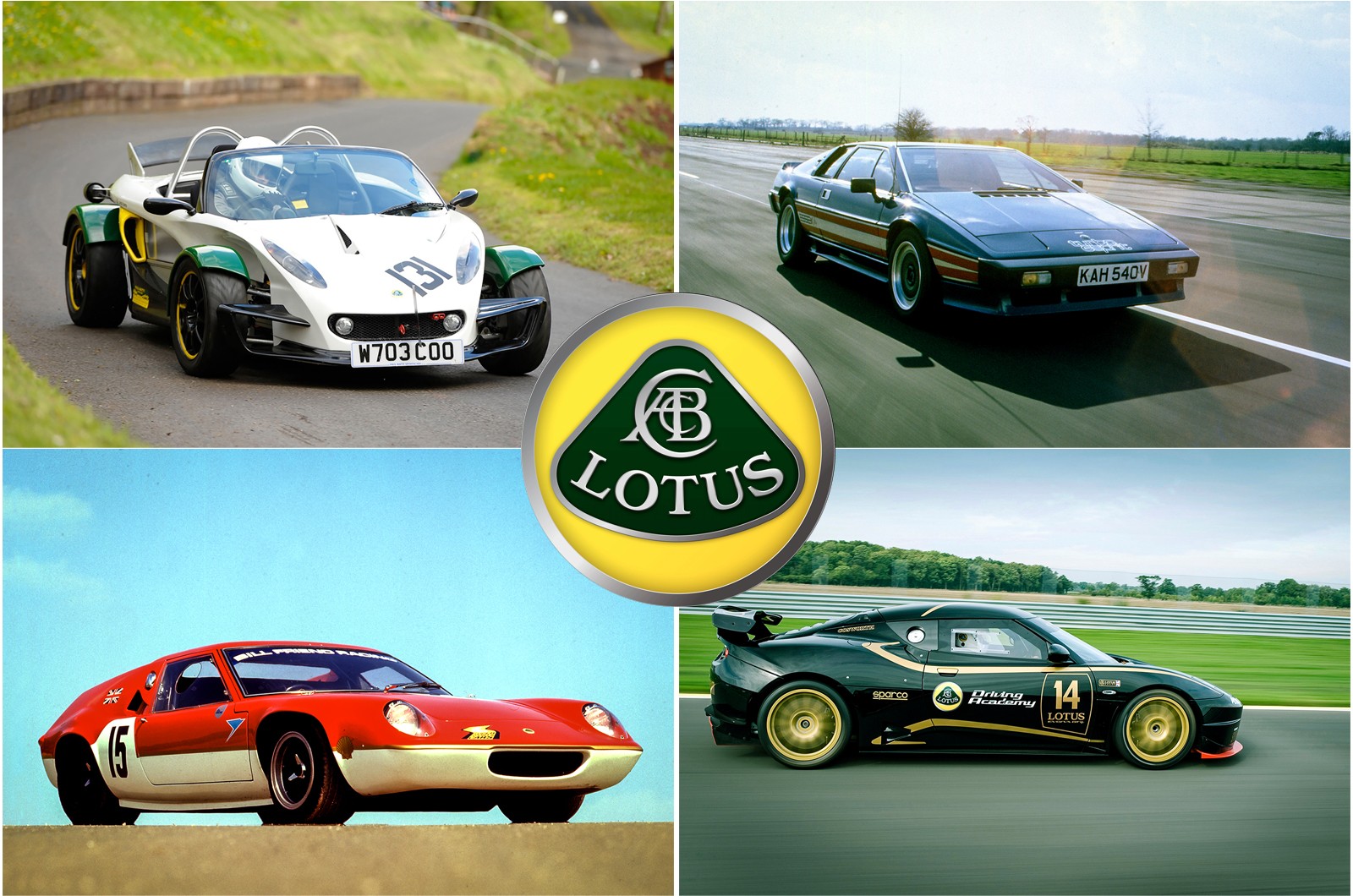
Lotus parked a brand new Esprit right outside the office of Cubby Broccoli. The producer of James Bond noticed. The next film, The Spy Who Loved Me, featured the car extensively. The missile launchers? Never actually functional options for civilian buyers. Just cinema magic.
That publicity saved them. The Ital Design styling was sharp. The handling was competent. Suddenly, the British brand was global again, largely on the back of a spy movie stunt.
The Japanese era
GM came to save the day later. This injection of capital shifted the engineering strategy toward reliability and volume. It also introduced foreign powertrains, which was a controversial move for purists but essential for survival.
Lotus Exige 2S (2006–2011) – 3,261 sold
The Exige started as a racing series derivative. It used a supercharged Toyota 1.8-liter engine. Track days loved it. Why? It was cheaper than the European alternatives but handled sharper than most of them. People bought these things specifically to beat them around a circuit, then bolted on upgrades because the base spec wasn’t quite enough.
Lotus Elan S1 & S2 (1990–1995) – 3,596 sold
Hold up. A front-wheel-drive Lotus?
Yes. The M100 platform was a weird child of GM funding. It used an Isuzu engine. 1.6-liter, with an optional turbo. It was reliable. Uncharacteristically so. The problem was the soul. Or rather, the lack of a rear-drive character. Lotus couldn’t make it profitable. Eventually, they sold the rights to Kia, who kept making it for another three years under a different name. A strange, sad footnote in brand history.
Lotus Elan +2 (1968–1975) – 3,165 sold
The original Elan was brilliant but impossibly impractical. Two small adults. No legroom. Chapman asked himself a question. How do you fix this?
He added two feet. Literally. He lengthened the body by two inches per side, enough for a tiny rear bench. He upgraded to a twin-cam engine to handle the weight penalty. It also became the first Lotus sold entirely assembled, not as a kit. Reliability improved because the factory actually put the car together. It remains a cult classic.
The Elise empire
Then came the 90s. Lotus was close to bankruptcy. The Elise didn’t just help; it resurrected the entire company.
Lotus Elise 1st Gen (1996–2001) – 6,178 sold
The original S1 Elise. A fiberglass body over an aluminum extrusion frame. The roof was a pain to put on, resembling a tent caught in a hurricane. The door sills were high hurdles for entry. Did anyone care? No.
The weight was so low. The steering so direct. People forgave every single ergonomic failure for the driving sensation. It sold enough units to keep the lights on.
Lotus Elise 2nd Gen (2001–2010) – 4,107 sold
GM investment allowed for refinement. The interior actually felt like a car. A 1.8-liter GM K-Series engine replaced the Yamaha unit from the original. Styling borrowed from the M250 concept. It shared DNA with the Vauxhall VX220 and Opel Speedster, meaning parts were somewhat easier to source. Sales dipped slightly from the initial mania of the S1, but consistency improved.
Lotus Elise 3rd Gen / S3 (2010–2021) – 8,932 sold
This is where things got serious. And expensive.
The switch to a Toyota 1.8L supercharged engine provided 218hp in the R models. More power. Smoother delivery. The real unlock was America. Previous Lotus models using GM or Japanese engines often struggled with US EPA emissions standards. This new platform complied. Suddenly, North American enthusiasts had access.
Volume jumped. Nearly 9,000 sold. The Elise isn’t the fastest thing on earth anymore, but it remains the benchmark for driver engagement.
So what now? The EV era looms. Lotus is pivoting to hypercars like the Evija and hybrid sports cars like the Eletre.
The raw, mechanical intimacy of the old fiberglass era seems distant. Maybe a good thing? Maybe a tragedy. The road is winding either way.