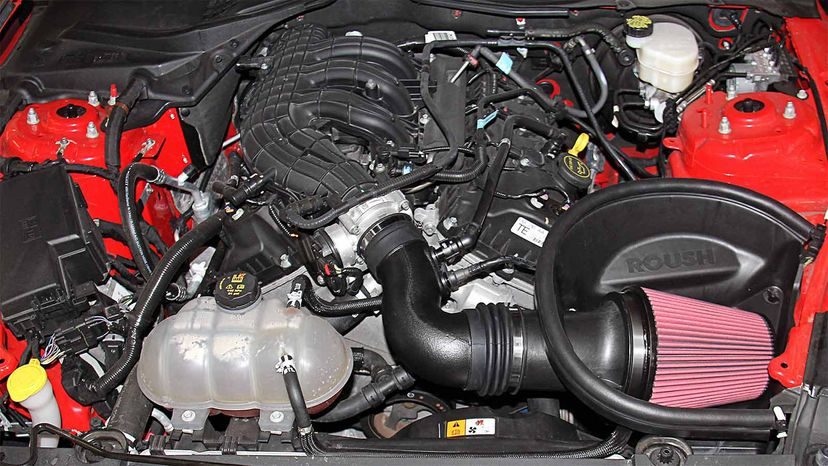
You want more power. You want your car to feel alive. So you look at the big guns: turbochargers, superchargers, and full exhaust swaps. Then you look at your bank account. Then you look at your garage ceiling and realize you don’t want to spend three weekends under a jack just to bolt on some metal pipes.
Enter the cold air intake.
It’s the entry-level ticket to modified performance. Cheap. Easy. Fast. But does it actually do anything, or is it just a loud exhaust note and a placebo effect for people who hate stock air filters? Let’s break down the mechanics, the gains, and the very real risks of swapping your factory intake tube for a aftermarket setup.
The Mechanics of Density and Flow
Think of your stock air intake system as having a stuffy nose. You’re trying to run a marathon while breathing through a straw. The factory box is designed to meet emissions standards, quiet the engine, and protect the filter from debris. It is not designed to feed your engine as much air as possible.
A cold air intake changes the geometry.
It moves the filter outside the hot, chaotic engine bay. Typically, you’ll see them routed to the upper wheel well or tucked near the fender flare. Why there? Because hot air rises. By dropping the intake point lower, or at least away from the heater core and exhaust manifold, you’re harvesting cooler, denser air.
Dense air matters.
Air is mostly nitrogen and oxygen. Cold air molecules pack tighter than hot air molecules. More oxygen per cubic inch means more potential for combustion. When you burn more fuel with more oxygen, you get more power.
It’s not just about temperature, though. It’s about airflow resistance.
Factory intakes use cardboard-like air boxes with sharp bends and restrictive paths to keep noise down. Aftermarket systems swap that box for smooth, large-diameter tubing—usually polyethylene or aluminum. Fewer bends. Smoother walls. Less turbulence. The engine doesn’t have to work as hard to pull air in. This is called reduced backpressure (or more accurately, improved volumetric efficiency).
Does It Actually Add Horsepower?
Here is where the marketing meets reality.
Some manufacturers claim gains of 5 to 20 horsepower. Others promise better throttle response. The truth? It depends on how you define “performance.”
If you are driving a modern, computer-controlled engine, you might not feel a dramatic shift in daily driving. The ECU (Engine Control Unit) adjusts fuel trims to compensate for airflow changes. You might get a slight increase in torque at wide-open throttle, but cruising speed won’t change.
However, the cold air intake shines in combination with other mods.
Pair it with a less restrictive exhaust, and you create a complete breathing system. The intake feeds air; the exhaust lets gases out. When both are optimized, the engine runs more efficiently. That’s where you see the real numbers. On its own? You’re looking at a modest gain, maybe 2-5 percent over stock. Not enough to win a drag race. Enough to justify the purchase if you enjoy the sound and the feel of a more responsive throttle.
The Risks: Hydrolock and Warranty Issues
It’s not all upside.
There is a reason manufacturers put air boxes in engine bays. They protect the filter. They keep water out.
When you move the filter to the wheel well, you are exposing it to road spray. Rain. Mud. Puddles. If you drive through deep water and your filter sucks up a gallon of it, you are looking at hydrolock.
Hydrolock happens when liquid enters the combustion chamber. Liquid doesn’t compress. The piston comes up, hits the water, and bends the connecting rod. Or cracks the block. Or shatters the piston. The engine dies. Instantly. Expensively.
Is this likely? No. Most cold air intakes come with a snorkel or a high-mounted filter to mitigate this. But if you plan to off-road or drive through severe flooding, you need to check for a bypass valve or reconsider the mod entirely.
Then there is the warranty.
Modern engines are tightly regulated. Modifying the air intake can void the powertrain warranty. If you drop your car off for a check engine light and the dealer sees an aftermarket filter housing, they might deny coverage for engine-related issues. It’s rare, but it happens. Check your terms. Or keep the stock box in a box in the garage just in case.
Installation and Cost
The best part? You can usually do this yourself on a Sunday afternoon.
No tools required for some cars. Just a ratchet, a screwdriver, and the patience to read instructions. Most cold air intake kits come with pre-assembled tubes and filters. You remove the stock box, bolt in the new tube, and you’re done. Takes an hour. Maybe two if you’re clumsy.
Cost? Typically a few hundred dollars. Range from $200 to $600 depending on brand and material. Compare that to a $3,000 turbo kit and the value proposition is clear. It’s the highest ROI mod you can buy for a fraction of the price.
The Verdict
Will it transform your car? No.
Will it make you happier? Probably.
The sound is better. The air is cleaner. The throttle response is snappier. And if you keep your eyes on the road and avoid deep puddles, you’ll likely see a small bump in performance that adds up over time.
It’s not a magic bullet. But for the cost, it’s one of the few mods that actually delivers what it promises. Just don’t expect to outrun a Porsche 911. You might just outrun your own expectations.
Common Questions About Cold Air Intakes
Do cold air intakes increase horsepower?
Yes, but modestly. Expect gains in the 5-20 hp range depending on the vehicle and supporting mods. The real benefit is often in throttle response and engine efficiency rather than peak power.
Can a cold air intake damage my engine?
Only if it ingests water. Exposed filters can suck up water from puddles, leading to hydrolock. Use a bypass valve if you drive in wet conditions. Otherwise, the risk to the engine is low.
How much does a cold air intake cost?
Usually between $200 and $600. It’s one of the most affordable performance upgrades available.
Are cold air intakes worth it?
For enthusiasts who want better sound, slightly improved airflow, and a small power bump without spending thousands, yes. For those expecting a massive transformation, no.
Do cold air intakes make a difference?
They change how the engine breathes. The difference is real, but it’s subtle. You feel it more than you see it on a dyno sheet.