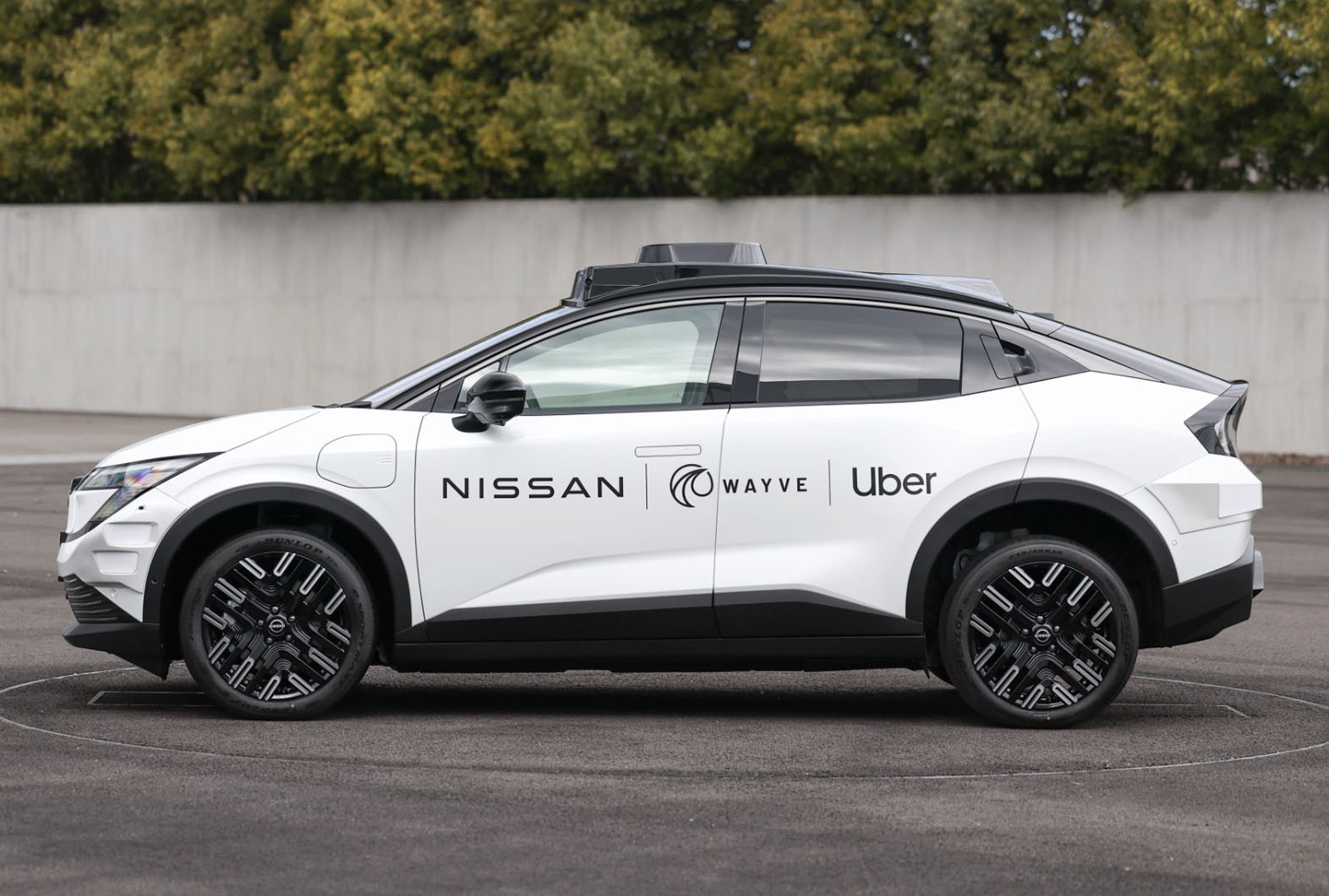
Nissan wants to put a Leaf in the streets of Tokyo. Soon. Or at least that’s the plan. They’re waiting on the government to sign off.
If they do, this isn’t just a standard electric car ride-share. This is part of a bigger alliance. Nissan. Wayve. Nvidia. Uber. All pooling resources for a global robotaxi rollout.
But there’s a catch.
A real one.
Regular Leafs you can buy today? They’re just cars. The robotaxi version is built differently. From the ground up. It uses redundant systems. Think about how airplanes fly. They don’t have just one wire. They have backups. And backups for those. If one system dies, another takes over instantly. No panic. No crash. That’s what Nissan is doing here.
We’re talking about Level Four automation.
That’s the fancy way of saying no steering wheel might even be installed. No pedals. A human isn’t there to bail out the car in an emergency. The machine does it. But it’s not magic. It’s limited. Geofenced, essentially. It’ll work in a specific box in Tokyo, or a city center for deliveries. It knows its bounds.
Level Five? That’s the dream. Driving anywhere, in snow, in hail, on Mars? Maybe. Not today. Today is the Hyperion platform. Cameras. Radar. Lidar. Ultrasonics. In-cabin sensors watching the passengers as much as the road.
Why all that hardware?
To keep engineers focused on the hard part: teaching the car to think.
Enter the Wayve AI Driver. It’s the brains. It doesn’t use HD maps. Those things get old fast. Construction changes, roads move. Wayve says it uses “end-to-end AI.”
What does that actually mean?
It means showing the AI a goal, not a set of instructions. You show it a picture of a clean desk. It figures out how to clear the clutter. It watches real-world data. It learns. It reacts. No human whispering step-by-step commands into its ear.
“Rooted in end-to-end learning… working without the need for detailed high definition maps.”
The car sees everything. 360-degree cameras. Radar pushing forward. Lidar slicing the air. The AI eats this data. It decides what’s a pedestrian and what’s a shadow. It anticipates what others will do before they do it. If you brake suddenly, it doesn’t just stop; it considers why you stopped and adjusts its future moves.
It’s smart. Maybe too smart?
Nissan isn’t just building a bus that drives itself. They’re refining the experience inside. Cabin displays. Communication systems. Making the ride interesting, or at least less creepy when no one’s behind the wheel.
The goal? Expand past Tokyo. Ten cities worldwide. The software is platform-agnostic. It should work on any car. From any manufacturer. Any city. Any weather.
Sound too good? Maybe.
We’ll see if the AI handles a sudden gust of wind better than we do. Or a distracted cyclist.
For now, it’s just a Leaf with more eyes. Waiting for permission. Waiting for the green light. Or maybe just waiting for the sensors to say it’s safe to move.