


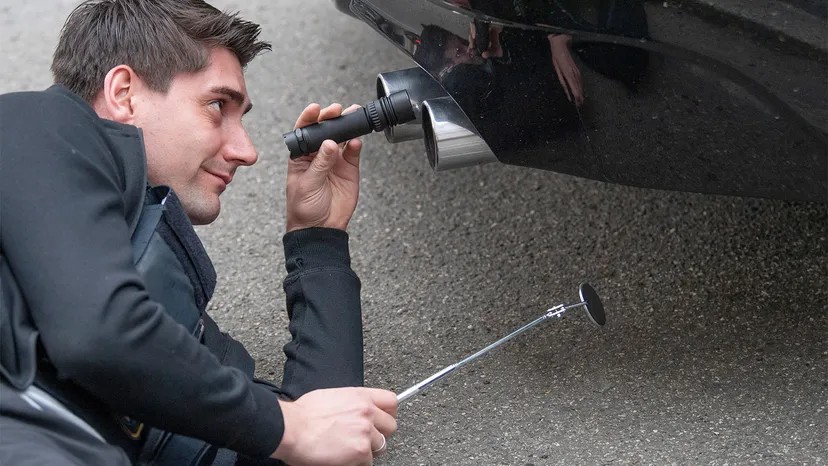
Modern vehicles are quiet. A healthy sedan hums; it doesn’t roar. This silence is a luxury. It means you only notice the noise when something is wrong. When a rattle appears under the hood or a thud echoes from the rear, the car is screaming for help. You need to know what it’s saying. Ignoring it leads to tow trucks and empty bank accounts. Listening leads to fixes.
Here is how to translate the audio cues your vehicle is broadcasting into actionable repair steps.
1. Engine Knocking and Gasoline Quality
Panic first. Logic second. A metallic knocking in the engine usually stems from a simple mistake at the pump. You likely used low-grade gasoline in a high-compression engine. The spark plugs misfire. The pistons move erratically. The resulting percussion is the knock you hear.
Check your owner’s manual. Note the required octane rating. Fill up with the correct fuel. The noise should vanish quickly. Do not tow the car. Do not pay for an immediate diagnostic. Fix the fuel source.
2. Soft Clicking Under the Hood
A soft clicking sound is annoying but often benign. It is frequently caused by low engine oil. Hydraulic lifters need pressure to stay silent. When oil levels drop, they slap against the valve train.
Stop at the next service station. Check the dipstick. Top off if necessary. The click should disappear. If the oil level is full, you have a deeper issue. Oil pressure might be lost due to a blockage or a failing pump. Crud buildup can starve the engine of lubrication. Alternatively, the valve train itself might be worn and need adjustment. Hop you just needed a quart of oil.
3. Roaring Sound During Acceleration
Does your car sound like a jet engine taking off? This roaring sound that increases with acceleration points to three distinct problems.
First, check the exhaust system. A leak forces the engine to work harder, creating a loud, rushing noise. Second, look at the transmission. If you drive an automatic, the gear exchange might be slipping. The engine revs, but the car does not accelerate proportionally. In a manual transmission, the clutch could be slipping.
Transmission repairs are expensive. Diagnosing them is costly. Fixing the exhaust is cheaper. Listen closely to when the noise starts. Hard acceleration? Likely exhaust. High RPMs without speed gain? Transmission.
4. Flapping Noise and the Fan Belt
Hear a flapping sound? It feels like driving on a flat tire, but all four tires are inflated. This is the sound of a broken fan belt.
The fan belt drives the water pump. It keeps the engine cool. If it snaps, the belt slaps against the pulleys. Replacing it is a standard, inexpensive fix. Do not ignore it.
Continuing to drive with a broken belt will cause the engine to overheat. Overheating destroys head gaskets and warps cylinder heads. Those are not cheap repairs. Act quickly. Fix the belt. Save the engine.
5. Whirring Sound Beneath the Car
Noises from underneath a vehicle are tricky. The metal chassis acts as an amplifier. A whirring sound beneath the car can originate from anywhere in the drivetrain.
If the car pulls to one side while the whirring persists, you likely have a bad wheel bearing. One or more of your tires is losing structural integrity. Other causes include worn universal joints, a failing transmission, or a lack of lubrication in the driveline components.
Pinpointing the exact source is difficult for even seasoned mechanics. The sound reverberates. It echoes. Get it to a trustworthy shop immediately. Driving with a failed wheel bearing can lead to a wheel separating from the vehicle. That is not a good day.
6. Loud Bangs and Backfires
An extremely loud bang upon starting the car is terrifying. It sounds like a shotgun blast. A cherry bomb explodes. This is a backfire. It is often accompanied by black smoke from the tailpipe.
This usually indicates a catalytic converter failure. The converter manages emissions. When it shuts down, unburned fuel ignites in the exhaust system. The resulting explosion is loud. The smoke is toxic.
Replacing a catalytic converter costs approximately $2,500. It is a significant expense. If it fails completely, the car will not start. Your neighbors will hate you. Fix it. The alternative is a disabled vehicle and a toxic environment.
Cars talk. Most of the time, they whisper. When they shout, listen. The cost of ignoring the noise is always higher than the cost of listening.
Hissing Under the Hood
That hiss isn’t a snake. It’s your engine complaining. When you pull into the driveway and kill the ignition, that sound usually means a fluid is hitting hot metal. Coolant. Oil. Transmission fluid. Whatever it is, it’s dripping onto components that are burning hot. The noise is the steam or vapor escaping.
It could also just mean the engine is running too hot.
Either way, pop the hood. Look underneath. You’ll likely see a puddle. Black oil. Red transmission fluid. Or that neon green coolant everyone hates. Don’t ignore it. A small leak becomes a blown gasket. Then it becomes a tow truck bill. And a stained concrete driveway. Take it to a pro. Fix it before the damage compounds.
Popping Noise in the Engine
Ignition misfire. That’s what a pop usually is. Specifically, it’s often the spark plugs. If the pop comes with a stutter, a jerk, or hesitation on acceleration, you’ve got a bad plug. Dirty. Worn out. Or just dead.
Could be the ignition coil. Could be the distributor cap if your car is old enough to still have one. But start with the cheapest part. Spark plugs. They’re pennies on the dollar compared to a mechanic’s hourly rate. Go to the auto parts store. Buy a set. Replace them all. Even if one looks fine.
If the popping stops, you saved a fortune. If it persists, now you call the specialist. But you didn’t lose time or money by trying. Replacing plugs is maintenance, not just repair. Do it anyway.
Rattling Beneath the Car
Listen closely. Is it under the driver’s seat? A persistent rattle right there almost always points to the exhaust. Specifically, a loose heat shield or a hanging pipe. The exhaust system expands and contracts. Hangers break. Clamps rust out. Suddenly, you have metal slapping against the undercarriage.
It’s usually visible. Look under the car. Something is dangling. If it’s the exhaust pipe scraping, you might be able to tighten it. A screwdriver. Some heavy-duty tape. Temporary fix. But do it. Before the pipe falls off completely. That’s a loud, expensive repair.
If you see something hanging that you can’t ID, don’t guess. It’s not worth guessing. See a mechanic. Better safe than sorry when it comes to suspension and exhaust integrity.
Screeching When Applying the Brakes
Brakes screeching is a warning. Not a suggestion. If you press the pedal and hear that high-pitched whine, your pads are worn. Sometimes wet tires cause squeal. Water evaporates. The noise stops. But if the screech stays? The pads are gone.
Worse still, if you hear grinding? That’s metal on metal. The pads are completely worn through. Now the calipers are taking the hit. Now you’re replacing rotors too. And calipers. It’s a cascade failure.
Never mess with brakes. Not even a little. If you don’t know how to inspect them, pay someone who does. Your life depends on stopping on command. Keep the system in good working order. Everything else is negotiable. Brakes are not.


