We’ve all been there. You stood in the kitchen staring at the shopping bags. Or maybe you’re trying to carry a box of old textbooks down the sidewalk. My hand hurts. Your back is screaming. You spilled the milk. This is more than just an inconvenience. This is a physics lesson on why the human body is not designed to lift heavy weights.
Cars face the same problem. Except when a car overloads, it doesn’t just complain. This puts a strain on the engine. Gear wears out. It puts everyone on the road at risk.
This is why load capacity is important. It not only helps the health of your car, but also your safety.
What is payload?
Payload is the total weight that the vehicle can carry. This includes everything inside it.
Think of it this way. Your car is a boat. Its job is to move an object from point A to point B. The only limit to what can be safely moved is its payload.
This is an important point that most people forget.
Passengers are counted as payload.
Your dog is also counted as a payload.
The cargo in the trunk counts as payload.
Even the fuel in the tank can affect the calculations depending on how it is measured.
If you ignore this, it’s just a guess. And guessing with heavy loads is dangerous.
Why overload is dangerous
Overloading doesn’t just damage the axle. It’s about control.
Adding weight changes the way the vehicle drives.
- Braking distance extended.
- Suspension compression, ride height changes and stability.
- Tires can wear unevenly and overheat.
- The engine runs harder, which causes overheating and premature failure.
It didn’t just damage the car. You’re risking a crash.
How to check the load capacity of a vehicle
You don’t have to be an engineer to solve this problem. You just need to know where to look.
Each vehicle has a sticker. It is usually located on the driver’s side door frame or inside the fuel filler flap. This is a tire and load information label.
You will notice two important numbers.
- Gross Vehicle Weight (GVWR) : The maximum total mass that a vehicle can safely carry, including itself, passengers, cargo and fuel.
- Tyre Pressure : Set the correct tire pressure to ensure optimal performance and safety.
The formula is simple:
Payload Capacity = GVWR – Vehicle Weight
The vehicle weight is the weight of the vehicle with standard equipment, a full fluid tank and a tank of fuel without passengers or luggage.
Wait. By subtracting the vehicle’s weight from the GVWR, you get the payload. However, the number of passengers has not yet been counted.
The actual calculation would therefore be:
Usable load capacity = GVWR – (vehicle weight + passengers + cargo)
If it’s close to the limit, there’s a problem.
Passenger factor
This is where most people make a mistake.
They see a payload capacity of 1,000 pounds. They thought it could carry 1,000 pounds of cargo.
Wrong.
If you have four passengers, each weighing an average of 170 pounds, that’s 680 pounds gone. Now you have 320 pounds left for
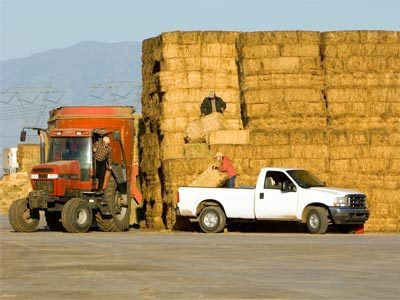
The calculation is very simple. You need two numbers to find out how much weight your gear can support. That’s it. You need the gross curb weight rating (GVWR) and the curb weight. Subtracting these two determines the limit.
Gross Vehicle Weight Rating may sound like company jargon, but it’s just a hard limit. According to the manufacturer, this is the maximum weight the vehicle can withstand. This figure includes steel, glass, engines, fluids (gasoline, oil, coolant) and every pound of passengers, cargo and equipment. Where did you find this number? It is usually located on a sticker on the driver’s side door frame. It is also mentioned in the user manual. It is also listed in third party databases. Don’t guess. Check it out.
The weight of the vehicle is the measurement on the scale when the car is empty and ready to drive. Fill the tank. The battery is fully charged. no one. No luggage. Just a machine.
The calculation formula for payload capacity is just a subtraction calculation.
GVWR minus curb weight equals payload.
Let’s look at the numbers. Let’s say your truck has a GVWR of 3,500 pounds. The weight of the vehicle is 3,000 pounds
3500 – 3000 = £500
That’s it. You have 500 pounds to play with. This is great for people, tools, coolers, and anything else you can put in the back. Once you hit 500 pounds, you are overweight. Suspension compression. Braking is difficult. The warranty will be voided.
Does the situation change if you drive a car or truck? Yes. The margins are tighter. The stakes are even higher.
Loading capacity of the truck
Pickups are different. They are designed for transportation, but that doesn’t mean they have unlimited capacity. In fact, the heavier the truck, the more payload it uses to load a single tool. A heavy crew cab with a diesel engine has a higher GVWR, but also a significantly higher curb weight. You may find that a $60,000 truck can carry less than a smaller, lighter truck.
This is where people get burned. They saw the “1800 pound capacity” on the brochure and thought it could carry a full load of gravel and three friends. They forgot the weight of the tank. They forget the importance of a spare tire. They forget that factory options (towing packages, stronger brakes, larger batteries) add hundreds of pounds to the weight of the vehicle.
If you modify your truck, you eat its payload. Lifting sets add weight. Larger wheels add more unsprung weight. A heavy bumper increases the weight of the front end, which not only doesn’t help with payload, but also stresses the frame.
Be sure to check your VIN. Two trucks with the same model name and year can have vastly different payloads based on engine, cab size, bed length, and accessories. It could be rated for 1,400 pounds. Another similar-looking vehicle could only handle 1,100. The sticker on the door doesn’t lie, but you really have to read it.
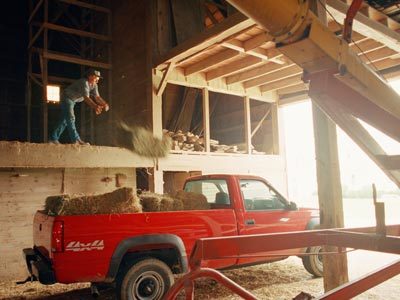
The concept of “carrying capacity” changes greatly depending on whether the cargo is loaded into a pickup truck or a hatchback. You don’t want to be hauling 8 feet of plywood in your compact station wagon. On the other hand, transporting a few bags of groceries in a Class 8 semi is overkill.
Trucks tend to handle heavier, denser loads. To understand why, we need to look at how these vehicles are classified in the United States. The US Department of Transportation (DOT) uses Gross Vehicle Weight Rating (GVWR) as the primary metric. It’s not just about how many elements you add. This is the total weight of the vehicle itself plus everything you put in it.
The government classifies trucks into eight weight classes based on this classification. This is a strict system.
| Weight Class | GVWR limit |
|---|---|
| Class 1 | 6,000 lb (2,722 kg) |
| Class 2 | 10,000 lb (4,536 kg) |
| Class 3 | 14,000 lb (6,350 kg) |
| Class 4 | 16,000 lb (7,258 kg) |
| Class 5 | 19,500 lb (8,845 kg) |
| Class 6 | 26,000 lb (11,793 kg) |
| Class 7 | 33,000 lb (14,969 kg) |
| Class 8 | Over 33,000 pounds |
These categories are more than just bureaucratic labels. These are directly related to the three broad operational categories used by the DOT.
- Light: Classes 1 and 2. These are standard pickup trucks and large SUVs.
- Intermediate: Classes 3 through 5. Think delivery vans, vans and medium-duty chassis.
- Heavy: Classes 6 and above. Construction equipment, large dump trucks and semi-tractors.
Knowing what class your truck falls into will determine its legal and mechanical limitations. If you ignore these limits, you not only risk being fined; It stresses parts of the suspension that are not designed to flex as much.
Once you know which of these categories your truck belongs to, you can determine how much payload it can handle during your trip.
Understanding the truck side of the equation, the car calculations follow the same logic, but by smaller margins.
Car payload
How much can a standard car actually carry? The answer can be found on the sticker on the driver’s side door frame.
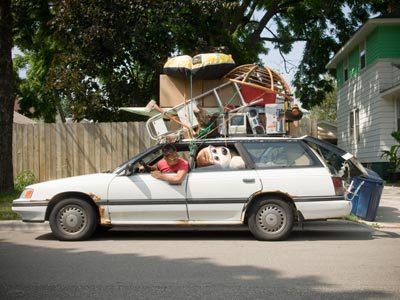
We usually don’t focus on the payload. Not like a truck driver. You probably won’t find yourself standing in the back of a sedan with a calculator in hand wondering if your dog’s total weight meets the criteria. The father does not ask his wife: “Does the load meet the requirements?” Before you take the kids on an cross-country trip. The limit for passenger cars is lower than for trucks. If it’s too heavy, it probably won’t fit in the back seat.
But that doesn’t mean you can load it like a shopping cart.
There are rules. They affect driving. How safe it is!
Passengers are cargo. This is the part that most people forget. Car manufacturers don’t just count metals and plastics. They count people. Specifically, we were looking at 150 pounds (68 kg) per seat. It’s the standard.
Think of an empty seat like a bag of concrete in your car. If the rear seat is built for three people and is empty, a phantom weight of 450 lbs (204 kg) is waiting to be used. You can fill this space with your luggage. Along with food. There are winter tires in the trunk. This way you can utilize your payload capacity. If there were five people, that space would be gone.
This is where math and roads meet.
The reality of SUV payloads
SUVs seem to be able to transport the world. They stand higher. Even more volume. You can expect it to carry more weight than a compact sedan. And they did. However, the margin of error is often smaller than it seems.
Cargo space isn’t the only thing an SUV can carry. It’s all about how well the suspension and brakes hold up. An increase in weight increases inertia. Greater weight means longer braking distance. The tires have more pressure. More bodies roll around the corner.
If you’re planning a trip, don’t just focus on cubic meters of luggage space. Look at the sticker on the door frame. Here are the numbers. It indicates the gross vehicle weight (GVWR). It teaches you to keep your weight down. When you subtract one from the other, you get the payload.
This chapter has it all. And all.
So remember the £150 rule when loading up your SUV. Every seat you free up is weight you can put in the trunk. Every seat you fill reduces your baggage allowance. This is a zero sum game.
Unlike trucks, which have to worry about towing, cars have stricter restrictions. Pressing too hard weakens handling. Didn’t notice it at first. But it’s enough to get noticed. Especially during emergency stops. Or a sudden change of direction.
The next section explains how this changes when you’re not driving. However, the vehicle is heavier and taller. And why the rules aren’t always fair.
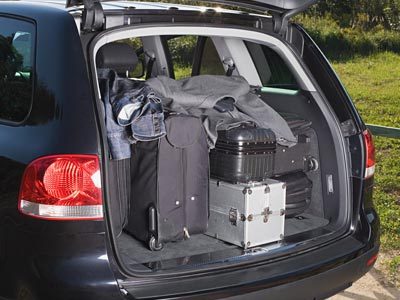
Most people consider SUVs an extreme compromise. You get the pulling power of a pickup without sacrificing passenger comfort or the road usability of a sedan. The reality is even more nuanced. An SUV’s cargo capacity is somewhere between a light truck and a regular passenger car. While they are often better than passenger cars, they rarely match the practicality of pickups.
Interior flexibility is a highlight of the SUV. Fold the rear seats to create a spacious, flat cargo area. This setup can handle bulky, heavy equipment that rattles around in a compact sedan. However, there are severe limitations. Unlike a truck bed, an SUV has a roof. You cannot stack products infinitely.
This is due to safety reasons that are not related to installation.
Why overloading an SUV is dangerous
SUVs have a much higher center of gravity than sedans. Placing heavy objects on the roof or stacking heavy objects in the back makes the whole vehicle unstable. Exceeding the recommended limits significantly increases the risk of rollover. The notion that SUVs are unbeatable means of transportation is misleading. Yes, they can, but they also have a prone to tipping if misused.
Manufacturers took note of this concern. This is why electronic stability control (ESC) is standard on many models. This technology helps keep the vehicle planted during sudden movements.
Law follows technology. As of September 2004, the National Highway Traffic Safety Administration (NHTSA) requires vehicles with a gross vehicle weight of less than 10,000 pounds to have a sticker on the door frame. This sticker indicates the maximum weight of all passengers and luggage. This is a legal requirement, not a recommendation. Ignoring it negates the safety net these vehicles are built on.
So if the label says you have 1,200 pounds left, can you carry more?
Can You Increase the loading capacity?
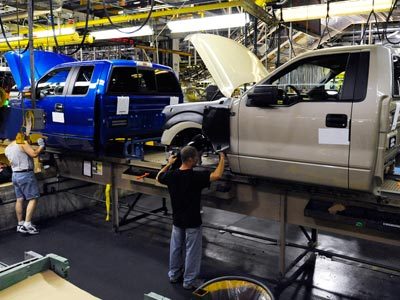
Can You Boost Payload Capacity?
You hit the limit. The scale says no more. So what happens when you find the exact truck you want, but its payload rating falls short of your gear?
Manufacturers know this pain. That’s why they bundle towing packages. They don’t just slap a hitch on it. They upgrade the whole system.
A towing package usually includes a trailer wiring harness and heavy-duty hitch hardware. Safety chains come standard. But the real meat is under the hood. You get a bigger engine. Stronger brakes. A cooling system that actually works under load. These upgrades increase the vehicle’s performance. They help you tow heavier loads safely.
But here is the trap.
Overloading is dangerous. It hurts your passengers. It endangers other drivers. If a cop pulls you over and sees you’re over the limit, you get a ticket. Unsafely loaded vehicle. Nobody enjoys that.
So, how do you find your specific limit?
Find Your Payload by Make
Your vehicle’s payload depends on the year and model. You can’t guess it. You have to look it up. Use the lists below to find your vehicle payload capacity.
Acura Payload
| Year | Model | Max Payload (lbs) |
|---|---|---|
| 2006 | MDX | – |
| RL | – | |
| RSX | – | |
| TL | – | |
| TSX | – | |
| 2007 | MDX | 1158 |
| RL | – | |
| RDX | 870 | |
| TL | – | |
| TSX | 850 | |
| 2008 | MDX | 1158 |
| RL | – | |
| RSX | 870 | |
| TL | – | |
| TSX | 850 | |
| 2009 | MDX | 1158 |
| RL | – | |
| RSX | 870 | |
| TSX | 850 |
More Acura Specs:
– Acura GVWR
– Acura GAWR
– Acura GCWR
– Acura Cargo Carrying Capacity
– Acura Curb Weight
– Acura Towing Capacity
Audi Payload
| Year | Model | Max Payload (lbs) |
|---|---|---|
| 2006 | A3 | – |
| A4 | – | |
| A6 | – | |
| A8 | 1213 | |
| S4 | – | |
| TT | 728 | |
| 2007 | A3 | – |
| A4 | – | |
| A6 | – | |
| A8 | – | |
| Q7 | – | |
| RS4 | – | |
| S4 | – | |
| S6 | – | |
| S8 | 1213 | |
| 2008 | A3 | – |
| A4 | – | |
| A5 | – | |
| A6 | – | |
| A8 | – | |
| Q7 | – | |
| R8 | – | |
| RS4 | – | |
| S4 | – | |
| S5 | – | |
| S6 | – | |
| S8 | – | |
| TT | – | |
| 2009 | A3 | – |
| A4 | – | |
| A5 | – | |
| A8 | – | |
| Q7 | – | |
| R8 | – | |
| S4 | – | |
| S5 | – | |
| S8 | – | |
| TT | – |
More Audi Specs:
– Audi GVWR
– Audi GAWR
– Audi GCWR
– Audi Cargo Carrying Capacity
– Audi Curb Weight
– Audi Towing Capacity
BMW Payload
| Year | Model | Max Payload (lbs) |
|---|---|---|
| 2006 | 325 | 1058 |
| 330 | 1058 | |
| 525 | 1102 | |
| 530 | 1102 | |
| 550 | 1102 | |
| 650 | 838 | |
| 750 | 1058 | |
| 760 | – | |
| M3 | – | |
| M5 | 1058 | |
| M6 | 941 | |
| X3 | 1025 | |
| X5 | – | |
| Z4 | 551 | |
| Z4M | 584 | |
| 2007 | 328 | 926 |
| 335 | 1058 | |
| 525 | 1102 | |
| 530 | 1102 | |
| 550 | 1102 | |
| 650 | 838 | |
| 750 | 1058 | |
| 760 | 1058 | |
| Alpina B7 | – | |
| M5 | – | |
| M6 | – | |
| X3 | – | |
| X5 | 1113 | |
| Z4 | 551 | |
| Z4M | 584 | |
| 2008 | 128 | 882 |
| 135 | 882 | |
| 328 | 926 | |
| 335 | 1058 | |
| 528 | 1102 | |
| 535 | 1102 | |
| 550 | 1102 | |
| 650 | 838 | |
| 750 | 1058 | |
| 760 | 1058 | |
| Alpina B7 | 1213 | |
| M3 | 1014 | |
| M5 | 1058 | |
| X3 | 1036 | |
| X5 |
Payload is not just a number on a data sheet. That’s a hard limit on what you can actually throw in the back of your truck or transport in a minivan without damaging axles or voiding warranties. Between 2006 and 2009, the landscape changed. SUVs became heavier, trucks became more durable, and hybrids began to consume payload instead of improving it.
Here’s the breakdown of max payload for the key models from Chevy, Chrysler, Dodge, Ford and GMC.
Chevrolet payload
Chevy’s lineup was dominated by the Silverado and Suburban during this era. If you’re looking for a Chevy Silverado max payload capacity, the numbers tell the story of high performance versus hybrid compromises.
2006
* Avalanche 1500: 1,387 lbs
* Avalanche 2500: 2,072 lbs
* Colorado: 1,532 lbs
* Express: 2,306 lbs
* HHR: 900 lbs
* Silverado 1500: 1,913 lbs
* Silverado 1500 Hybrid: 1,162 lbs
* Silverado 1500 SS: 1,253 lbs
* Silverado 1500 HD: 3,129 lbs
* Silverado 2500 HD: 3,606 lbs
* Silverado 3500 HD: 5,169 lbs
* Suburban 1500: 1,731 lbs
* Suburban 2500: 2,828 lbs
* Tahoe: 1,522 lbs
* TrailBlazer: 1,194 lbs
* TrailBlazer EXT: 1,429 lbs
Note: Aveo, Cobalt, Corvette, Equinox, Impala, Malibu, Monte Carlo, SSR, Uplander and Malibu Maxx did not show specific payload data in the source records.
2007
* Avalanche 1500: 1,258 lbs (Down from ’06)
* Colorado: 1,316 lbs
* Express: 2,306 lbs
* HHR / HHR Panel: 900 lbs
* Silverado 1500: 1,658 lbs
* Silverado 1500 Classic: 1,913 lbs
* Silverado 1500 Hybrid Classic: 1,162 lbs
* Silverado 1500 SS Classic: 1,253 lbs
* Silverado 1500 HD Classic: 3,129 lbs
* Silverado 2500 HD: 3,458 lbs
* Silverado 2500 HD Classic: 3,606 lbs
* Silverado 3500 Classic: 5,169 lbs
* Suburban 1500: 1,593 lbs
* Suburban 2500: 2,561 lbs
* Tahoe: 1,835 lbs
* TrailBlazer: 1,194 lbs
Note: Specific data had no specific data for Aveo, Cobalt, Corvette, Equinox, Impala, Malibu, Monte Carlo and Uplander.
2008
* Avalanche 1500: 1,444 lbs
* Colorado: 1,316 lbs
* Express: 2,306 lbs
* HHR / HHR Panel: 900 lbs
* Silverado 1500: 1,652 lbs
* Silverado 2500 HD: 3,458 lbs
* Silverado 3500 HD: 3,621 lbs
* Suburban 1500: 1,593 lbs
* Suburban 2500: 2,561 lbs
* Tahoe: 1,835 lbs
* Tahoe Hybrid: 1,830 lbs
* TrailBlazer: 1,194 lbs
Note: Specific data had no specific data for Aveo, Cobalt, Corvette, Equinox, Impala, Malibu, Malibu Classic, Malibu Hybrid and Uplander.
2009
* Avalanche 1500: 1,333 lbs
* Colorado: £1,250
* Express 1500: £2,306
* Express 2500: £3,262
* Express 3500: £4,147
* HHR / HHR Panel: 900 lbs
* Silverado 1500: 1,652 lbs
* Silverado 2500 HD: 3,480 lbs
* Silverado 3500 HD: £3,873
* Suburban 1500: 1,593 lbs
* Suburban 2500: 2,561 lbs
* Tahoe: 1,835 lbs
* Tahoe Hybrid: 1,830 lbs
* TrailBlazer: 1,194 lbs
Note: Specific data had no specific data for Aveo, Cobalt, Corvette, Equinox, Impala, Malibu, Malibu Hybrid and Traverse.
Chrysler Payload
Chrysler’s options were more limited in this segment. The PT Cruiser and Town & Country dominated the passenger/utility space, while the Aspen tried to compete with full-size SUVs.
2006
*Informative payload data is not listed for the 300, 300C, Crossfire, Pacifica, PT Cruiser, Sebring or Town & Country.
2007
* Aspen: £1,600
* PT Cruiser: 1,907 lbs
* Pacific: 889 lbs
* Town and Country: £1,200
Note: Specific data is not available for 300, 300C, Crossfire and Sebring.
2008
* Aspen: £1,600
* Pacific: 865 lbs
* PT Cruiser: 889 lbs
* Town and Country: £1,200
Note: Specific data is not available for 300, 300C, Crossfire and Sebring.
2009
* Aspen: £1,600
* Aspen Hybrid: £1500
Note: Specific data had no specific data for the 300, 300C, PT Cruiser, Sebring and Town & Country models.
Dodge payload
Dodge was a workhorse brand. The Ram pickups and Sprinter vans had significant weight, while the Durango and Dakota held their own in the midsize truck/SUV space.
2006
* Caravan: £1,682
* Charger: 1,270 lbs
* Dakota: 1,750 lbs
* Durango: £1,750
* Grand Caravan: £1,700
* Magnum: £1,270
* ** Ram 1500: 1,750 lbs
* ** Ram 2500: 3,020 lbs
* ** Ram 3500: 4,660 lbs
* Sprinter Van 2500: 3,950 lbs
* Sprinter Van 3500: 3,950 lbs
* Sprinter Wagon 2500:** 4,824 lbs
Note: Stratus and Viper did not have exact data.
2007
* Caravan: £1,682
* Charger: 1,270 lbs
* Dakota: £1,710
* Durango: £1,750
* Grand Caravan: £1,700
* Magnum: £1,270
Nitro: 1.15
Carrying capacity is a hard limit on what can legally be loaded into a vehicle before safety margins are compromised or federal regulations are violated. It’s not just about towing. It’s a person, gear and luggage sitting inside the vehicle. If you look at the data from 2006 to 2009, the difference is huge. Some limousines can only carry one passenger, while other large trucks can only carry a small house.
Let’s break it down by brands. No fluff. if you’re actually loading up, it’s all about the numbers.
Honda payload
2006 was a strange year for Honda. Most of Honda’s range is equipped with a dash. In other words, while there are no specific figures for maximum payloads listed in this data set, there are heavy hitters. The 2006 Odyssey can handle 1,349 lbs. This is a reasonable amount to for a family with children. The Ridgeline is stronger at 1,549 lbs.
By 2007, the Civic got specific. 2007 Civic holds 385 lbs. roughly two people and a few bags. The Element weighs 675 lbs. If you want to hauling firewood, you’re already over that. The Odyssey was a solid 1,349 lbs. The Pilot weighs 1,322 lbs. The Ridgeline has not changed.
2008 was mirrored as 2007. Civic 385 lbs. Element 675 lbs. Odyssey 1,349 lbs. Pilot 1,322 lbs. Ridgeline 1,549 lbs.
In 2009, the Civic was removed from specific payload listings, but the Odyssey and Pilot held their ground. 2009 Odyssey Payload: 1,349 lbs. 2009 Pilot Payload: 1,322 lbs.
Key point: If you want consistent haulage from a Honda in this era, the Ridgeline and Odyssey are the only reliable choices.
Hummer payload
Despite their struggles, the wasn’t playing around. 2006 H1 Alpha is brutal. 3,087 lbs of payload. It was enough for a dozen people in full tactical gear. The H3 is smaller and weighs 1,150 lbs.
In 2007, the H2 back into the fold. 2007 H2 data is not in this chart, but the H3 remains at 1,150 lbs.
That all changed in 2008. H2 Finally you see the number £2,200. The H3 stays at 1,150 lbs.
2009 was the last gasp for H3. H3 Payload increases to 1,312 lbs. Why? They probably replaced some of the interior junk. H3T, pickup version, 1,090 lbs. The H2 stays at 2,200 lbs.
If you buy a Hummer in 2009, you want an H2. It can carry nearly 1,200 pounds more than the smaller H3.
Latest payload
Hyundai is the loser of this era. There is little data. Most 2006, 2007 and 2008 models (Accent, Azera, Elantra, Santa Fe, Sonata, Tiburon, Tucson, Veracruz, Entourage) have a dash. No specific payload limits are listed here. This does not mean that the payload is zero. This means that the data is not in the source table.
Genesis was launched in 2009. Again, there are no exact numbers.
Gaps in the data suggest that either Hyundai is not reporting this information widely, or that the source material lacks details about the trim level of the small sedan. If you’re looking for the Hyundai Payload data for this era, you’ll want to look a little deeper than this snapshot.
Infiniti Payload
Infiniti leaned into the luxury SUV market. The 2006 FX35 can carry 1,183 lbs. The FX45 payload is slightly lighter at 1,091 lbs. The QX56 is a 1,440 lb heavy duty crane.
In 2007, FX35 and FX45 hold their numbers. This table does not have a specific payload list for the G35, M35, M45 and QX56 models.
The year 2008 was interesting. The M35 weighs 996 lbs. The M45 is 1,010 lbs. The QX56 grows to 1,553 lbs. This is a significant increase from 2006. FX35 and FX45 are stable. The new G37 holds 1,040 lbs.
Introduced in 2009 as the FX 50 with a payload of 1,185 lbs. The FX 35 goes up to 1,213 lbs. The QX56 is still £1,553.
If you need to transport heavy equipment in your Infiniti, the QX56 is the only real option.
Isuzu payload
Isuzu is currently in a niche position, but it punches above its weight. The 2006 Ascender can handle 1,133 lbs. The i-280 microphone can withstand an amazing 1,532 lbs. i-350 Capacity 1,190 lbs.
In 2007, the Ascender weighed 1,133 lbs. The name of the i series has been changed. The i-290 is still 1,532 lbs. The i-370 jumps to 1,516 lbs.
In 2008, the i-290 dropped slightly to 1,512 lbs. The i-370 is now down to 1,260 lbs. The Ascender stays at 1,133 lbs.
Isuzu light trucks are underrated. The i-290 consistently offers more than 1,500 pounds of payload, making it more competitive with midsize rivals like the Tacoma.
Jaguar payload
Jaguar is mainly sedans and coupes. Of course, the carrying capacity is lower.
2006: X-Type weighs 1,058 lbs. There is no information for the S-Type, XJ8, XJR, XK8 and XKR.
2007: The X-Type weighs 1,058 lbs.
2008: The X-Type still weighs 1,058 lbs. The new XK weighs 815 lbs. The XKR weighs 772 lbs.
2009: XKR was £772. The XK Coupe weighs 815 lbs.
When you drive a Jaguar, you’re not transporting wood. you were driving Payload limitations reflect the sturdy aluminum frame and luxurious interior.
Jeep payload
The cargo capacity of your Jeep is paramount. The 2006 Commander can handle 1,620 lbs. The Grand Cherokee weighs 1,100 lbs. The Liberty weighs 1,150 lbs. The Wrangler limit is 800 lbs.
In 2007, the Commander’s weight was dropped to 1,310 lbs. The Compass has increased by 925 lbs. The Grand Cherokee drops 1,050 pounds. Liberty is still 1,150lbs. The weight of the Wrangler increased to 1,000 lbs.
2008: Commander, 1,300 lbs. Compass 925 lbs. The Grand Cherokee weighs 1,180 lbs. Liberty Weight 1,150 lbs. The Patriot adds 925 lbs. The Wrangler and Wrangler Unlimited both weigh 1,000 lbs.
2009: Commander is retained £1,300. Compass 925 lbs. Grand Cherokee 1,180 lbs. Liberty Weight 1,150 lbs. Patriot 925 lbs. Wrangler 1,000 lbs. Wrangler Unlimited increases to 1,150 lbs.
In 2009, the Unlimited Wrangler finally matched the cargo capacity of the Liberty. This is huge for SUVs carrying gear.
Kia payload
Kia attracts attention. Rio 2006
Loading capacity according to Mazda model and year
If you look at Mazda’s lineup from 2006 to 2009, you’ll notice a clear distinction between compact sedans and utility vehicles. The numbers are important if you plan to carry anything heavier than a weekend bag.
2006 Mazda Model
The 2006 B Series trucks tell a special story of engine options. Both the B2300 and B4000 models have a maximum payload of 1,260 lbs. For trucks, this number is surprisingly small. But the B3000? Jump up to 1,680 lbs. Why? The V6 engine adds weight to the vehicle and reduces payload space, while the four-cylinder engine has a lightweight frame.
“Despite its more serious engine, the B3000’s payload is significantly higher than its smaller B2300 and B4000 counterparts.”
Sedan and crossover are very different here. The MazdaSpeed6 is a performance variant with a payload of just 963 pounds thanks to heavier brake and suspension components. The standard Mazda6 can handle 1,319 lbs. If you need to transport people or cargo in your MPV, the MPV can carry 1,506 pounds. Tribute is a 988lb middleweight.
Sports cars take a hit. The MX-5 Miata has a weight capacity of only 637 lbs. The RX-8 is slightly better at 779 lbs. Mazda5 Minivan weighs 1,239 lbs.
Updated in 2007
The CX-9 has a payload of 1,493 lbs. The MX-5 settles in at 637 lbs. The RX-8 has dropped slightly to 765 lbs. The Mazda6 drops significantly to 1,080 lbs. Note that the Mazda3, MazdaSpeed3 and CX-7 do not include this year’s payload data in this data set.
2008 regulations
Mazda3 No information yet. The MX-5 has dropped a few pounds to 633 lbs. The Tribute is slightly larger at 1,057 lbs and the Tribute Hybrid is heavier inside but holds 1,083 lbs. The Mazda6 weighs 1,087 lbs. The Mazda5 drops to 1,191 lbs. The B4000 stays at 1,260 lbs.
Last year 2009
B2300 payload reduced to 1,200 lbs. The B4000 stays at 1,260 lbs. The RX-8 drops even further to 754 lbs. The Mazda6 weighs 1,082 lbs. The Mazda5 is still £1,191. Tribute and CX-7 do not show 2009 data.
Mercedes-Benz Payload Limits
The cargo capacity of Mercedes-Benz cars of this era largely depends on the model class. Luxury sedans on these charts often lack a specific cargo list, but SUVs and large R-class sedans carry a significant amount of weight.
2006 Mercedes-Benz
The ML350 is equivalent to 1,616 lbs. The ML500 has a larger V8 engine and weighs just 1,496 lbs. R Class is a tank that can carry 2,000 lbs. Information about other sedans such as C-Class, E-Class and S-Class are not listed here.
2007 Model Year
The E class ended up weighing 1,157 pounds. The G500 G-Wagon offers 1,289 lbs.. The new GL320 can handle 1,086 lbs, while the GL450 jumps to 1,620 lbs. The ML350 grows slightly to 1,635 lbs. The ML320 weighs 1,422 lbs. The ML500 matches the GL450 at 1,620 lbs. Performance The ML63 AMG is 1,257 lbs lighter thanks to durable carbon ceramic brakes and suspension. The R-Class adjusts to 1,635 lbs. The exotic SLR McLaren weighs an amazingly light 626 lbs.
2008 Changes
G500 payload increased to 1,764 lbs. The G55 weighs 1,433 lbs. The GL320 has no data. Both the GL450 and GL550 weigh 1,620 lbs. The ML320 remains at 1,422 lbs. The ML350 can handle 1,635 lbs. The ML550 is 1,620 lbs. SLR McLaren payload has been significantly reduced to 342 lbs. This could be due to the extra weight of the hybrid assist system or the later model track parts despite the heavy weight of the car.
2009 Continuity
The E-Class stays at 1,157 lbs. The GL450 and GL550 are still 1,620 lbs. The ML350 is 1,635 lbs. The ML320 weighs 1,422 lbs. The ML550 is 1,620 lbs. ML63 AMG improved to 1,300 lbs. The R-Class drops to 1,365 lbs.
Mercury payload data
Mercury is Ford’s premium brand and shares most of its hardware with Ford. Payload figures reflect this mechanical affinity, especially in SUVs.
2006-2007 Model Years
The Mountaineer started at 1,549 pounds in 2006 and dropped to 1,443 pounds in 2007. The Monterey Minivan has held steady at 1,320 pounds both years. The Mariner Crossover weighs 1,075 lbs. The Mariner Hybrid has a light payload of 920 pounds. No information is listed for Grand Marquis, Milano, Montego.
Updated 2008-2009
The payload of the Mariner has been reduced slightly to 1,059 lbs. The Mariner Hybrid stays at 920 lbs. The Mountaineer holds at 1,443 lbs. Sable There is no information about the Sedan. Grand Marquis and Milan do not yet have specific payload data in this data set.
MINI Payload Features
MINI cars are light, but in cars like the Cooper Hardtop “cargo capacity” still means the sum of the passengers and their luggage.
2006-2007
The Cooper Cabriolet is limited to 771 lbs. The Cooper Hardtop holds 816 lbs. The difference is the weight of the replaceable upper mechanism and the presence or absence of roof reinforcements.
2008-2009
The Cooper Clubman joins the list with 816 lbs. The load capacity of the Cooper Cabriolet is 771 lbs. The Cooper Hardtop holds 816 lbs. The 2009 Performance John Cooper Works Hardtop and John Cooper Works Clubman both retain the 816-pound limit. Although the turbocharged engine and stiffer suspension add weight, the JCW’s reinforced chassis gives it the same carrying capacity as the standard model.
Mitsubishi payload data
Mitsubishi’s product range in this period ranged from the muscle car-like Raider to the practical Outlander.
2006 model
The Raider is made by Dodge and can carry 1,590 lbs. Montero SUV handles **1,16
Saturn payload
For years, Saturn’s lineup was a mix of practical commuters and midsize crossovers, but cargo capacity varied greatly between models. If you want to carry your gear on the Saturn Ion, check the specifications. The Ion consistently shows a dash for max payload. This means that either the data is lost or the vehicle is not suitable for transporting significant external cargo in addition to the driver.
The Saturn Relay is a minivan based on a truck chassis with a payload of 1,350 to 1,354 pounds in 2006-2007. This is perfect for family hauls. The VUE has been more stable, holding steady at 1,331 pounds from 2006 to 2008 and dropping 1,000 pounds in 2009. The VUE Hybrid fared slightly better in its final years, weighing in at 1,511 pounds in 2007 before leveling off at 1,111 lbs in 2008.
The new model produced mixed results. The weight limit for the 2007-2009 Aura and Aura Hybrid is 1,009 pounds. Saturn’s big crossover, the Outlook, is the mainstay here. It offering 1,678 lbs in 2007-08 before rising to 1,709 lbs in 2009. Sky coupe? No payload rating listed. The Astra introduced in 2008 managed 893 lbs.
Scion Payload
Scion started as Toyota’s youth arm, but its early cars were small and light, making them highly unsuitable for hauling heavy objects. See tC, xA, xB and xD data from 2006-2009. It’s all dashes.
Why is there so little data? These are small and compact hatchbacks designed for efficiency, not utility. The tC Coupe, xB Boxy Wagon, and the smaller xA and xD were all listed with a zero listed max payload every year from 2006 to 2009. If you intend to load these vehicles, you will need to research the curb weight and GVWR calculations yourself, as the standard tables do not provide readily available numbers. Don’t guess. Calculate.
smart Payload
If you drive a Smart Fortwo, you aren’t hauling much. The 2008 model has a maximum payload of just 463 pounds. This is hardly enough to carry a heavy driver, a backpack and maybe a case of water. It’s a city runner. Two people. That’s it. Anything more and you’re flirting with suspension bottom-out and the brakes fade.
Subaru payload
Subaru is known for its all-weather performance, but payload isn’t always its strong suit. The 2006 B9 Tribeca tops the list at 1,560 pounds, while the Baja truck weighs in at 1,070 pounds. The Forester sat around is about 1,060 pounds.
The Impreza series is lighter. Sedan payloads is around 955 pounds for sedans, 995 pounds for wagons, and up to 1,132 pounds for Outback Sport models. The WRX Sti? A paltry 794 lbs. You’re trading cargo space for better brakes and stiffer springs.
There are some differences between the Legacy and the Outback model. In 2006, the Legacy Wagon weighed 1,300 pounds, dropping to 1,290 pounds in 2007, and the Legacy Sedan weighed 1,055 pounds. In 2007, the Outback dropped from 1,245 pounds to 995 pounds, in 2008 it recovered to 1,085 lbs, and in 2009 it returned to 1,078 pounds. The Tribeca’s massive drop-off. It started in 2006 at 1,560 pounds and stayed at that level until 2007, before dropping to 660 pounds in 2008 and 2009. If you plan to haul heavy gear in your late-model Tribeca, check the owner’s manual.
Suzuki payload
Suzuki’s products vary from economical cars to durable SUVs. The 2006 Aerio carried 955 lbs, the Forenza 981 lbs and the Grand Vitara 1,175 lbs. The XL7 was the heavy hitter at 1,168 lbs.
By 2007, information was scarce. The XL7 jumped to 1,626 lbs, a significant increase, but the Aerio, Forenza, Grand Vitara, Reno and new SX4 show no data. This is a red flag. Lack of data usually means that the vehicle does not have a high payload or the data is not standardized.
The 2008 and 2009 models clarified this a bit. Both the Forenza and Reno have a capped at 926 lbs. The Grand Vitara held at 1,178 lbs. The SX4 managed 893 lbs. In 2008, the XL7 remained at 1,626 pounds, but in 2009 it was no longer available. The Equator pickup’s 2009 payload capacity is not listed.
Toyota payload
There is a reason why Toyota dominates this segment. The numbers are strong and consistent. From 2006 to 2009, the 4Runner’s weight remained stable at 1,285 lbs. The Land Cruiser’s weight jumped from 1,500 pounds in 2006-2007 to 1,585 pounds in 2008 and 2009.
Trucks and large SUVs are the main players. The Tundra’s weight peaked at 1,835 kg in 2006, dropped to 1,470 kg in 2007-2008, and then returned to 1,540 kg. No, wait, the Tacoma’s payload capacity was 1,540 pounds in 2006, dropped to 1,415 pounds in 2008, and back to 1,540 pounds in 2009. The 2009 Tacoma has a payload capacity of 1,540 pounds.
The Highlander was the payload king, coming in at 1,840 pounds in 2006, 1,844 pounds in 2007, 1,821 pounds in 2008 and 1,821 pounds in 2009. The Highlander Hybrid also fared well, dropping from 1,602 pounds to 6,070 pounds. pounds. From 2008 to 2009.
The Sienna minivan has even more changes. In 2006 it was 1,570 pounds, dropped to 1,420 pounds in 2007-2008, and rose to 1,513 pounds in 2009. The Camry and Corolla are sedans, so they’re light. The Camry weighs about 1,059 pounds, the Corolla 1,055 pounds, and the 2009 model 1,113 pounds. The Prius is light, weighing in at 1,085 pounds in 2006, dropping to 863 pounds in 2007-2008, but no data is available for 2009.
The cargo capacity of the FJ Cruiser is strong. In 2007-08 it was £1,280 and in 2009 it was £1,325. The Matrix weighed 1,166 pounds in 2006-2008, but no data is available for 2009. The Sequoia has dropped from 1,510 pounds in 2006-2007 to 1,280 pounds. In 2008, the Avalon’s weight remained around 1,070 to 1,075 pounds. Cargo capacity information for the Yaris and Venza is not given.
Public payload
Volkswagen’s cargo capacity is closely related to its body style. In general, passenger cars and wagons can hold more luggage than coupes. The 2006 Passat saloon tops the list at £1,140. Beetle convertibles and Coupés weigh 772 kilograms. The Touareg SUV weighs 1,400 kilograms.
The Jetta is consistent. From 2007 £1,094.