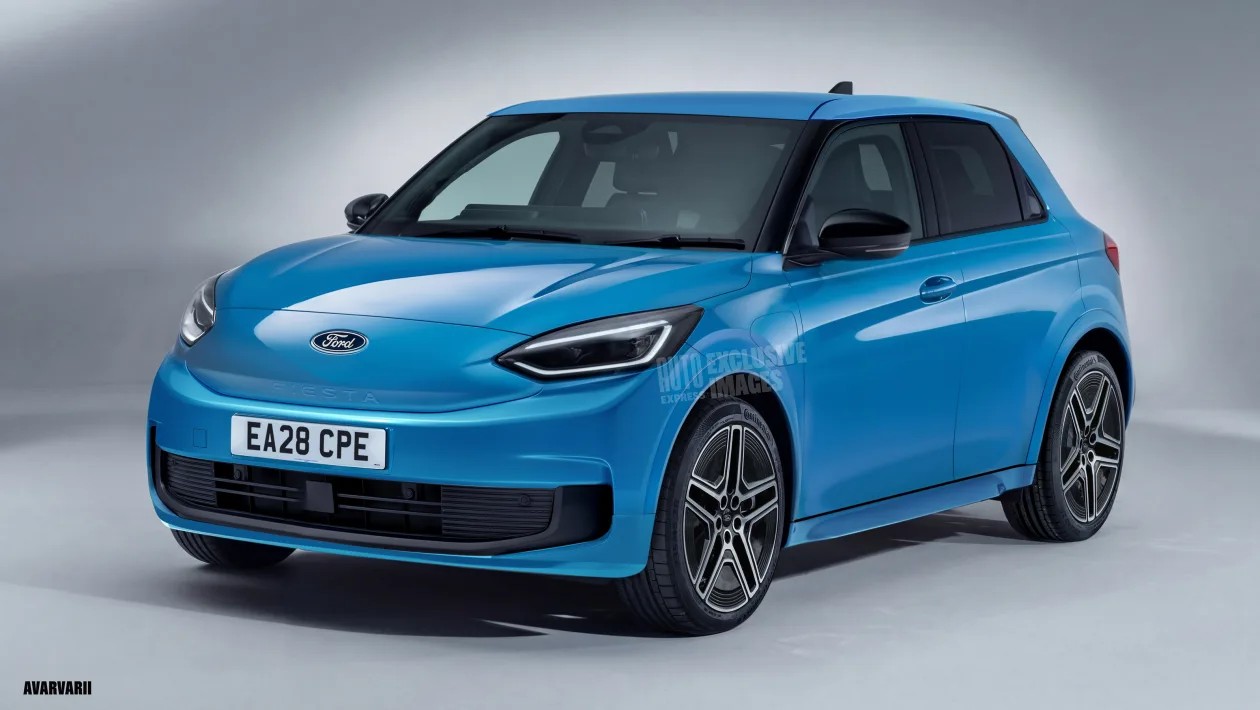
Three years of silence. It feels like forever when you are waiting for the return of Britain’s favorite small car. The Ford Fiesta isn’t dead. It’s just hiding in plain sight, waiting for 2028 to step out of the shadows.
Ford isn’t doing this alone anymore.
They’ve hooked up with Renault. A proper partnership, not just a handshake across a boardroom table. This deal unlocks access to the AmpR Small architecture. You know the one? It carries the Renault 5. The Nissan Micra. Even the upcoming Twingo. Ford plans to drop the Fiesta badge back onto this skeleton and build two new models. Both electric. Both aiming to launch before the end of the decade.
Fans might sigh. Maybe even mourn. A gasoline purist will hate an electric Fiesta. But Ford is banking on one thing: driving dynamics.
They call it “rally-bred.” Big words for a car built on shared French parts. Ford wants to prove that you can put a shared battery pack inside and still make the thing dance around corners. They’re promising distinct designs. Unique chassis tuning. They’ve done it before with the Explorer and the Capri SUVs which share bones with the Volkswagen ID.4 but drive like entirely different animals.
Jim Baumbick, Ford of Europe president, says they’ll own the design, the steering, the brake feel. The “DNA.” He sounds confident. Too confident? We’ll see.
“Ford will lead on the development… to inject the uniquely Ford DNA.”
So, what will it actually be?
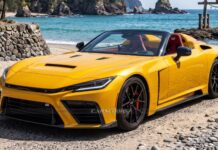
Expect it to look like a Fiesta, not a Renault 5 in drag. Ford’s designers will skin the platform to fit their own language. Sharper. More dynamic. Dimensions will be similar to the Renault, obviously, since the wheelbase and wheel positions are fixed. But the body? That’s Ford’s call.
And under the hood—or under the floor, really?
The Renault 5 offers a choice of 40 or 52 kilowatt-hour batteries. The big one pushes range to 252 miles. The motor peaks at 148 horsepower. Good for a city car. Not exactly track territory.
Ford says this partnership is about speed and scale. They are building these cars in France. Renault’s new “ElectriCity” plant. They’re borrowing Renault’s R&D muscle too, learning how they whipped up the Twingo in barely two years. Ford wants the Fiesta in showrooms by 2028. That is fast for the industry. Very fast.
Is there hope for speed freaks?
The ST badge didn’t die with the ICE version. Ford loves performance. The Mustang GTD. The Ranger Raptor. They lean into enthusiast products. It’s their bread and butter.
Could a high-performance ST version return? Maybe.
The Alpine A290 sits on this same AmpR platform. It pumps out 217 horsepower to the front wheels. It has wider tires, stiffer suspension, bigger brakes. Take that chassis, give it a Ford ST badge, and suddenly the electric segment gets a pulse. Ford hasn’t said yes yet. But Baumbick talks about emotional connections. He talks about passion. The ST would be passion, distilled into 0-62 times under eight seconds.
What about the other model in this duo?
Don’t bet on the Focus making a comeback via Renault. This deal is for small cars. B-segment stuff. The Focus lives in C-segment, which Ford handles with Volkswagen. So keep your expectations for a Focus revival on hold.
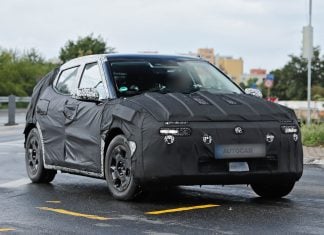
This second Renault-borne EV will likely slot alongside the Ford Puma Gen-E as a “baby” SUV or maybe even revive the Ford Ka nameplate using the Twingo’s base. It’s an augmentation. Not a replacement. They are trying to fill holes in the affordable electric market, not overhaul the lineup entirely.
There is a catch, of course.
None of these cars will roll off a line in Britain or Germany. They’ll come from Northern France. And while Ford talks about iconic heritage, the mechanical reality is shared DNA with Paris and Nissan. Some purists won’t like the taste of it.
But will they buy it anyway?
If the driving feel is sharp? If the price is right? If it actually drives like a Ford should?
Ford CEO Jim Farley says they are combining industrial scale with Ford’s spirit. “Fun, capable, distinctly Ford.” That is the pitch.
We will have to wait until 2028 to see if the rally-bred marketing holds water or if it’s just a press release dressed up as a promise. The gap feels wide. But the car is coming.