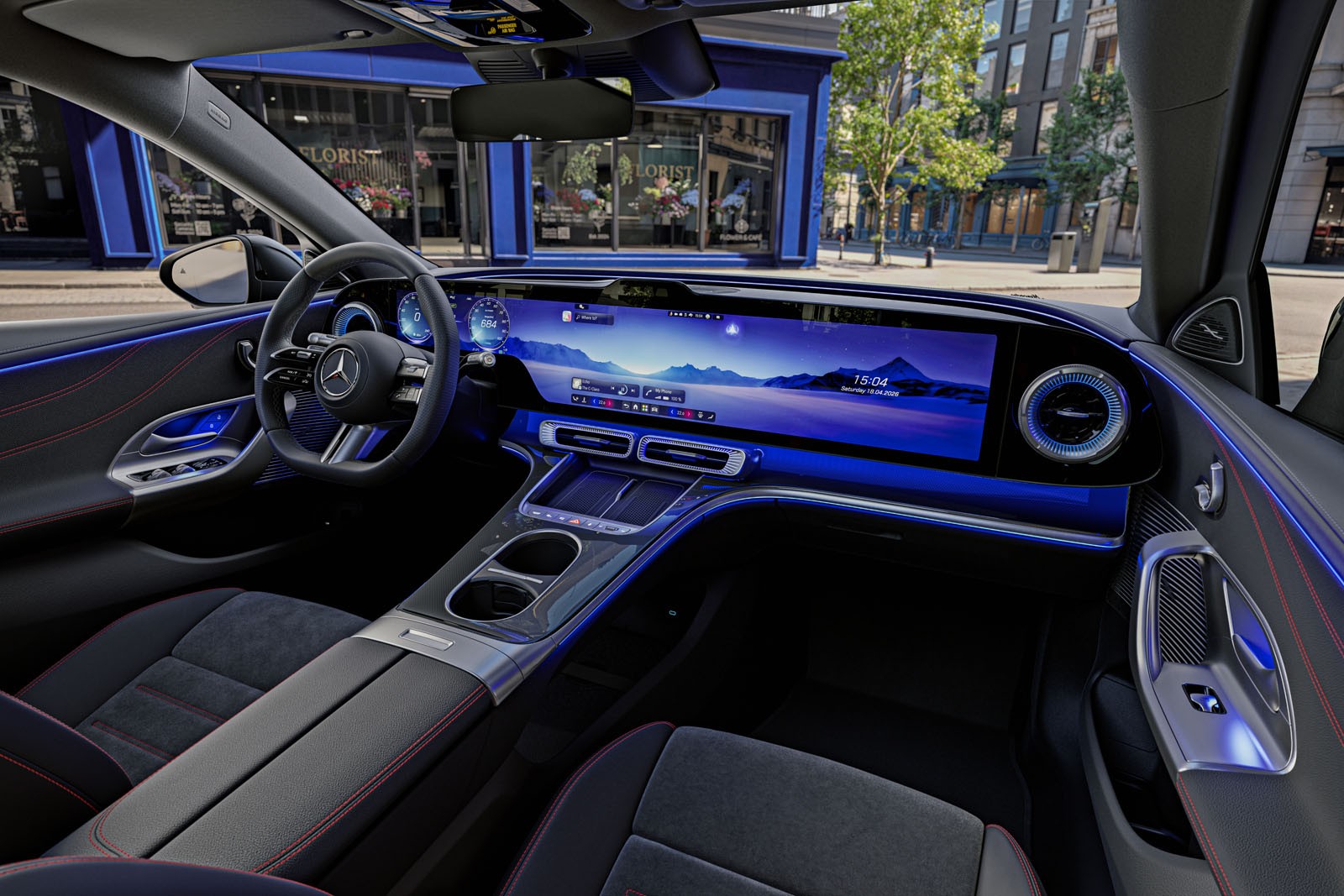
Mercedes-Benz has released the first official images of the upcoming C-Class EV, offering a glimpse into a cabin defined by massive digital displays and high-end luxury. Scheduled for an official unveiling in South Korea this Monday, the new electric model is expected to hit the market this summer, positioning itself as a direct competitor to the BMW i3 saloon.
A Digital Command Center: The Hyperscreen
The most striking feature of the new interior is the 39.1-inch MBUX Hyperscreen. This massive, dashboard-spanning display follows the design language established by the larger electric GLC, signaling Mercedes’ commitment to a “digital-first” user experience.
While the screen dominates the visual landscape, Mercedes has maintained a balance of usability:
– Physical Controls: To prevent driver distraction, the center console retains tactile buttons for essential functions such as audio volume, drive modes, and parking camera toggles.
– Connectivity: The console also houses dual wireless charging pads for smartphones.
Performance and Platform
Underpinning this high-tech cabin is the 800V MB.EA platform. This architecture is a significant technological leap for the C-Class line, as the 800V system enables much faster charging speeds and higher efficiency.
This platform is expected to deliver a substantial driving range of over 450 miles, a crucial figure in the competitive luxury EV market where “range anxiety” remains a primary concern for consumers.
Premium Comfort and Sensory Experience
Mercedes is aiming to “set new benchmarks” for interior quality by blending traditional luxury with modern, sustainable options. The cabin will feature:
– Material Versatility: Options range from premium Nappa leather to vegan leather, marking only the second time the brand has offered a fully plant-based interior option.
– Advanced Seating: New “electro-pneumatic” seats are designed for long-distance comfort. These seats use technology to adapt the backrest to the user’s spine curvature and include heating, ventilation, and massage functions.
– Immersive Audio: High-end models will feature the Burmester 4D Surround Sound System. This system uses “exciters” embedded in the seats to transmit bass directly to the passengers, allowing them to physically feel the music.
Engineering for Silence
A common challenge for electric vehicles is the lack of engine noise, which can make wind and road noise more noticeable. Mercedes has addressed this through “acoustic comfort” engineering. To ensure an exceptionally quiet cabin, the C-Class EV utilizes:
– Laminated side windows to dampen external noise.
– Specially refined electric motors designed for quieter operation.
– An optimized air-conditioning unit to minimize airflow noise.
The C-Class EV represents a strategic shift for Mercedes, merging the high-performance 800V architecture of its larger models with the compact, premium appeal of the C-Class lineage.
Conclusion
The upcoming C-Class EV marks a major evolution for the brand, moving toward a highly digitized, ultra-quiet, and sustainable luxury experience. Its success will likely depend on how well it balances this massive technological leap with the practical range demands of the premium electric segment.