Some motorcycles vanish because sales flatline. Others fade because the world outpaces them. The liter-class superbike sits in this weird middle ground. They look like poster kids for speed. They are ridiculous machines. Close to a race bike, minus the paddock crew and with mirrors. But their world is shrinking. Regulations bite. Buyers shift. Owning 200 horsepower feels less like freedom and more like a liability with each passing year.
The Formula Is Breaking
It used to be simple. Big power. Sharp angles. A crouching stance. Race DNA. You bought a superbike to prove a point, not to commute efficiently. Practicality was never the goal. Now the math doesn’t add up. Emissions laws tighten. Electronics cost millions. Fewer riders walk into showrooms asking for a weapon. Manufacturers hesitate to spend cash on machines for a niche audience.
“The market doesn’t need a missile anymore. It wants a car with training wheels removed.”
The Competition Got Smarter
Performance didn’t die. It got comfortable. Naked bikes now accelerate like liter-class monsters but let you ride upright. ADV bikes do everything. Commute, tour, hit dirt. Sport-tourers are fast and tech-heavy. Retros have modern engines. Riders have choices. Why squeeze into a tank and claw at clip-ons when you can go fast elsewhere?
It isn’t that we hate speed. We hate compromise. Buyers want power without the back pain or the maintenance nightmare. The traditional superbike demands too much. The alternatives demand less and deliver enough.
Track Needs Beasts. Streets Do Not.
This is the awkward part. Racing needs homologation monsters. Manufacturers need fast show cars to look like the things they race. The street does not. Most of us cannot use that power. We leave it on the dyno or the track. On the road? You’re piloting a machine built for apexes and curbs.
Spec sheets sound silly now. Vicious brakes. Surgical chassis. Electronics that manage your ego. Wheelie control. Traction management. Launch control. It’s amazing on a circuit. It’s terrifying in traffic. The bike expects medical staff at every corner. Does your neighborhood have one?
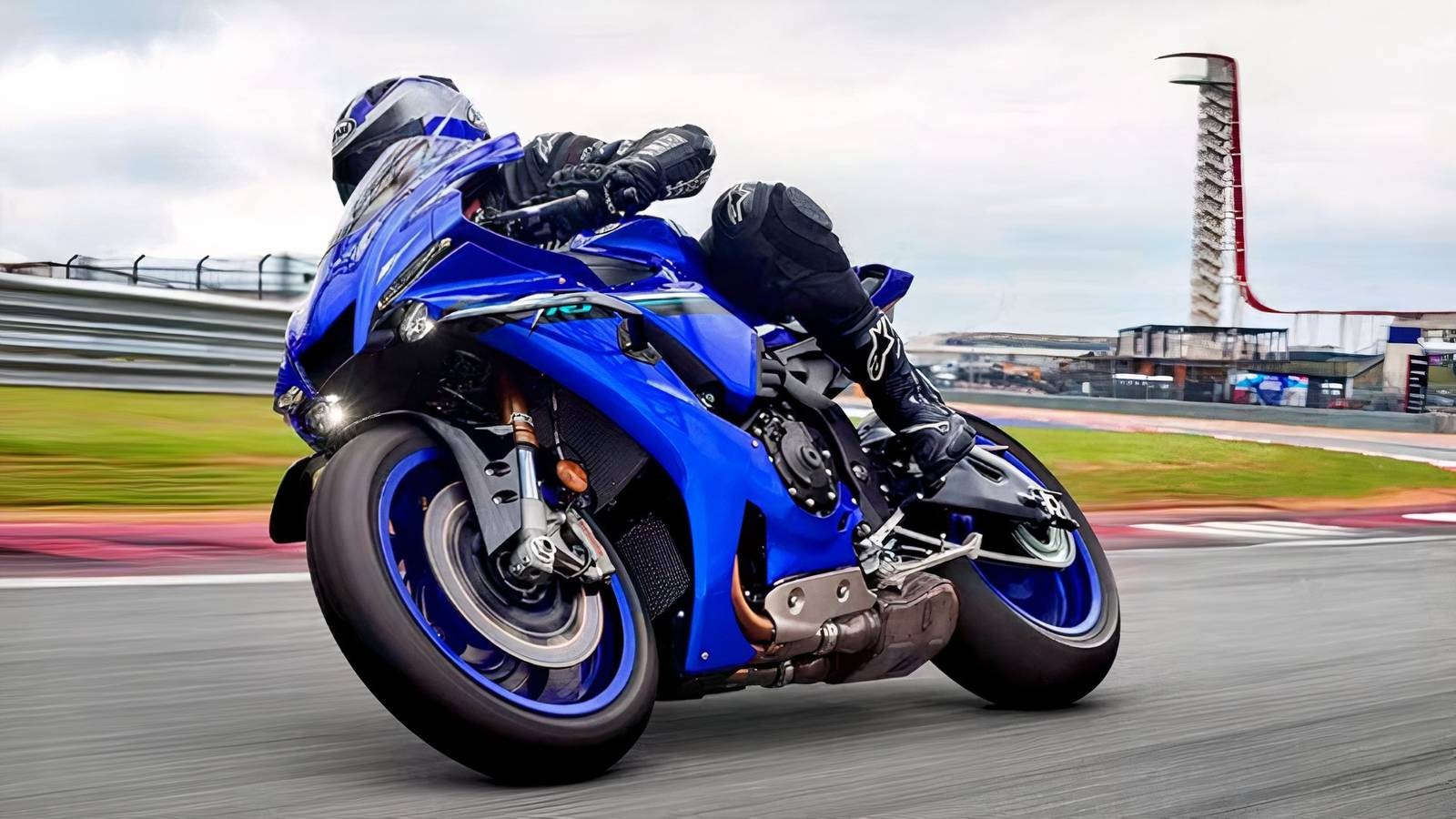
Yamaha R1: The Final Bow
Enter the Yamaha YZF-R1. If this disappears, you will talk about it like a lost legend. Europe already kicked the bucket on the road-legal version. As of 2025, it is track-only there. The U.S. still gets one. Listed at $19,199. Destination charges add pain later.
It remains the blueprint. 998cc inline-four. Crossplane crankshaft. YCC fuel injection. Slipper clutch. 4.5 gallons of gas. 33 mpg estimated. Not casual. Not friendly. Just raw.
Europe Said Bye. Will America Follow?
Yamaha won’t admit it’s dead. Nobody will. But Europe shows how fast rules change. Emissions, demand, reality. All pointing to retirement. Superbikes don’t die from lack of love. They die from lack of buyers.
Why keep it? The CP4 engine. MotoGP-derived crossplane layout. Power pulses differently here. Linear. Connected. You feel the rear tire grip. It’s rhythm, not just noise.
The hardware matches. Deltabox frame. Adjustable KYB suspension. Brembo calipers. Carbon fiber winglets inspired by the factory racer. Electronics via IMU help you ride it. They don’t tame it. The R1 asks something from you. Low clip-ons. Intense focus. Every normal road feels too small for what it wants.
Irreplaceable
You can buy newer bikes. Faster bikes. Pricier bikes. None will feel the same. The R1 lives in a rare space. Japanese precision mixed with weirdness. Polished but not sterile. Advanced but present. Familiar yet strange.
It’s still sold in America. That matters. But Europe is the warning light. The genre is dying. The R1 is the last pure form of an idea. A race-bred monster for the street. It doesn’t care if the market moved on. We should probably care that it does.
When the line stops production? We will look back.