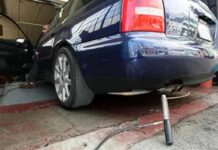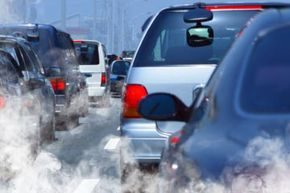
It starts with the smoke you can see and the stuff you can’t. Motor vehicles pump a cocktail of pollutants into the atmosphere. The heavy hitter here is particulate matter. It’s a mix of organic debris and inorganic grit. You have dust, soil, acids, metals, and chemicals swirling together. Most of it is microscopic. The smaller the particle, the worse it is for you. Anything under 10 micrometers slips past your body’s defenses and lodges in your lungs. Once it’s there, it doesn’t stop. It wreaks havoc on the heart too.
Then there is nitrogen dioxide. It pops up when fuel burns at high heat. High concentrations chew up lung tissue. It gives you chest pains. It makes breathing a struggle.
The Invisible Threat of VOCs
Volatile organic compounds are hiding in plain sight. We call them VOCs. They are just as dangerous as the name implies. You won’t smell them. You won’t taste them. They are colorless. They are “volatile” because they evaporate easily at room temperature. Benzene is one of them. Benzene is a known carcinogen.
Usually, factories pump these out. But cars do too. The act of burning fuel releases them. Your own car interior releases them. It’s a double whammy.
Where Is Air Pollution Worst?
The map of smog is not even. Air pollution isn’t consistent. It doesn’t just happen everywhere at once. Dense populations create dirty air. Areas that burn massive amounts of fossil fuels choke faster. Los Angeles, Mexico City, and Beijing are infamous. They sit at the top of the list for bad air quality.
Weather matters too. It dictates daily fluctuations. One day the air is breathable. The next, it’s thick. Pollution levels change by location. They change by hour.
The Numbers Behind Your Tailpipe
Scientists have crunched the data. They can give you a rough percentage of how much dirty air cars contribute in the United States. The Environmental Protection Agency has some hard figures. Motor vehicles produce roughly half of all pollutants like VOCs. That includes nitrogen oxide. It includes particulate matter.
The number jumps for carbon monoxide. Seventy-five percent of those emissions come from automobiles. In urban areas, the burden is even heavier. Automotive emissions account for 50 to 90 percent of air pollution in cities. That is a lot of dirty air coming from a garage.
Can Tech Fix Our Carbon Footprint?
People don’t want to give up their cars. They don’t want to drive less. So the industry pivoted. They made changes. Catalytic converters arrived in the 1970s. They turn harmful pollutants into less toxic emissions. It helped.
Recently, hybrids took off. Electric vehicles gained traction. The environmentally-minded switched over. But the problem persists. Air pollution remains a massive concern. The debate over fossil fuels isn’t ending. Clean air is still a distant goal. The road is long.