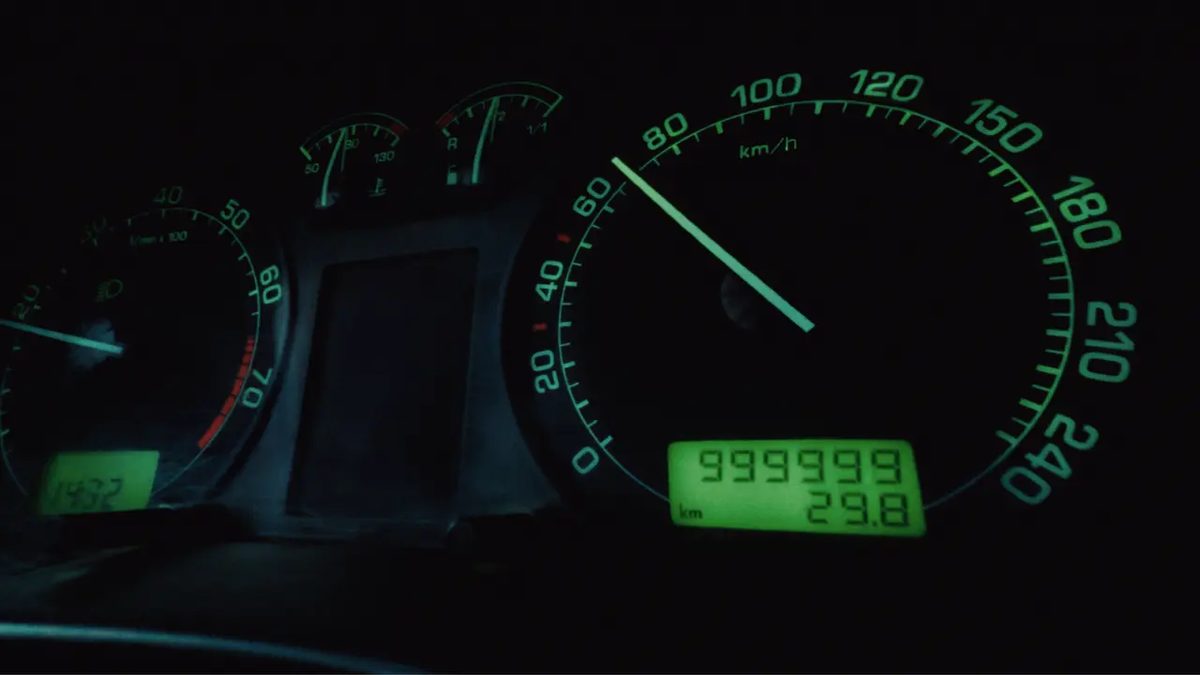
Most cars are scrapped long before they hit that milestone. Not this one.
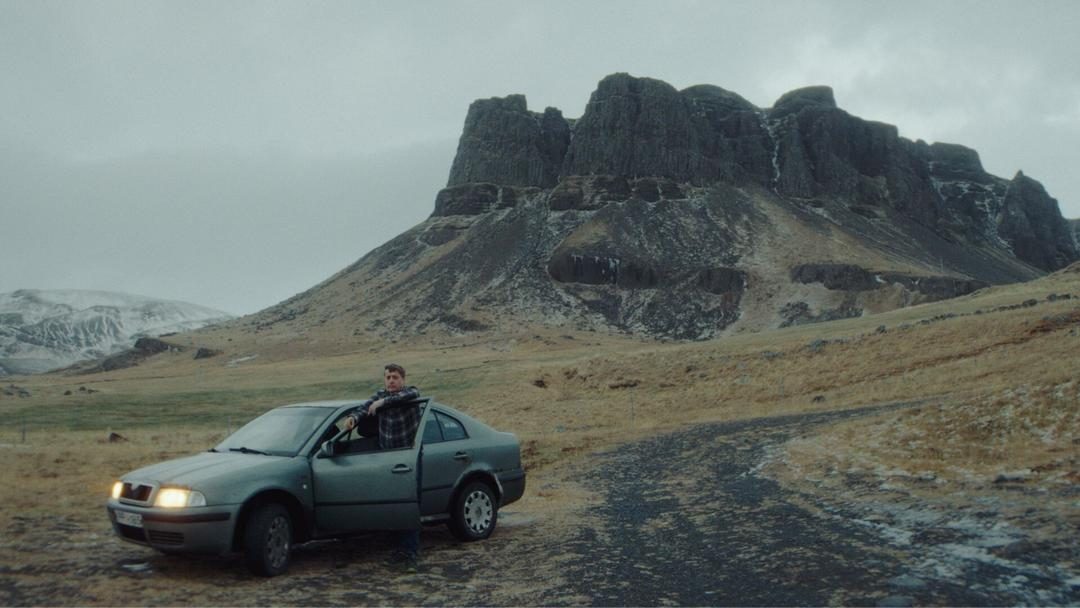
An Icelandic farmer has just pushed his 2003 Skoda Octavia past one million kilometers. The car started in 2003. It is now 22 years later. The odometer reads six figures. In Iceland. That isn’t just luck. It is a testament to the 2.0-liter gasoline engine and the driver’s refusal to let it die.
The owner runs a livestock operation. The Octavia is a workhorse. It navigates rough terrain and harsh weather daily. The roads are not paved highways. They are dirt tracks. They are icy patches. They are mud. Yet the engine never failed. The gearbox never needed replacement. That kind of reliability is rare for a vehicle from the early 2000s.
“Proof of exemplary mechanical robustness.”
The climate in Iceland adds stress to any machine. Salt on the roads. Freezing temperatures. Rain that feels like it has a personal vendetta against your paint job. Most cars rust out or suffer electrical gremlins within five years. This Octavia kept running. No major engine repairs. No transmission swaps. Just routine maintenance.
The 2.0-liter gasoline engine is known for being sturdy. It is not high-strung. It does not demand premium fuel or constant tweaking. It just works. The driver treated it well. Regular oil changes. Timely repairs. No ignoring the check engine light.
One million kilometers is a massive distance. It is roughly 620,000 miles. Most people drive that much in their entire life. This car did it in two decades. The driver logged serious miles. Every single day. That usage pattern highlights a truth about these older VW Group cars. They were built to last. Not just in Europe. But everywhere. Even in places where the environment tries to destroy them.
The story reminds us that longevity is not always about expensive cars. It is about care. And choosing a model with a proven track record. The Octavia has always been a pragmatic choice. Practical. Affordable. Understated. This one just refused to quit.
There are probably more of these cars out there. Waiting. Waiting to be driven until the wheels fall off. Until then. This Octavia is still rolling.

The Maintenance Myth Debunked
The secret to that million-kilometer lifespan? Regular maintenance every 30,000 kilometers. That’s the manufacturer’s recommendation. Some critics argue this interval is too long. They worry about sludge buildup or premature wear. In this case, it worked. The car was driven smoothly. The usage was stable. The driver respected the machine.
Built to Last, Not Just to Sell
Skoda confirms the core components are still stock. The engine. The transmission. The body panels. Even the wheels are the original set. Only standard wear items have been swapped out over the years. Brake pads. Filters. That sort of thing.
The interior shows its age. You can see the mileage in the fabric. But it functions. The car is still being used until the very end. This isn’t a museum piece. It’s a tool that did its job.
The Kodiaq Succession
The owner eventually upgraded. They traded the faithful Octavia for a new Skoda Kodiaq. The Kodiaq is the thermal cousin of the electric Enyaq. It’s an SUV. It’s practical. It’s the modern successor to the sedan’s legacy.
We don’t know yet if the Kodiaq will match the Octavia’s durability. That’s the question hanging in the air. Will it last another million? We’ll have to wait and see.
From Road to Classroom
The Octavia isn’t being scrapped for parts. It’s finishing its life in a high school. Specifically, a technical lycée. Students are studying the engine’s condition. They are analyzing wear patterns on components that have survived a million kilometers. It’s a real-world lab.
This case proves thermal reliability isn’t a myth. It just requires discipline. It challenges the idea of planned obsolescence. The debate about how long cars should last is heating up. Electric vehicles are entering the chat. Thermal engines are still here. They just need to be cared for.
The Octavia’s story is closing. The students have their samples. The lessons are being learned. But the question of longevity remains open. Especially as we transition to a new era of mobility.