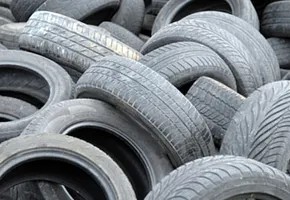
You dropped serious cash on those performance tires. Maybe a set of Michelin Pilot Sport 4S or a set of sticky track-day rubber. You check the pressure. You keep the alignment tight. You baby them. But entropy wins. Eventually, the tread wears down to the legal limit. You run the penny test. Lincoln’s head is fully visible. Game over.
Now you have four heavy, rubbery wheels sitting in your driveway. What do you do with them?
You could leave them in the yard to grow moss. You could dump them in a ditch. You could try to sneak them into a landfill at midnight, though most places banned that years ago. Or you could burn them, filling the air with toxic smoke because you hate your lungs.
Don’t do those things. Be a decent human. Recycle them.
Americans shred about 290 million tires annually. The EPA says we successfully recycle 233 million of them. That’s a high recovery rate, and getting your old rubber into the chain is easier than it looks.
Where to Drop Off Used Tires for Free or Cheap
The easiest route? Buy new tires. Most dealers will take your old set off your hands. Sometimes they charge a small core fee, maybe $2 to $3 per tire. It’s cheap insurance against clutter.
If you aren’t buying new rubber, check your local government resources. Many counties run special pickup days. You leave the tires by the curb, and the waste management crew hauls them away. Montgomery County, Maryland, for example, has waste stations that accept tires directly. Check your municipal website. It’s usually under “solid waste” or “recycling services.”
Accumulated a pile of old tires over the years? Call a professional hauler. Companies like Scrap Tire Recycling Co. in New Jersey will pick up any size load. They take car tires. They even take airplane tires, if you happen to have a hangar full of them. They move the rubber to repurposing facilities.
What Happens to Your Scrap Tires After Collection
Once your tires leave your driveway, they head to a commercial reprocessing plant. This isn’t just a landfill with a fancy name. It’s an industrial operation.
The tires get treated with chemicals to break them down. Some plants use devulcanization. This process removes the sulfur that was added to the raw rubber to make it hard and durable in the first place. The result is reclaim rubber.
Reclaim rubber is cheaper than virgin rubber. It lacks some tensile strength, so it’s not going back into high-performance racing slicks. But it’s perfect for other things. The rubber goes through a mechanical grinder. Sometimes it’s flash-frozen with liquid nitrogen first. Freezing makes the rubber brittle. Brittle rubber grinds into a fine powder much easier than warm, flexible rubber.
How Recycled Tires Are Used in Infrastructure and Construction
That black powder? It’s not waste. It’s a commodity. The EPA lists at least 110 products made from tire-derived material. The rubber goes almost everywhere.
Rubberized Asphalt
About 12 million scrap tires end up in road surfaces every year. Rubberized asphalt is used to resurface federal interstates and highways. It costs less over its life cycle than conventional pavement. It’s durable. It lasts.
Whisper Walls
In northern Virginia, builders mix shredded tire rubber with cement. They create sound barriers called “whisper walls.” These walls deflect traffic noise. They protect local neighborhoods from the roar of the interstate. It’s a practical use for a stubborn material.
Composite Railroad Ties
Recycled tires are mixed with plastic from discarded bottles. They’re bound around a steel beam to create composite railroad ties. Each tie holds about 80 pounds of ground-up tire rubber. These ties are twice as strong as wooden ones. They last up to 90 years. Wood ties usually rot out in 30 years.
Eco-Decks
Ground tire rubber mixes with polyethylene resins to make molded deck boards. They don’t rot. They don’t splinter. They withstand heat, cold, sun, and insects better than natural wood. A rubber composite deck lasts about 25 years. Maintenance is minimal. Just hose it down.
Playground Surfaces
Run tracks, basketball courts, and playgrounds use recycled rubber for cushioning. It’s durable. It absorbs impact. Kids fall on it and don’t break bones. West Lake Park in Hollywood, Florida, built a simulated lagoon with a replica pirate ship out of 8,000 scrap tires. The manatees and sea turtles are also made from tire rubber. It’s a weird, colorful, safe place to play.
So the next time your tread wears down, don’t just stare at the penny. Call the recycler. Your old tires might end up holding up a train or cushioning a kid’s fall.
What will yours become?
The Rubber Rebirth: Where Scrap Tires Actually Go
It isn’t just about trash. It’s about raw material. The EPA tracks at least 110 distinct products made from shredded, reprocessed tire rubber. That number keeps climbing. The most visible application? The road beneath you.
Every year, roughly 12 million scrap tires get shredded and mixed into rubberized asphalt. This blend resurfaces federal interstates and highways across numerous states. It’s a circular economy in action. You drive on the waste of yesterday’s commutes.
But not all rubber ends up in the pavement.
Some facilities employ devulcanization. It sounds harsh, but it’s just chemistry. The process breaks down the sulfur bonds that were originally added to cure the rubber. This removes the hardening agents, leaving behind reclaim rubber. It’s soft, pliable, and ready for manufacturing again.
The Global Tire Waste Problem
Look at the scale. Goldstein Market Intelligence puts annual global tire production at over 1.6 billion units. That’s a lot of tread.
Around 1 billion of those end up in the trash. Globally.
The recycling rate? Roughly 100 million tires. That’s a fraction of the total waste, but it’s a start. The gap between production and recycling is massive. Most of that waste still sits in landfills or illegal burn piles.
How to Dispose of Tires Without Paying Extra
Want to get rid of your bald tires for free? Buy new ones.
Most tire dealers will take your old set when you purchase a new pair. It’s standard practice. Sometimes they charge a core charge or a small recycling fee, but often it’s bundled into the service.
If you aren’t buying new rubber, check with your local government. County or municipal waste management programs usually handle waste tire removal. Sites like Kane County Recycles or Broward.org outline specific pickup or drop-off protocols. Search your local county’s website for “waste tire removal.”
Don’t just leave them in the driveway. They collect water. They breed mosquitoes. They’re a fire hazard.
The best disposal method is prevention, but the second best is handing them over to a professional recycler who actually knows what they’re doing.
Why Tread Depth Matters Before You Recycle
Before you toss a tire, measure it. The “penny test” works. Insert Lincoln’s head upside down. If you can see the top of his head, the tread is too low.
TireRack.com suggests using a quarter for a more conservative estimate. If Washington’s head is covered, you’re likely good. If it’s visible, you’re wearing down to the safety limit.
Recycling a tire with usable tread is a waste of rubber. Reuse or retread first. Only recycle when the tread is gone.
Where to Find Free Tire Recycling
- Tire Retailers: When buying new tires, ask about core charges. Many are waived if you return old tires.
- Local Government: Check your county’s environmental services page. Some offer bulk pickup.
- Scrap Yards: Some private recyclers like Scrap Tire Recycling LLC accept tires. Call ahead. Fees vary.
It’s not perfect. The system is clunky. But it’s better than dumping.
The rubber doesn’t disappear. It just changes shape. From tread to asphalt. From waste to reclaim.
What happens to the other 900 million tires? That’s the real question.