


Peugeot wants more cars. Lots of them.
They’re aiming to boost global sales from 1.1 last year to 1.5 million in four years. That is a 36 percent jump. A steep hill to climb, sure, but they are rolling out seven new models by 2030 to help get there. It starts with the all-electric e-208.
First look at the STLA One platform and design revival
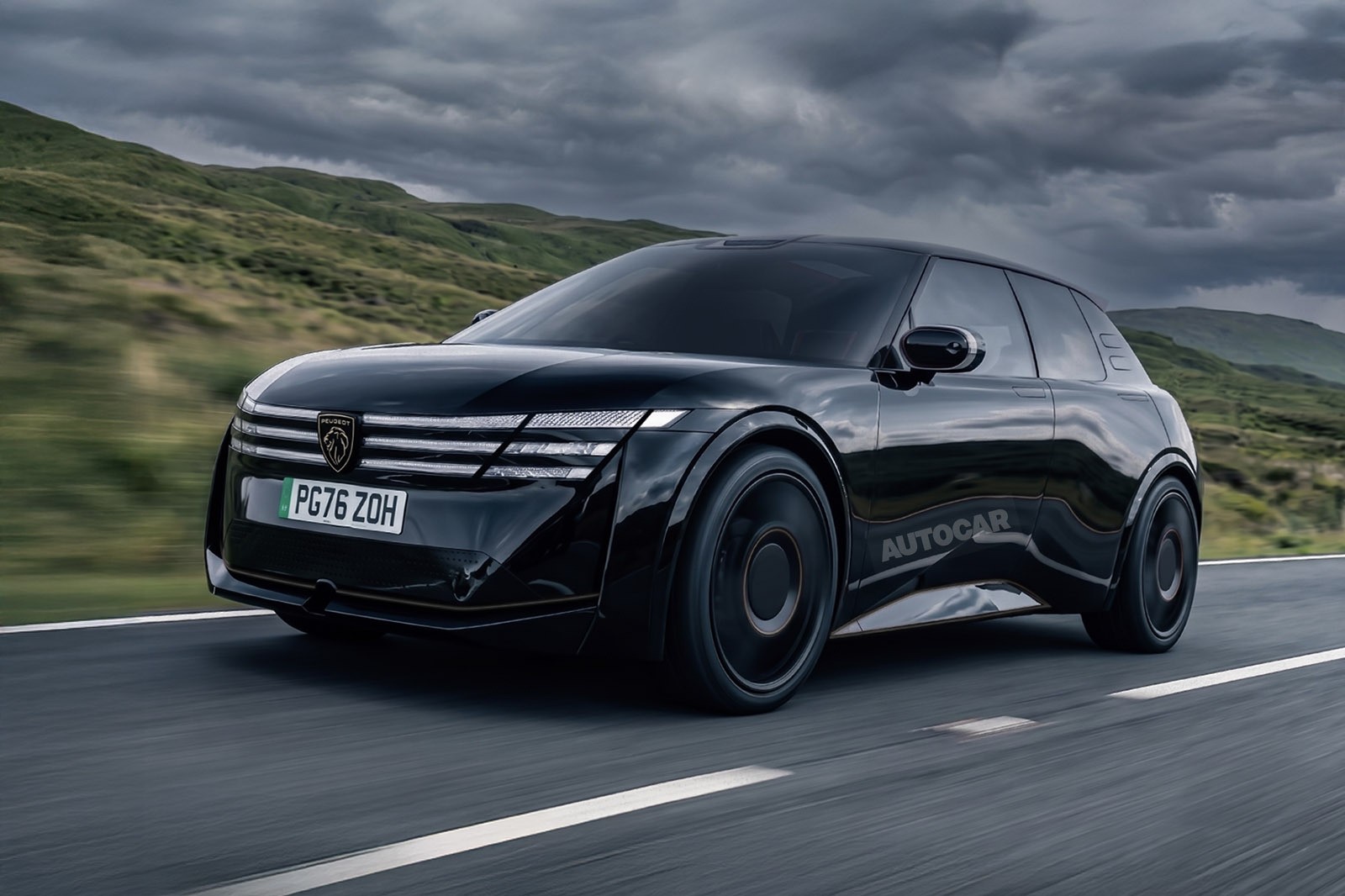
The second-generation e-208 arrives in the second half of 2. It matters.
It is the first Peugeot to run on Stellantis’s new STLA One modular platform. That sounds dry. It isn’t. This platform is the backbone for the whole future lineup. The e-208 serves as the tech and style flagship. It shows the way for every other model coming down the pipeline.
Design-wise? They’re going retro. But make it sharp.
The new car draws heavily from the classic Peugeot 205. We saw hints in the radical Polygon concept car last year. Now they are making it production-ready.
CEO Alain Favey calls it a strategic return to heritage.
“Our heritage is very important to us. It gives us ideas for the future.”
He says the past is a tool. Not a museum piece. They use it to shape what’s next.
Why Paris Motor Show matters for Peugeot’s future cars
Wait until October. Two new “striking” concept cars debut at the Paris show.
These aren’t just eye candy. They preview the actual design language and tech for production vehicles. Favey wouldn’t spill specific secrets on the cars themselves, but he confirmed they will define the brand’s visual direction for the next few years.
The strategy is clear.
- Reboot the platform.
- Revive classic cues.
- Flood the market with fresh metal.
Seven models by 203. One platform to hold them together.
Does leaning on history help sell EVs to new buyers? Maybe. It’s a bold gamble. Or maybe it’s exactly what French engineering needed to remind the world why we pay attention.
Only time will tell. But the e-208 is the first step. Watch the rearview mirrors. They’ll be looking backward.


