Retro vibes. Modern powertrain. The price tag that actually matters.
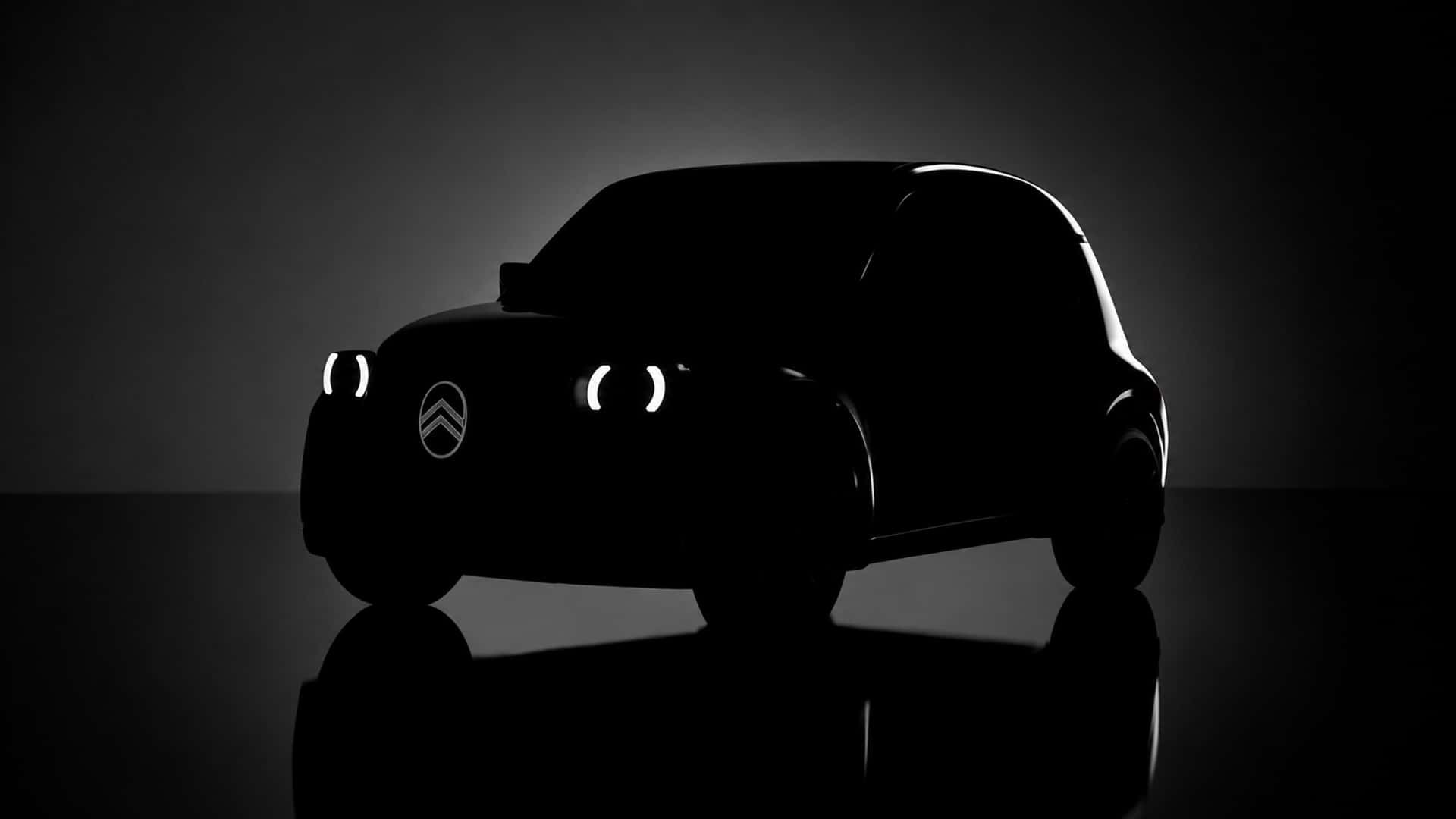
Citroën isn’t hiding it anymore. The 2CV returns this October at the 2016 Paris Motor Show. Well, 2026. Wait. Let’s not rush things. After thirty-six years in the dark, the icon wakes up. More than five million original units sold between 1948 and 1998? Close enough. The point is simple. People liked it. It was cheap. It worked.
This time, no gas engine. No two cylinders chugging away in the heat. Fully electric instead. One hundred and ten new models are planned by Stellantis for the decade. The 2CV leads the charge.
€15,000.
That’s about $17,400 for us. Cheap for Europe? Absolutely. Probably the cheapest EV on sale. If they stick to that number.
Production starts in Italy. 2028. It shares the factory with the Fiat Panda. Expect it to be tiny. Smaller than the ë-C3, which is already petite. Logic dictates it has to be short. It is a 2CV after all.
Why now? Money talks. Specifically, “super credits.” The EU gives extra points for small EVs in the M1E class. A 30 percent advantage toward compliance targets. Smart play for an automaker squeezed by regulations.
The future vehicle will embody the essence: affordable, light, practical. Versatile. Character unlike anything else.
Renault tried this too. Bringing back the 4, the 5. The Twingo went electric as well. Citroën isn’t inventing a category, just reclaiming its crown.
Does it work? We don’t know yet.
But the idea feels right. No frills. No screens the size of a window. Just mobility. Accessible. The kind of car that disappears into traffic while making a statement.
We wait. Two years from the debut. A bit long, I know.
But isn’t it better to want it? To see what a brand does when it finally stops chasing complexity.