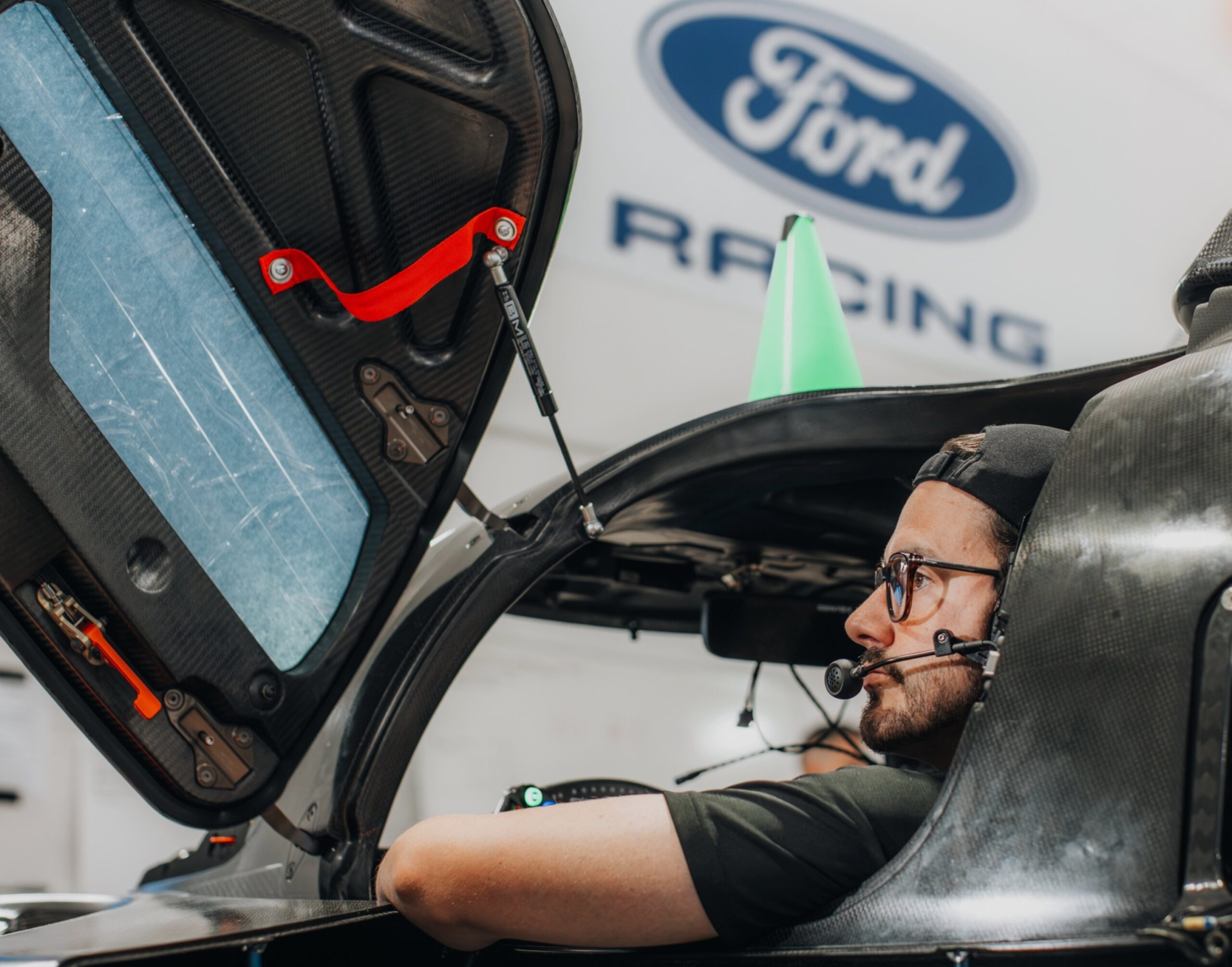
Ford actually fired up the engine. It roared.
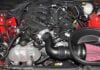
The sound of a naturally aspirated V8, specifically a 5.4-liter unit, marks the next major step for the 2027 LMDh hypercar project. This is the machine built to end an 58-year drought. No outright wins at the 24 Hours of Le Mans since the GT40 days.
The heart of the car is the ‘Coyote’ V8. Yes, the same lineage found in the Mustang GT3 racer that Ford competes with currently. Management confirmed earlier this year that they wouldn’t switch to a different powerplant. Why complicate things when the brand DNA screams combustion?
“When you have an engine this iconic… you lean into your DNA.”
That quote from Dan Sayers, the head of Ford’s hypercar division, sums it up. He called this specific V8 a bridge. Not just metal and pistons. A literal connection between the legendary GT40 victories of the mid-1960s and the 2027 championship goal.
Why a Naturally Aspirated V8 in an Endurance Racer?
Most modern prototypes run smaller displacement engines paired with electric boost or complex turbos. The LMDh regulations cap system output at 671 horsepower. Every manufacturer gets the same spec hybrid component. But the combustion engine is yours. Yours to tune. Yours to fail if you mess up.
Ford chose a bridge strategy.
The 1960s wins used different V8s. A 7.0-liter unit powered the wins in 1966-1967. Rule changes forced a shift to 4.9 liters for 1968-1969 victories. The new 5.4-liter Coyote fits right in the middle. It keeps the soul alive. It avoids the coldness of a turbo V4.
Is it the fastest way to lap Paul Ricard? Maybe not on paper. But it sells tickets. And it matters for a brand that survived on muscle cars as much as economy boxes.
Development happened in-house. Michigan engineers led the charge. They got help from the Red Bull Ford Powertrains team. Yes, that Formula 1 unit. Cross-pollination between road cars and F1 tech usually means faster development cycles.
Testing starts next month. The car hits European circuits hard. They need to verify three main things:
- Aerodynamic performance
- Reliability of the mechanical assembly
- Integration with the mandatory hybrid system
It’s rear-wheel drive. Always. In endurance racing.
Which Chassis and Drivers Will Compete?
LMDh rules force a shared platform. Ford picked the French outfit Oreca. Everyone gets an Oreca tub. You can slap whatever styling you want on it, but the skeleton is standard.
The driver lineup looks risky.
Sebastian Priaulx. Mike Rockenfeller. Logan Sargeant.
Priaulx and Rockenfiller just came from the IMSA Sportscar Championship in the US. They drove Mustang GT3 cars there. Moving from GT3 to LMDh is a jump, but Rockenfeller has actually done Le Mans before. He won in 2010. He knows what it smells like at the start line.
Sargeant is the wild card. He spent a few seasons in Formula 1 with Williams. He is fast. But he is also inexperienced at endurance events compared to the veterans. Does raw F1 pace translate to a 24-hour grind? We will see.
For now, Priaulx and Rockenfuller are racing in the European Le Mans Series. They use a Ford-backed LMP2 car. It’s good practice. The cockpit is similar. The speeds are high. The nights are long.
The car works. The engine starts. The timeline moves toward 2027.
Do you miss the noise of big V8s, or do you think Ford is clinging to the past instead of innovating for the future? The track will decide. The data won’t lie, even if the marketing does.