Genesis is doubling down on Europe. Again. This time the weapon is a hybrid. Specifically, it lands in the updated GV70. From there, the strategy ripples outward to other models. Suddenly the brand offers both batteries and gas. A broader menu for a skeptical continent.
“The brand’s pure-petrol engines simply weren’t suited to our requirements.”
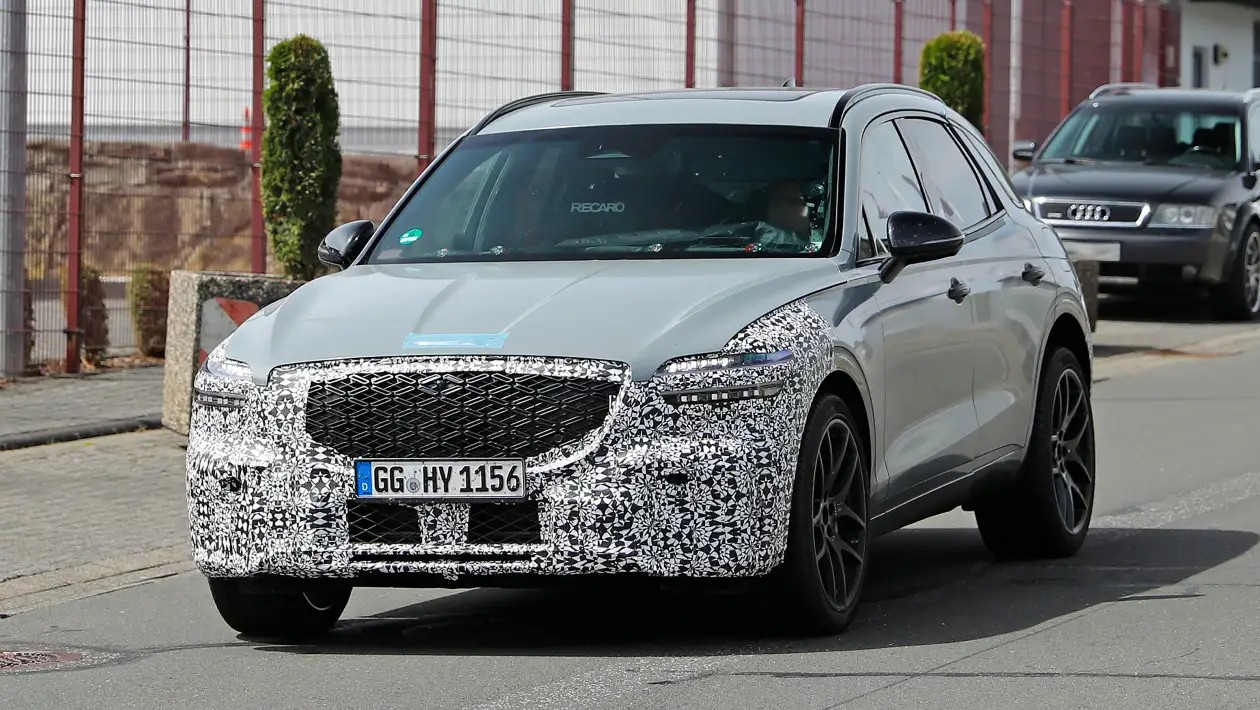
Look at the spyshots. The body stays mostly identical to the EV variant. Same lines. Same presence. But the details are shifting. New grille. Revised front and rear bumpers. Different wheels, new trim bits. The real story? It’s under the hood. Or rather, the bonnet.
This is about efficiency. Drama levels in the numbers.
The old engine is gone. In its place sits a fresh 2.5-litre petrol unit. Turbocharged. Four-cylinder. It shares duty with two electric motors. One is tiny, handling starting and charging duties like a 48V system might. The second one though. It’s the muscle. It sends power directly to the wheels.
The engineering goal here is precision. Optimize the petrol engine. Fill in its gaps. Use electricity to lighten the load while boosting performance. It’s a modern trick. Clean it up. Speed it up.
The stats? 329 bhp. That’s the peak. 460 Nm of torque follows. Solid numbers. Not mind-bending, but substantial. Hyundai uses the same setup in the larger Palisade SUV. There, it achieves around 40 mpg. Combined cycle.
Sounds okay? Maybe not. Until you do the math. That’s a 45 percent improvement. Better than the non-hybrid four-cylinder currently sold abroad. A big leap.
Genesis has stumbled in the UK. Europe generally hasn’t felt the heat either. The cars are nice, don’t get us wrong. The design is sharp. The execution is clean. But the engines? They didn’t fit. Too inefficient, too loud, just… wrong. The EVs arrived later, promising change, but European rivals had already moved on.
So. This hybrid arrives now. Tweak the EVs. Install these new hybrid powertrains. Is this the moment they find their feet?
Maybe.