Most trailer owners ignore the underside of their rigs. It’s a grimy, hidden world. But there is a small, unsung hero down there. It’s called the axle spring seat. You likely haven’t noticed it. It’s tucked away beneath the axle, inconspicuous and boring.
Yet, if it vanished overnight, your trailer wouldn’t just ride bumpy. It would fall apart.
This isn’t hype. The axle spring seat is a structural brace. It sits directly under the axle. It connects the axle to the leaf springs. Without it, the axle has no anchor. It would slip out. Alignment would be gone. The ride would be a violent shake.
It’s a tough piece of steel. It doesn’t need much maintenance. It just works. But understanding how it fits into the bigger picture matters.
The Anatomy of a Trailer Suspension
The seat is just one piece. It’s part of a larger assembly. You have the axle. You have the leaf springs. You have hangers. In some setups, you might have an equalizer bar too.
Here is how they interact.
The hangers bolt the springs to the trailer frame. They hold everything in place. The leaf springs extend from the axle. They act as the shock absorber. When a tire hits a pothole, the spring compresses. It soaks up the impact. The trailer body stays relatively calm.
For single-axle trailers, the spring connects to the seat at one end and the hanger at the other. Simple.
Dual-axle setups are more complex. Two springs extend from the second axle toward the first. They meet in the middle. There, an equalizer links them. This bar balances the load. If one side hits a bump, the equalizer distributes the force to the other side.
The axle spring seats serve as the fixed points for this system. They are the anchors. Without those anchors, the springs have nowhere to push against. The whole geometry collapses.
Why Alignment Matters
You might think alignment is just about tires wearing out evenly. It’s bigger than that.
If the spring seats are corroded or broken, the axle can shift. It might tilt. It might twist. This throws off the track width. The trailer doesn’t roll straight. It pulls to one side.
That’s dangerous at highway speeds. It also puts stress on the wheel bearings. And the frame. The whole trailer vibrates in ways it shouldn’t.
The seat keeps the axle centered. It maintains the geometry. It’s boring work. But it’s essential.
Signs of Failure
These parts are durable. Steel doesn’t just fail. But rust does. Impact damage does.
If you see cracks in the metal, replace them. If they’re heavily corroded, they’re weak. You might hear a clunking noise over bumps. That’s the axle moving where it shouldn’t.
Is it something you can fix yourself? Yes. But you need to know what you’re looking at. And you need to replace them with the right specs. Wrong dimensions can cause the same alignment issues they’re supposed to prevent.
Next, we’ll break down exactly how to swap them out. And what tools you’ll actually need.

The U-Bolt Weak Point
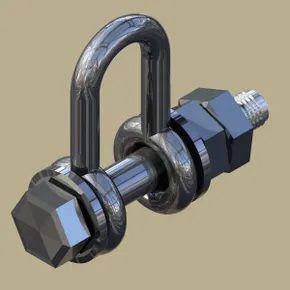
The mechanical link holding your trailer’s suspension together is surprisingly simple. A U-bolt loops over the axle tube, clamping down on a plate beneath it. That plate secures the axle spring seat, which features holes for the leaf spring hooks to bite into. It’s a straightforward assembly. Most trailer manufacturers weld these seats directly to the axle before shipping, so you don’t have to worry about the initial installation. You can do it yourself, but since it comes pre-installed, most owners never touch it until something breaks.
When Things Go Wrong
If that connection fails, the result isn’t just a bumpy ride. It’s structural collapse. Without the spring seat anchoring the leaf springs, the trailer doesn’t just bounce—it vibrates wildly. Every small bump sends shockwaves through the chassis. The axle loses its lateral stability. It can slip out of its mounting points entirely. The trailer shakes apart. It’s a catastrophic failure mode that leaves you stranded on the side of the road with a detached axle.
Why You Probably Don’t Need to Worry
Trailer service technicians rarely see spring seat failures. They see U-bolt issues. Specifically, the ends of the U-bolt wear down over time. This wear causes the axle alignment to slip. If the alignment shifts enough, the spring seat can detach. It’s a slow process. You might not notice it until the rattling starts.
Repair Options: DIY vs. Replacement
If you suspect your U-bolts are worn or the seat is loose, you have two paths.
- DIY Replacement: You can buy a new U-bolt. If the seat is damaged, you buy a new spring seat too. You have to weld it in place. This requires absolute confidence in your welding skills and alignment tools. One mistake and the axle is crooked.
- New Axle Assembly: The safer, albeit more expensive, option is to replace the entire axle assembly. This comes with pre-installed spring seats. No welding. No guesswork. Just bolt it in and align the hubs.
For most owners, the new axle route is the smart move. Unless you have a professional welder and a alignment jig in your garage, don’t risk it. A crooked axle kills tires and creates dangerous handling issues. Better to pay for the pre-built unit.
“Unless you have absolute confidence in your ability to install the new seat and weld it in place, going with the new axle is safer.”
Related Reads
- How Leaf Springs Work
- How Car Suspensions Work
- How Electric Motors Work
- How do truck weigh stations work?
- How Towing Weight Distribution Systems Work
- How Trailer Wheel Hubs Work
Parts Suppliers
- ABC Trailer Parts
- Eastern Marine Online
- KMT Auto Parts
- TruckSpring.com
- Etrailer.com
- Total Trailer Parts