Another nail in the coffin.
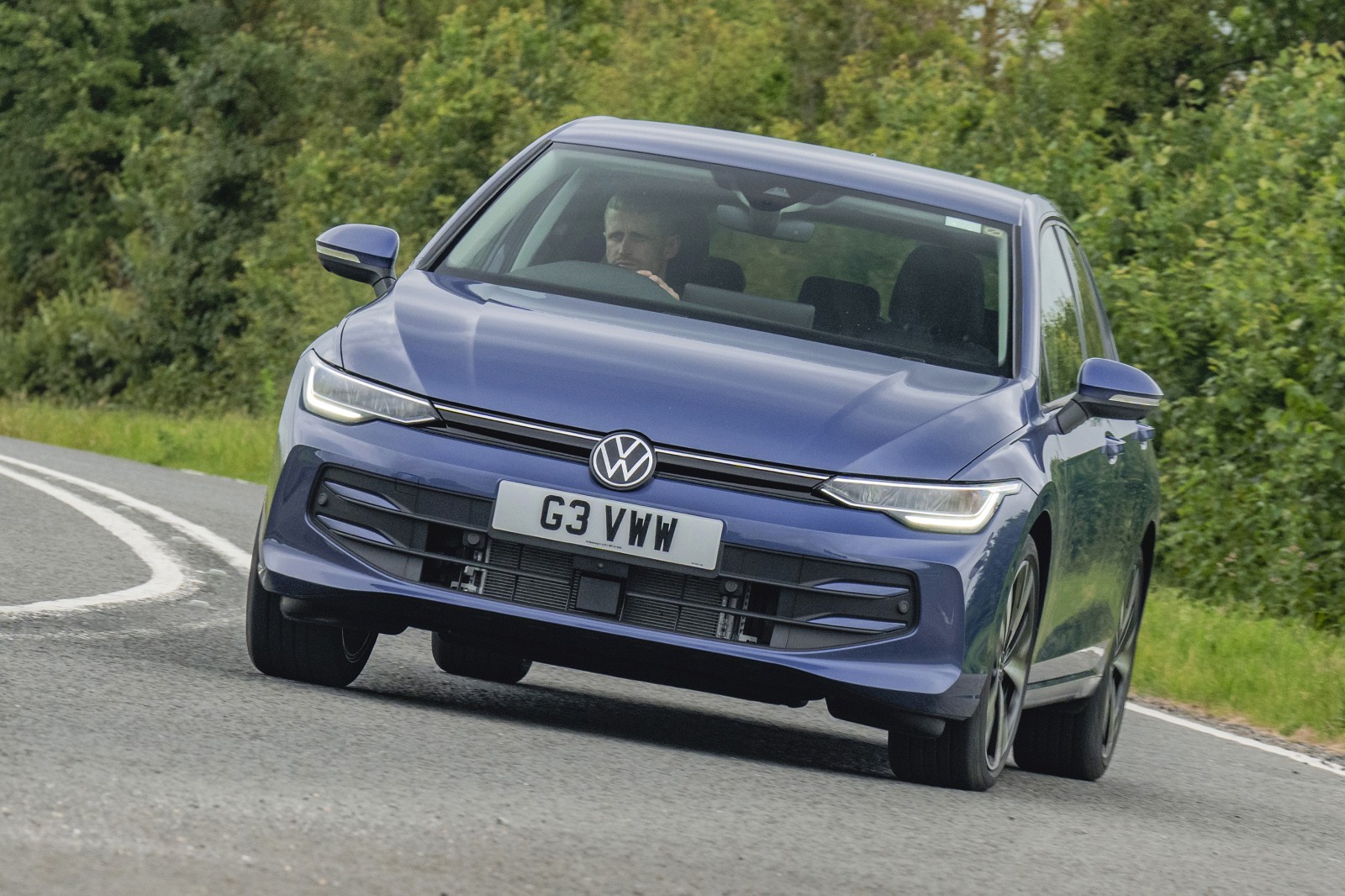
Volkswagen has pulled the plug on the diesel Golf in the UK. Fifty years of history, gone. Just like that.
Think about it. This isn’t some niche sports car we are losing. The Golf was the gateway drug to diesel power for an entire generation of British drivers. Back in 1976 — just two years after the hatchback debuted — VW started offering a diesel engine option. It clattered. It smoked a little. But oh, did it save on fuel. For many of us, this was where it all began.
The Golf wasn’t just a car; it was the reason so many British roads were paved with diesel engines.
It dominated. Every single year. It won the crown as Britain’s best-selling diesel sedan again and again. Fleet managers loved it. The low CO2 figures meant tax savings, which meant happy accountants. By 2015 more than eighty percent of new Golfs given to company drivers burned the black stuff. Eight out of ten. Hardly an exaggeration.
Then the world changed.
Volkswagen essentially handed the industry its own noose in 2015 when the emissions scandal blew up. You might think the rest of us would have followed suit faster, but VW Group actually kept selling diesel across Europe. They still account for 40 percent of all diesel sales there. But not in the UK.
Here? We ran.
Why did Britain quit diesel so fast when Germany and Italy are still lingering? Nobody is sure. The numbers tell the story though. From January to May this year diesels made up just 4.8 percent of sales. A drop of 7 percent compared to last year. Only 44,449 diesels sold in total.
VW told Autocar they are pivoting to petrol and upcoming hybrids. Customer demand dictates the move, they said. Simple business.
Maybe it is just cleaner air we crave. Maybe it is fear of future bans. Or maybe we just tired of the smell. The Golf is iconic. But the era it defined is clearly over. What comes next feels a lot like electricity waiting in the wings. Silent. Fast. Different.
The road ahead looks a lot quieter.