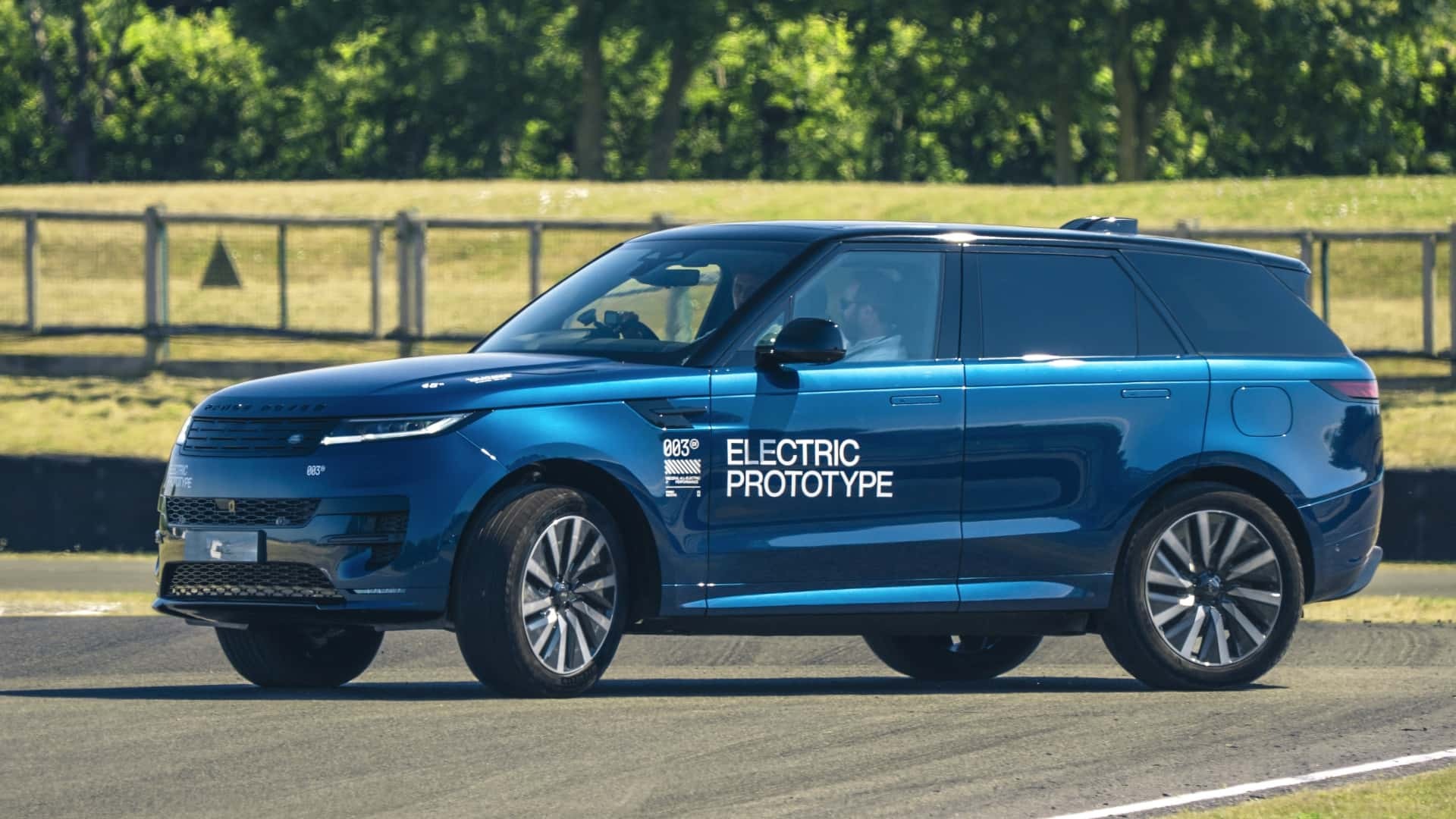
It’s an EV. It wears a badge. It doesn’t matter what else you say about it.
Land Rover isn’t here to reinvent the wheel. They certainly aren’t here to reinvent this wheel.
The Hardware Borrow
Take the Range Rover. Take the battery. Swap the gas tank for lithium.
The Sport Electric runs on the Modular Longitudinal Architecture (MLA). Same chassis as the full-size flagship. Same DNA as the cancelled next-gen Jaguar XE sedan—yes, the one that vanished in a puff of corporate restructuring smoke. This platform was designed for gas, diesels, and PHEVs, but it accepts electrons too.
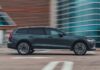
Land Rover isn’t playing games with the design. While Mercedes might give you something that looks like a spaceship landing in a mall parking lot, Rover gives you… Rover.
Close off the grille. Hide the exhaust tips. Voila. You have a new car that looks exactly like the old one.
Power Without the Roar
Silent. Until it isn’t.
Dual motors send power to all four wheels. 444 hp for the base models. 542 hp for those who want to move faster than their insurance premiums allow. Torque is immediate: 627 lb-ft (850 Nm). The split is even, 50/50 front-to-rear, because symmetry feels premium even in electric vehicles.
The battery sits beneath your feet. It’s an 118.5-kWh pack built from double-stacked cylindrical cells by AESC. It sounds large until you compare it to the BMW iX5 ‘s gargantuan 141-kWh unit.
Range anxiety is still real, apparently. Land Rover estimates 330 miles (EPA). Maybe more in Europe’s kinder testing cycles. The BMW competitor? Roughly 435 to 525 miles.
Is that enough for a luxury SUV owner? Maybe. They usually live in hills where ranges shrivel anyway.
Fast Charge, Smooth Ride
350-kW charging capability. An 800-volt system. This matters because nobody likes sitting in a charging stall longer than necessary.
The suspension? Still air. Still soft. Still capable of eating potholes for breakfast. Off-road prowess remains, surprisingly intact despite the lack of a transmission clunking around under stress. One-pedal driving works on gravel and dirt too. You’ll probably never use it, but the engineers included it anyway. Rear-wheel steering keeps the turning circle tight and stability high at speed. Standard tech, now expected.
The Cabin Paradox
Look inside. See something familiar?
The interior is mostly unchanged from the gas version. That means two things. Good materials, mostly. Lots of glossy black plastic, unfortunately. The screens remain. Everyone loves them. Everyone hates touching them when you just want to change the volume.
It’s a mixed bag. Like ordering a steak at a vegan restaurant and finding it made of… well, just not steak.
A Fourth Option, Not a Replacement
Don’t panic if you like your diesel. It stays. So does the gasoline V8, presumably for now, and the hybrids. This EV is the fourth chair in a crowded dining room.
Price? Expect a premium. Land Rover already hinted that their electric toys will cost more than the combustion ancestors. Why? Because they’re “electric” now. The novelty tax applies.
Will the skeptics convert? Probably. An electric drivetrain fits a Range Rover like a tailored suit fits a man who needs to hide his soft spots. Quiet refinement. Instant torque. No vibrations to ruin the espresso.
But tow a trailer? Go camping? Drive cross-country? That 330-mile estimate gets very theoretical very fast. Efficiency figures crumble under real-world load.
They launch later this year. The rest is waiting to see what people actually pay.
What do you think? Will the silence sell, or is it too quiet?