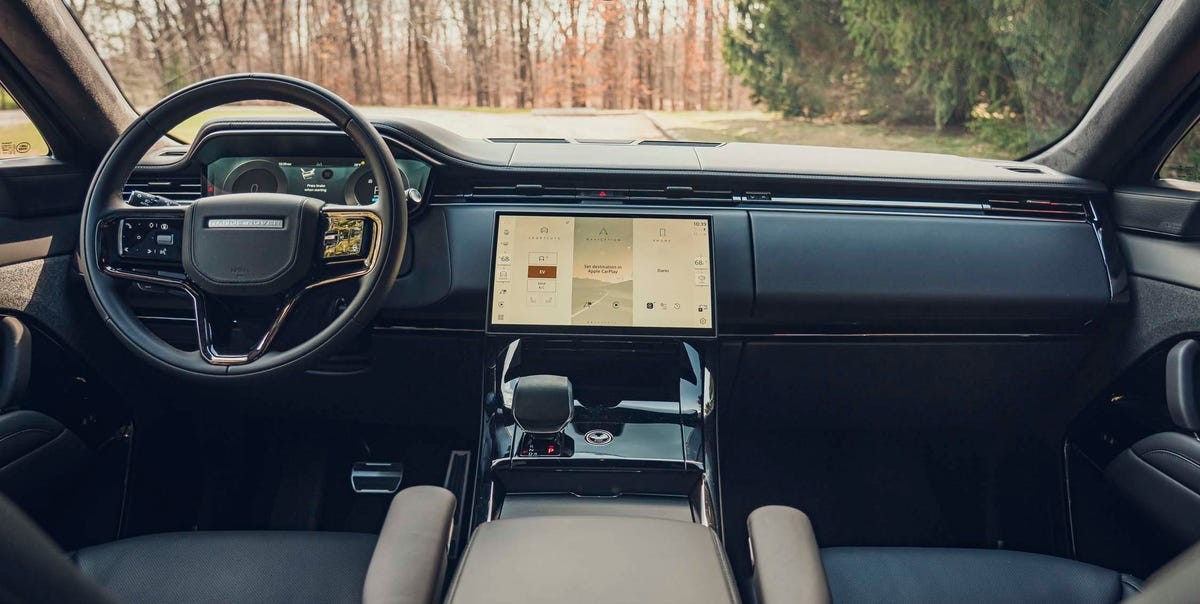
The interior of the 2026 Range Rover Sport Hybrid aims to deliver the premium atmosphere synonymous with the Range Rover name, blending high-end materials with a heavily digitized cockpit. However, as the transition from physical buttons to touchscreens continues, the cabin reveals both the strengths and the frustrations of modern automotive design.
A Digital-First Cockpit
The centerpiece of the dashboard is a vast, expansive gauge display. This screen is highly capable, managing to condense a significant amount of driver information into a single, cohesive interface without feeling cluttered. It represents the current industry trend toward “all-in-one” digital displays, which prioritize a clean aesthetic at the expense of traditional tactile feedback.
The Ergonomic Trade-off
While the cabin feels undeniably luxurious, the shift toward a touch-centric interface introduces several usability challenges:
- The Loss of Tactile Control: One of the most notable omissions is a physical volume knob. Drivers must navigate the touchscreen to adjust audio levels, a process that can be cumbersome while driving.
- Interface Friction: The Land Rover Pivi Pro infotainment system, while feature-rich, has been noted for its occasional “finicky” responsiveness.
- Slider-Based Controls: Instead of traditional dials, the system utilizes sliders for essential functions like volume and temperature. This design choice requires more precision than a simple turn of a knob, which can detract from the driving experience.
Design and Aesthetics
Visually, the interior adheres to the brand’s high standards for luxury. However, the aesthetic leans heavily on modern minimalism, which includes:
- Extensive Piano-Black Trim: The cabin features large expanses of unbroken piano-black surfaces. While sleek, these high-gloss finishes are notoriously difficult to keep clean and can be prone to fingerprints.
- Minimalist Layout: There is ample physical space within the center console that could have been utilized for more traditional controls, suggesting that the current layout is a deliberate stylistic choice rather than a space constraint.
The 2026 Range Rover Sport Hybrid offers a quintessential luxury experience, but its reliance on touch-based controls highlights the ongoing tension between minimalist digital design and practical, driver-focused ergonomics.
Conclusion
The 2026 Range Rover Sport Hybrid succeeds in delivering a high-end, visually impressive cabin, yet it struggles with the practical