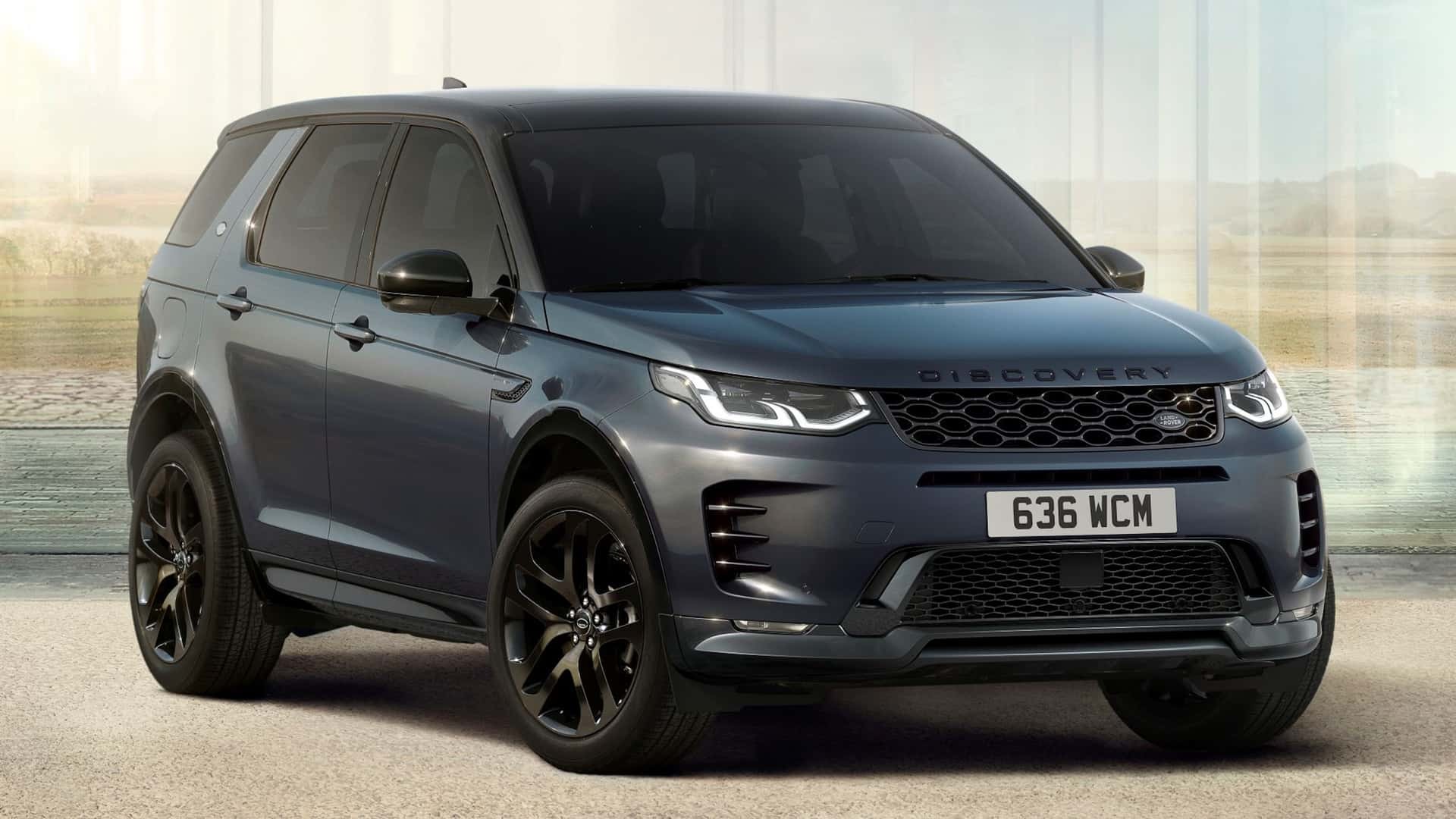
The Land Rover Discovery Sport is officially dead.
Production ends in December 2026. After that? It’s gone.
The UK’s Halewood plant isn’t retiring. It’s pivoting. The factory will switch to building Jaguar Land Rover’s next-generation models using the new Electrified Modular Architecture (EMA). But for American buyers, the news hits harder right now. The Discovery Sport serves as Land Rover’s entry-level luxury SUV. With its demise, the brand’s pricing floor shifts sharply upward.
Why Land Rover Is Ending Production
A spokesperson for Land Rover confirmed the timeline to Motor1. The decision aligns with normal product lifecycles, but the strategic shift is the real story. Halewood is transitioning away from internal combustion-centric platforms to support the EMA. This architecture is central to Land Rover’s electrified future. The Discovery Sport, largely built on older platforms, doesn’t fit that roadmap.
Inventory will still flow into showrooms for now. Land Rover will continue selling Discovery Sport units in the United States until existing stock runs out. But new orders? Those are effectively closed. There are no official details about a direct replacement yet. The automaker has provided zero information about what will fill the void.
The Price Shock: Range Rover Evoque Takes Over
Let’s talk money.
The Discovery Sport has been a best-seller since its launch over a decade ago. It offered entry-level Land Rover ownership at a price point many could justify. Without it, the Range Rover Evoque becomes the brand’s cheapest model.
The Evoque starts at $51,275. That is roughly $100 more than what the Discovery Sport cost. Sounds small? It isn’t. When you factor in the value proposition, the jump is significant. You are losing volume in cargo space, utility, and practicality for a marginal price difference. Is the Evoque truly worth the swap? The math doesn’t quite work for the practical buyer.
Enter the Range Rover GT
If you think Land Rover is just selling off the old stuff, look at the new stuff. Last week, the brand unveiled the Range Rover GT.
This is a stark departure. The GT rides on the EMA platform. It is slated to launch as a fully electric vehicle first, with a full-hybrid variant planned later. But the shape? That’s where it gets interesting.
The roofline is coupe-like. The stance is low. It looks less like a rugged Land Rover and more like a high-riding, electric Jaguar wagon. It breaks the mold. It’s sleek, modern, and clearly aimed at a different demographic than the Discovery Sport ever was. Production will take place in the UK, just like the Evoque and the outgoing Discovery Sport.
A Skinnier Lineup
The interior of the GT is minimalist. Two screens dominate the dashboard. One thin display for the digital instrument cluster. A larger one for infotainment. No physical buttons. No clutter. Just tech.
“Land Rover is preparing for the future. The EMA will underpin several upcoming models.”
That quote from Motor1’s takeaway sums up the strategy. The brand is shedding skin. It is focusing resources on new models built on the EMA architecture. A new entry-level offering is likely coming to fill the gap left by the Discovery Sport. But until then, the entry-level luxury SUV market in the Land Rover lineup just got thinner. And more expensive.
Who wants a coupe-looking electric Land Rover over a practical compact SUV? That’s the question dealers will have to answer soon. The clock is ticking on those December inventory numbers. Once they’re gone, the era of affordable Land Rover utility ends.