Not Just Another Electric Box
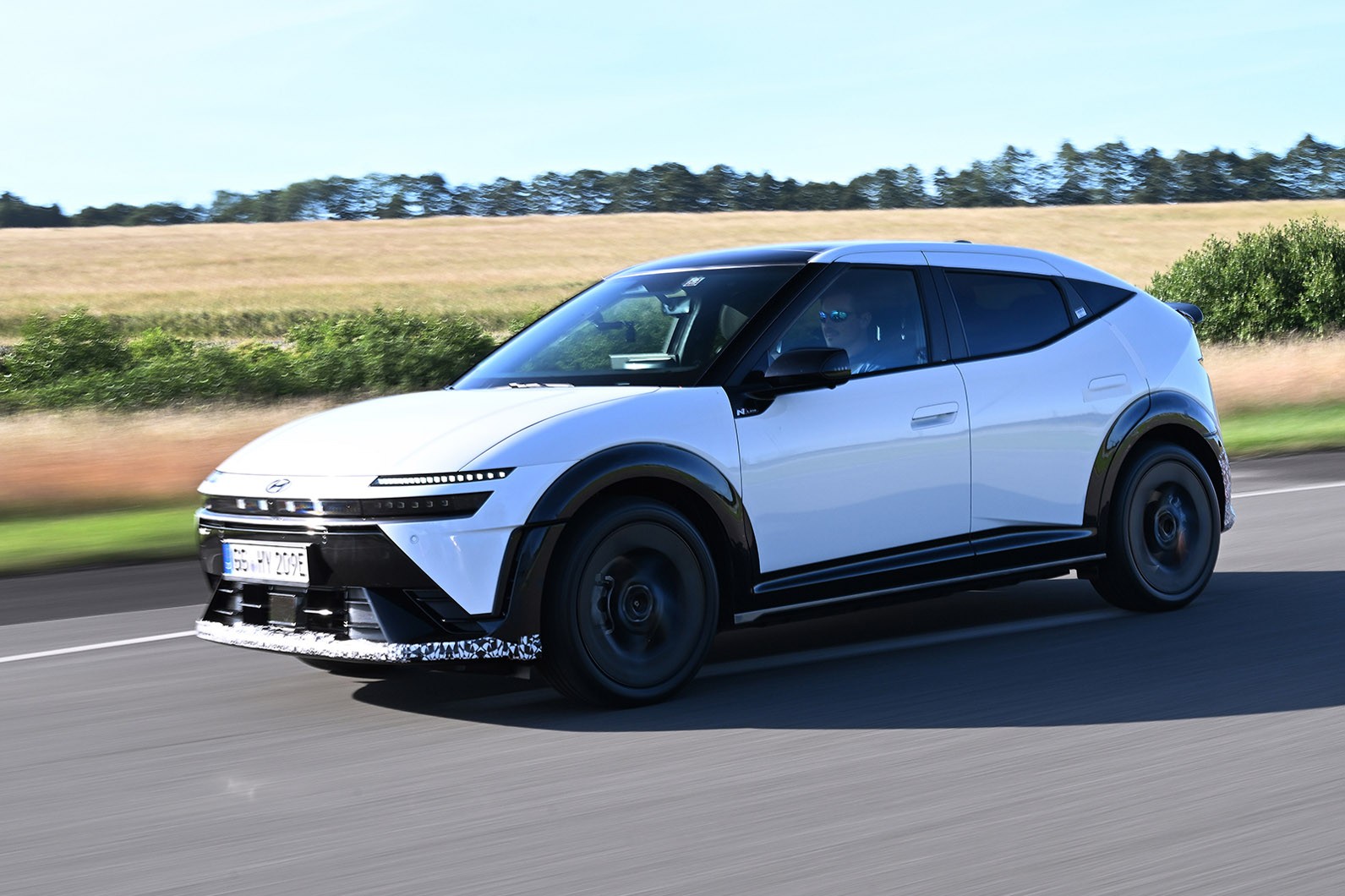
The Ioniq 3 looks sharp. Purposeful, too. It wears this new ‘Art of Steel’ skin, minimalist and bold. The interior tries something different. Home furniture vibes. Less plastic feel, more cohesive flow between the screen and actual buttons.
Size matters.
It’s 4155mm long, 1505mm high. Sits right between the cute little superminis like the Renault 4 or Kia EV2, and the bigger hitters like the Mégane. The price? Somewhere in the middle. You’ll likely pay high £20k for the base model. If you want the fancy N-Line kit with maximum range, prepare to cough up around £35k.
Roomy When It Doesn’t Look Like It
Built on the E-GMP platform. Same bones as the Ioniq 5, basically. Shortened wheelbase though. And at the back? A simple twist-beam axle. Not the complicated multi-link setup you find on pricier cars. It gets its own suspension tweaks and special Hankook rubber.
European customers wanted more from the drive. So Hyundai leaned hard on their German engineering team. Less Seoul, more Wörthersee.
The trick? Squeeze C-segment space into a B-segment chassis.
It works. 100mm more wheelbase than the Renault. The cabin feels huge. I’m average height. I sat behind my own seat position. Plenty of legroom. Easy. The roofline looks coupé-sleek in photos. In reality, it’s fairly flat. Headroom is decent, though that hockey-stick window design does darken the rear quarters a bit.
The boot? Massive.
441 liters. Beat a Golf at its own game. Hide the ugly charging cables and muddy boots in that false-bottom “Megabox”. Keep the groceries dry. Simple logic.
Screens, Buttons, and Battery Maths
The touchscreen is enormous. Dominates the dash. It might feel alien at first. Like something you’d see in an Audi. But you’ll get used to it. It runs Hyundai’s new Pleos Connect system. Cleaner menus. Customizable taskbar. Gets out of your way.
We only drove it briefly. Felt quick. Clear. Didn’t test the real-time traffic routing. That sounds handy, maybe even obsolete third-party nav apps. But we’ll wait and see.
Here is the saving grace. The screen isn’t everything.
Physical buttons remain. Logical. Clicky. Good knobs for volume and air. The gear selector has weight to it. Regenerative braking paddles feel chunky. It adds up to a sense of quality. Not just digital fluff.
Power choices. Standard range gives 213 miles with a 145hp motor. Long range? 308 miles on 132hp. Yes, it loses 13 horsepower. But you get significantly more battery. 61kWh versus 42.2kWH.
Charging tops out at 115kW. Doesn’t sound fast. But the engineering focus was reliability, not headline-grabbing peak power that lasts three seconds. Consistency over flashiness.
Driving It
I took the long-range model. Worth the extra money? Yes. Definitely.
That tiny power loss doesn’t matter in daily use. It’s still punchy. Lively off the line. Matches the Ioniq 5’s eagerness, even if a Land Rover Ineos Grenadier technically does 0-62mph faster (which says more about the Grenadier’s lack of ambition than this car’s speed).
Manfred Harrer. Hyundai’s global R&D head. He cares about steering. Specifically.
“Steering feel is the most importantthing,” he says. Precision. Linear torque. Yaw control that stays composed.
Harrer worked on the Porsche 911 steering systems before. So when he says they put real work into this, believe him. The result? The Ioniq 3 feels good. Really good.
We had limited time on the test track. But it handled with confidence. A bit more body roll than the Renault because it sits taller. But responsive. Turns in sharply. Holds the line in hairpins. Doesn’t panic in slaloms. Just feels right.
Why It Matters
The numbers are good. Range. Price. Boot space. But this isn’t just about spec sheets.
The car world is becoming identical. Boring shapes. Soulless cabins. The Ioniq 3 refuses to blend in. It has character. Styling with intent. Dynamics tuned by Europeans who know what driving feels like.
Renault showed us EV superminis could be fun with the Model 4. Now Hyundai might prove the same for the standard hatchback class. The aero-hatch. Whatever you want to call it.
It’s distinctive. Sensibly packaged. Actually drives like a car, not an appliance.
If you’re shopping for a small EV right now… maybe hold off. Wait until summer. Keep your options open. You might want to wait and see if this little hatchback changes your mind.