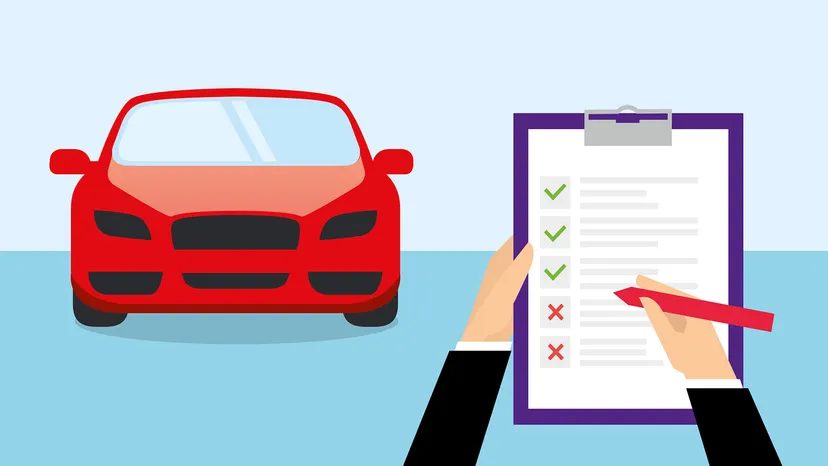
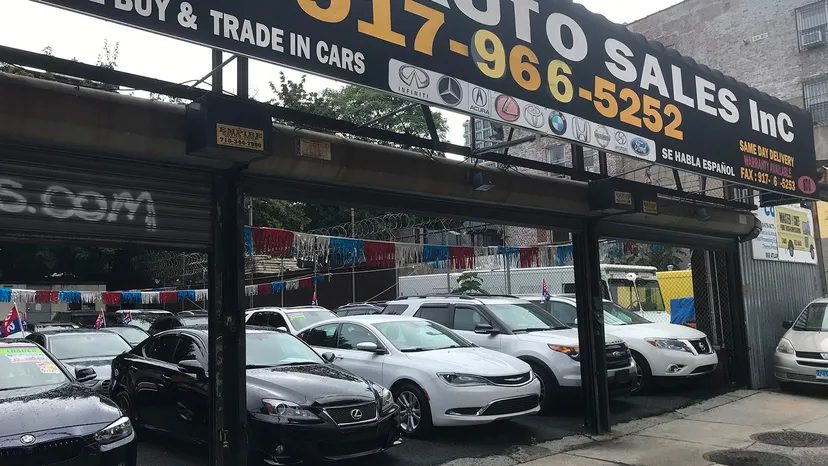
The used car market is currently on fire. With new vehicle production stifled by the ongoing semiconductor shortage, buyers are fighting over preowned metal. The average transaction price for a used car hit $29,011 in November 2021. That is a 39 percent jump from the previous year. You are not just buying a car. You are buying into a panic.
This surge in demand has consequences. When everyone is scrambling for inventory, quality control slips. You might find a deal that looks too good to be true. And in this market, it usually is.
Buying new means the odometer barely moves before you sign papers. Buying used means you are inheriting someone else’s history. That history can be clean. Or it can hide a collision. It can mask neglect. The goal is to filter out the lemons before you hand over cash. Here is how you do it.
How to Use a Vehicle History Report
The first step is getting the facts. Every car has a unique 17-character Vehicle Identification Number (VIN). You can find it on the driver’s side dashboard, visible through the windshield. Use that number to pull a history report.
Services like Carfax and AutoCheck are the industry standards. Reputable dealerships should provide these reports for free. If a dealer won’t hand over the VIN, walk away. That is a massive red flag.
Private sellers are different. You will likely have to pay a small fee to generate your own report. But you should pay it.
“You may want multiple reports from different providers because there can be discrepancies across platforms,” says David Paris, senior market insights manager at J.D. Power.
What does the report actually show? Ideally, it lists registration locations. It details major services. It flags damage from accidents or severe weather. Each entry usually includes a mileage readout. This helps you spot odometer fraud.
But the report is only as good as the data entered into it. Previous owners can hide things. They might fix a dent themselves instead of going to a licensed body shop. They might skip reporting a minor fender-bender to their insurance to keep rates down. If the data is spotty, you cannot rely on the paper trail alone. You need to look closer.
Checking for Hidden Signs of Repair
A car involved in a major accident will often leave clues. Especially if it was repaired by a cheap shop rather than a manufacturer-approved center. You need to look for the “hidden” signs of repair.
Start with the body panels. Look at the bumpers, doors, and hood. Are they level? Are the gaps between panels consistent? If the metal tabs holding these pieces are bent, the car has likely been in a crash.
Try opening and closing the doors. Do they feel stiff? Warpage in the frame can make doors harder to operate. If the mechanism fights you, something under the skin is wrong.
Paint is another tell. Cheap resprays often show up as color mismatches. Look for overspray. This is rough, textured paint that pooled in the wrong places. Paris suggests checking door jams, the hood, the trunk, and the hatch. If you see paint pooling on the inside rims, the car was likely repainted after damage.
Then there is the suspension. Look at the tire tread. Is the wear disproportionate? Excessive wear in the middle or on the edges of the rubber suggests the steering is not tracking straight. This can also be felt during a test drive. If the car coasts slightly left or right while you keep the wheel centered, the alignment is off.
Dry, cracked rubber or exposed steel belts are signs of neglect. Ignore them at your peril.
An out-of-alignment suspension isn’t always a deal-breaker. Normal driving can mess with alignment over time. Potholes do it too. But it can also indicate bent components from a collision. If the seller has an alignment rack, ask them to confirm the specs are within manufacturer tolerances. If they won’t, you are driving blind.
The market isn’t slowing down. Prices aren’t dropping. Which means the pressure to buy quickly is only increasing. How much risk are you willing to take for that lower monthly payment?
The Value of a Professional Pair of Eyes
David Paris doesn’t mince words here: if you want the full story on a used car’s history, you need an expert mechanic. Sure, you can read the VIN reports. You can stare at the paint. But a pro has tools you don’t. They have the scan tools to check vehicle modules for mileage discrepancies or trace past airbag deployments. They have the lifts. And they have years of experience spotting trouble that the untrained eye will miss entirely.
Lifting the car is non-negotiable. It reveals scuffs, dents, corrosion, or missing trim pieces along the undercarriage that you’ll never see from the ground. Most garages charge around $200 for a pre-purchase inspection. It’s not a bargain. But it’s cheap compared to buying a lemon with hidden structural damage.
“Some repairs can be undetectable to the untrained eye; that’s why it’s so important to get an expert’s opinion,” Paris notes.
Sellers usually allow you to take the vehicle away or bring your own mechanic to their home or business. If they refuse? Walk away. That’s a massive red flag.
Accidents Aren’t Automatic Deal-Breakers
Here’s the nuance most buyers miss: having an accident history doesn’t mean you can’t buy the car. It depends on how it was handled. If the damage was reported correctly and fixed to manufacturer specifications, it’s often fine. Unrecorded repairs? That’s where suspicion should spike. Especially if they show up alongside other signs of neglect.
The rule of thumb is simple. Obvious repairs are usually low-quality. High-quality bodywork is nearly invisible. You shouldn’t be looking for perfect. You should be looking for competent.
Paris suggests seeking out a trusted mechanic early. Many incidents are minor. It might just be a scratch down the side that was touched up with a marker. From a valuation standpoint, context is everything. If a deal seems too good to be true, it probably is. The used market is tight. Supply is low. Demand is high. Nice examples are selling for premiums that didn’t exist a few years ago. You need a trained set of eyes on the metal before you sign anything.
Certified Pre-Owned: Buying Convenience
Not everyone wants the hassle. Not everyone has a mechanic friend with a lift. For those folks, corporate Certified Pre-Owned (CPO) programs exist. These cars typically come off three-year leases. They’re relatively new. Mileage is low. The dealer runs a thorough inspection on each one. They bundle extended warranties and service packages.
You pay for that convenience. Expect a higher price tag than the private party or independent dealer next door. But you’re buying peace of mind. And in a market this hot, that might be worth the extra cash.