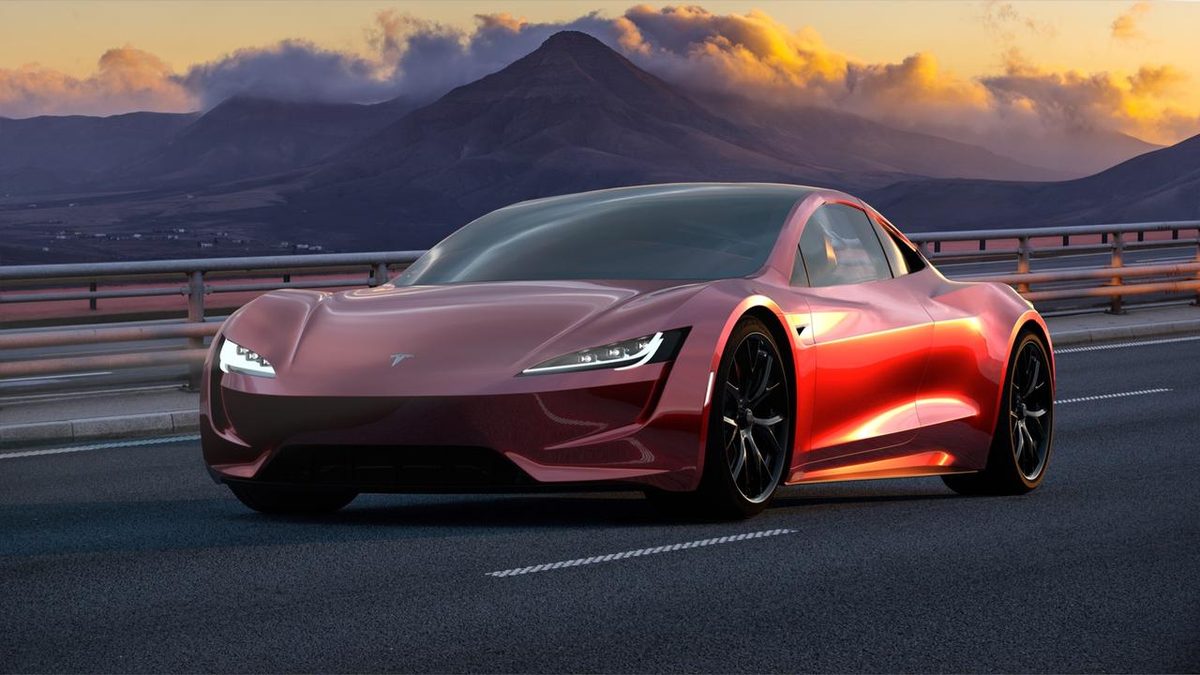
Massive vehicle recalls are nothing new for automakers. You see them every week. Dealing with them is usually a pain. You tow the car to a dealership. You wait for parts. You wait for a mechanic. It is a logistical headache that drives up costs and kills customer satisfaction.
But there is one way to avoid the whole circus. Software updates.
This is how Tesla is handling a massive recall for 362,758 vehicles in the United States. The affected fleet includes the S, X, Y, and Model 3 lines. The fix doesn’t involve a tow truck. It involves a push notification to the infotainment screen. The National Highway Traffic Safety Administration (NHTSA) mandated this move. They didn’t give Tesla a choice. The target is the beta version of the Full Self-Driving (FSD) package.
That software is a big seller. It costs $15,000 upfront for American buyers. It is marketed as the pinnacle of automotive tech. Yet the NHTSA says it behaves dangerously at intersections. The system is failing to read the road correctly.
Here is why the agency stepped in. The beta software has known dysfunctions. These aren’t minor bugs. They are safety hazards. The car might drive straight through a turn. It happens when entering an exit lane where a turn is mandatory. The vehicle ignores the geometry of the road.
It also misinterprets traffic signals. The car might blast through an amber light without slowing down. Or worse, it might treat a stop sign like a suggestion. No stop. Just roll.
Speed management is another weak point. The system doesn’t always anticipate speed limit changes. It ignores the posted limits. Even if the driver manually overrides the speed and goes over the limit, the software doesn’t intervene. It doesn’t brake. It doesn’t cap the velocity. It just keeps going.
The NHTSA considers these behaviors potentially dangerous, leading to a mandatory software update for nearly 363,000 Teslas.
This isn’t just about bad code. It’s about liability. Selling a $15,000 option implies a level of trust. The NHTSA says that trust is misplaced in the current beta state. The car needs to be patched. Drivers will get the update. But the question of safety remains. Can a software patch really fix a fundamental misunderstanding of traffic laws?
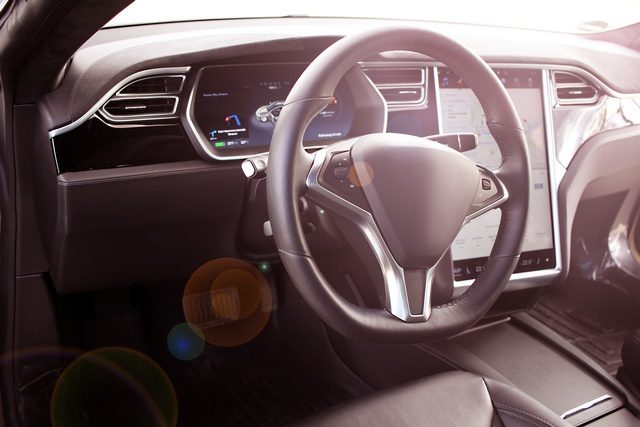
The Reality of Level 2 Automation
Let’s be clear about the technology under the hood. For now, this expensive software suite remains in a testing phase. It is classified as a Level 2 autonomous system, which means it is not designed for true independence. It is, strictly speaking, driver assistance. Tesla has been vocal about this distinction. During a US Justice Department investigation into Autopilot, the company reiterated that the system requires the driver to be ready to intervene at any moment. You are not handing over the wheel.
Safety regulators aren’t buying the hype either. The National Highway Traffic Safety Administration (NHTSA) raised alarms in June. They pointed to the disproportionate number of crashes linked to the autonomous driving mode. The data is stark. In the United States, Full Self-Driving (FSD) software was active in 273 accidents.
There is a massive gap between Elon Musk’s promises of total autonomy and the road reality. This disconnect demands caution. The market didn’t need much prompting to react. Tesla’s stock price plummeted immediately. Shares dropped 5.69% on Thursday following the announcement. Investors are pricing in the risk.
“The system does not make the car autonomous. It makes the driver responsible for everything.”
The NHTSA’s concern highlights a growing tension. Manufacturers push software updates that sound like science fiction. Regulators look at crash reports and see human error masked by technology. When the Tesla stock takes a hit, it’s not just about one bad quarter. It’s a vote of confidence in how safely these cars actually behave on public roads.