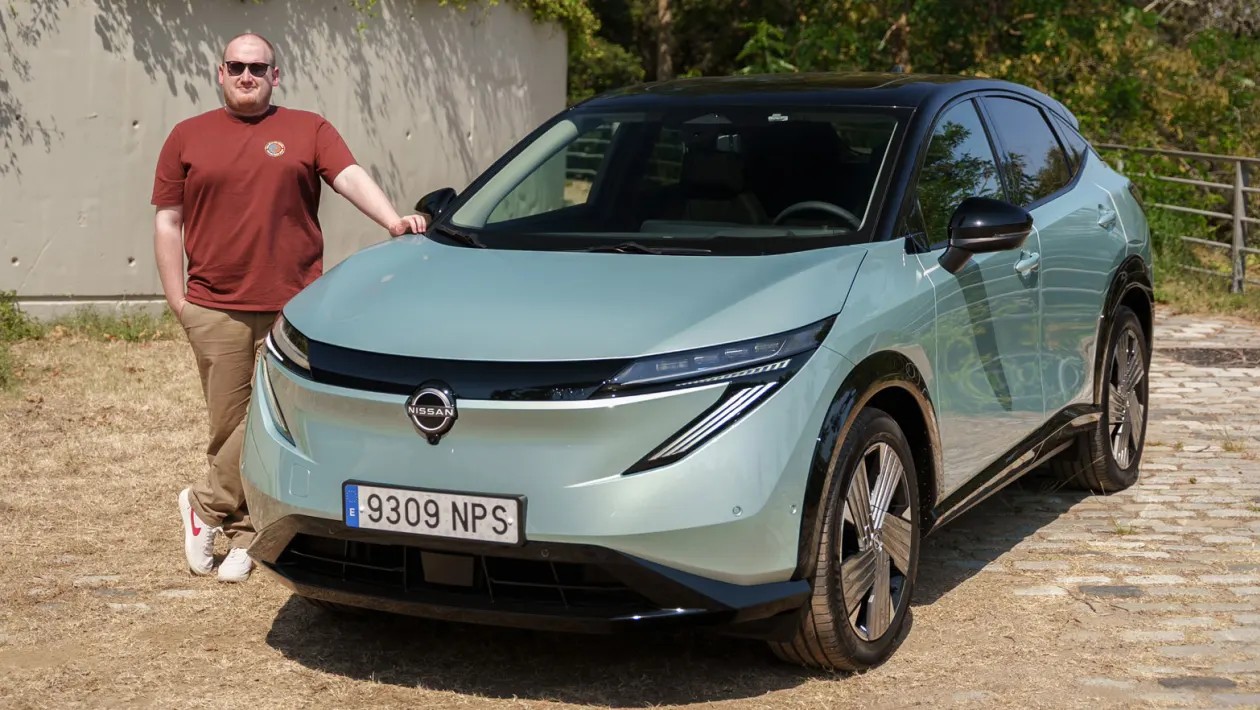
A facelift that fails to impress
The verdict is blunt. The new Nissan Ariya is still a fine family electric SUV. It’s practical enough. It has decent refinement and nice interior tech. But it does absolutely nothing to close the gap with the best.
Rivals now offer more range. They charge faster. They’re more efficient. They’re also just more fun to drive. Meanwhile the new Nissan Leaf—which costs a lot less—nearly matches the Ariya in practicality. That makes this larger, more expensive Nissan look redundant. Honestly? It really does.
The makeover
We loved the Ariya when it launched in 2021. It even won Auto Express Car of the Year. Times have moved on. Other EVs flooded the market. Even Nissan’s own Leaf—now in its third generation—took home the highest honors.
The Ariya was forgotten for a while. So now it gets a mid-life update. ‘Facelift’ is a generous word though. It’s more of a tweak. Rivals like the Tesla Model Y get proper transformations. This just got a light refresh. Inspired by the Leaf, that is.
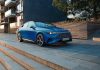
They removed the big black panel that used to block the grille area. The daytime running lights and bumper changed slightly. Fresh 19-inch wheels. A new paint color called Plasma Green. That’s about it for the exterior changes.
Inside things stay largely the same. You’ve still got the dual 12-inch screens. The row of touch controls remains. As does the row of buttons on the console.
Nissan did install the latest infotainment software. This means built-in Google Maps and Assistant. You can download apps from the Google Play store now.
Google built-in is useful but not groundbreaking
These additions are welcome. The system is simple. It works well if not particularly slick compared to rivals. The graphics could be sharper though. Both screens feel a bit dated in their clarity.
Wireless Apple CarPlay and Android Air come standard. Good. There’s a wireless charging pad now too. It’s moved in front of the center console instead of hiding under the armrest. It supports MagSafe which is a nice touch. Vehicle-to-Load charging is available as well. So you can power appliances on a camping trip. Handy.
The cabin isn’t as luxurious as the Smart #1 or as unique as the Cupra Tavascan. But the quality is still there. Our tester had suede on the dash and doors. Squishy surfaces everywhere. Interspersed with hard plastic sure but the attention to detail helps. Wood-effect trim. Copper details. Geometric patterns on the door cards and footwell.
Finding a good seating position is the issue. The seats sit high. You can’t lower them enough. It feels like you are perched atop the vehicle rather than inside it.
Practicality suffers
That sloping roofline again. The Leaf has it and so does the Ariya. It hurts practicality. Legroom for six-foot adults is fine. Headroom is not. Long limbs mean poor thigh support since the seat base sits low. Long trips? Expect discomfort.
Boot space is weak at 466 liters. The Tavascan, Scenic and Enyaq offer roughly 100 liters more. The smaller Leaf actually packs nearly the same amount with 437 liters. There is no under-hood storage in the Ariya either. A disappointment.
Nissan claims chassis tweaks improve ride comfort. We didn’t see evidence of this on smooth Spanish roads in Barcelona. It felt firm. Bumpy around town. It never really settled on the motorway. The car feels big. Steering is light which helps with parking but gives zero feedback. It drives smoothly enough but offers no entertainment value. Just transportation.
Two other irritants. The e-Pedal Step feature does not give true one-pedal driving. Unlike the Ioniq 5. The car just creeps. Also the cabin silence gets ruined by aggressive ADAS beeps. Speed limit warnings. Fatigue monitoring alerts. They are annoying.
Efficiency leaves something to be desired. Our testing yielded an unremarkable 30 miles per gallon. That is roughly 261 miles range from the big 87kWh battery in the long-range model. Nissan claims 329 miles in ideal conditions. Rivals do better.
Value is questionable
The Leaf goes 375 miles. It starts at just over £32000. The Ariya costs about £11000 more for less range. The Leaf charges quicker too. The Ariya maxes out at 130kW charging speed. A 20-to-80% top-up takes around 40 minutes. Slow by 2025 standards.
Prices for the new model start at £37000. That is the Engage+ trim. It qualifies for the EV Grant. You get a 63kWh电池 good for 250 miles. Heated front seats. ProPilot tech. The screens we discussed earlier.
The top-tier Advance model costs £43425. It does not get the Grant subsidy. It adds a head-up display. Bose sound system. Digital rear-view mirror. Heated steering wheel. A 360-camera system.
It arrives later this summer. Is it worth waiting for? When a smaller car offers more for significantly less?
The question lingers.