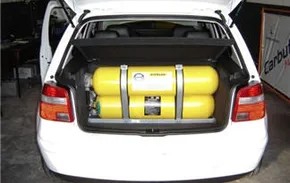
Natural gas is no longer just an industrial curiosity. You see it powering municipal buses and commercial fleets with increasing frequency. But there is a physical catch. The fuel only works if you pack it tight. Compressing the gas increases energy density per volume. It makes storage feasible. It makes the vehicle range practical. Without compression, natural gas vehicles simply do not work at scale.
The question remains: how exactly is natural gas compressed to these high pressures?
The Diaphragm Compressor Method
Industry standards point to one dominant solution. The diaphragm compressor. It is not the only way to compress gas. Other methods exist. But for natural gas, this design is the go-to.
The machine relies on a series of chambers. Each chamber houses a specially designed membrane. The setup is sequential. Gas enters the first chamber. The membrane constricts. The volume shrinks. Pressure rises.
Once that first chamber is full, the process repeats. The gas moves to the next chamber. That chamber is smaller. The membrane squeezes again. The gas moves down the line. Step by step. Chamber by chamber. Until the desired pressure is reached.
Storage Under Pressure
The process does not end at the compressor. Once compressed, the gas must be held. It requires robust tanks. These tanks maintain the pressure. They keep the fuel ready for injection. Without them, the energy is lost. The system fails.
The diaphragm compressor is the most common method used to compress natural gas for vehicles.
This method prioritizes reliability. The membrane separates the gas from the mechanical drive. It reduces contamination. It extends maintenance intervals. It is why you see these compressors at fueling stations. They work. They last. They keep the fleet moving.